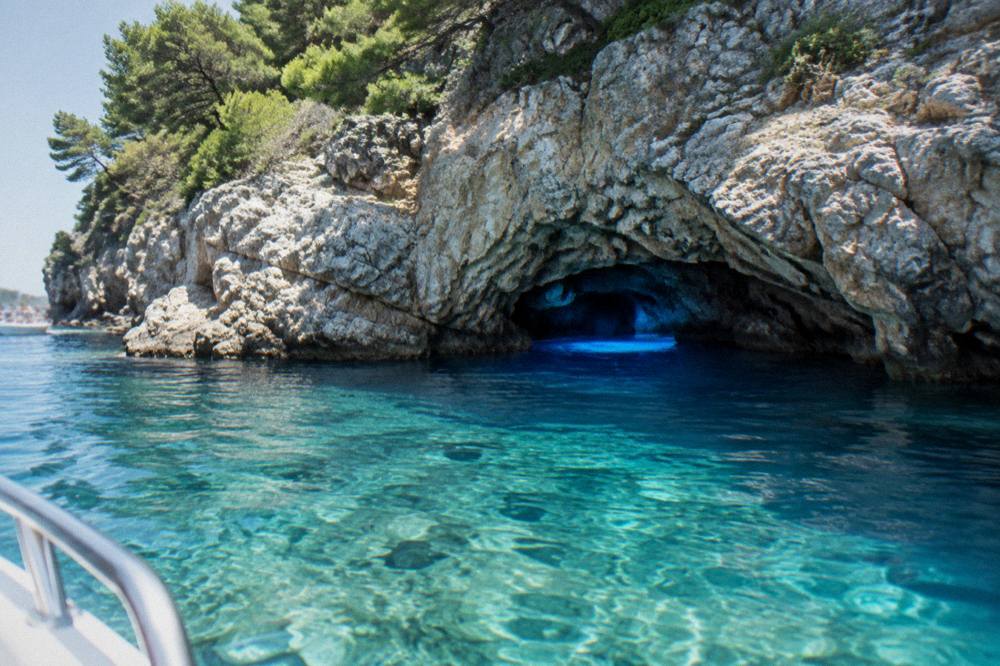
Is There A Blue Cave In Split?
No, the Blue Cave is not in Split itself: it sits in a cove on Biševo island near Vis, and this guide explains how to reach it from Split, what entry costs and how it differs from the Blue Lagoon.
Split is a coastal city in central Dalmatia, on the Adriatic Sea, and its fame rests on Diocletian's Palace and the ferry port that connects the mainland with Brač, Šolta, Hvar and Vis. Among the day trips that leave from that port, one name causes more confusion than any other: the Blue Cave. Search results, tour listings and forum threads often fold it into Split itself, which leads travellers to expect a glowing sea cave inside the city. This page answers the question directly, using what the operator listings, the park sources and the port's own route data say.
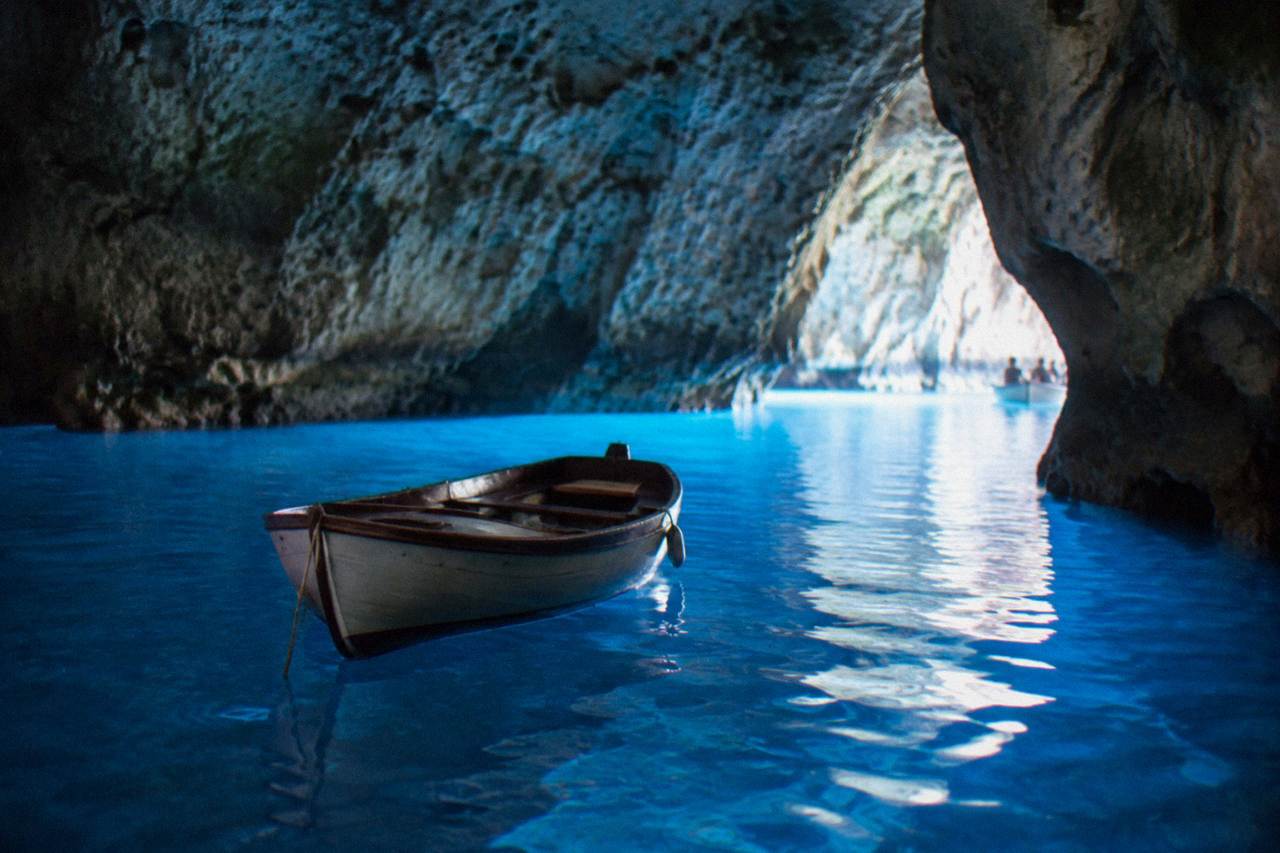
Is There A Blue Cave In Split?
No, there is no Blue Cave inside the city of Split. The Blue Cave, a sea cave on Biševo island near Vis, sits offshore southwest of Split and is reached by boat as a day trip, not on foot or by local bus from the Old Town. Split's own sights are Diocletian's Palace, the Riva and Marjan, while the Blue Cave belongs to the island side of the region.
The confusion usually starts with geography compressed onto a map. Biševo is a small island just off Vis, and Vis itself lies about 140 minutes from Split by ferry, per the route data the ferry operator publishes. A speedboat covers the same stretch of sea far faster, which is why nearly every Blue Cave visit from Split happens as an organised boat trip rather than as an independent ferry-and-transfer slog. The full island picture is in the Blue Cave and Vis day trip guide.
The cave works the way the listings describe it: sunlight enters through an underwater opening and reflects off the white sandy seabed, filling the water with the blue glow the site is named for. Entry is by small transfer boat from Biševo's cove, and the effect depends on the sun being high enough, which is why morning departures dominate the schedule. The listing for the featured speedboat trip describes exactly this sequence: a morning run from Split, the cave entry by transfer boat, then island stops on the return leg.
One planning note that the sources make plain: the sea state decides the day. When wind or swell closes the cave entrance, boats do not run, and operators rebook or refund. Build a spare day into any Split itinerary that includes the Blue Cave, especially early or late in the season.
Where Is The Blue Cave And How Do You Reach It From Split?
The Blue Cave sits in Balun cove on the eastern side of Biševo, a small island off Vis, roughly 140 minutes from Split by car ferry to Vis plus a local boat transfer, or a single morning by speedboat on an organised trip. Jadrolinija's route pages show the Split to Vis ferry line, and the catamaran network also serves Vis from the same port.
Split's port, bus station and railway station sit together on Obala kneza Domagoja, 500 to 600 m from the palace, so every island connection in the region starts within a short walk of the Old Town. The table below shows what the operator route pages give for the main island lines from Split.
For a second way to check the island timetables, book a Split ferry search here.
| Route from Split | Type | Typical crossing |
|---|---|---|
| Split to Stari Grad, Hvar (line 635) | Car ferry | about 120 minutes |
| Split to Supetar, Brač (line 631) | Car ferry | about 50 minutes |
| Split to Rogač, Šolta (line 636) | Car ferry | about 60 minutes |
| Split to Vis | Car ferry | about 140 minutes |
| Split to Hvar town or Jelsa | Catamaran | foot passengers only |
Note the Hvar distinction, because it trips up plans constantly: Hvar town itself is reached by catamaran, while the car ferry lands at Stari Grad on the same island. For the Blue Cave, the independent route involves the Vis ferry and then a boat from Vis or Komiža to Biševo, which only makes sense with an overnight on Vis. A same-day visit from Split by public ferry is not realistic.
That is the practical reason organised speedboat trips exist and why they leave early. The featured trip runs from Split with a small group, calls at the Blue Cave in the morning window when the light is right, and pairs it with Hvar and other island stops. Its operator's live listing carries the current price, dates and availability: Check availability. The Blue Cave and Vis guide covers the independent, overnight-on-Vis version of the trip in detail.
What Does The Blue Cave Cost To Enter, And When Is It Open?
Entry to the Blue Cave is reported at about 24 EUR per adult in high season, from 20 June to 10 September, and about 18 EUR in the shoulder season, with children aged 6 to 12 paying half, paid in cash at the entrance on Biševo. These figures come from secondary sources, not an official price page, so treat them as approximate and bring cash.
The fee is paid on the island, on top of whatever the boat trip to get there costs, and the listing for each trip states whether entry is included or paid separately, so check that line before booking. The cash detail matters: Biševo is a tiny island with minimal infrastructure, and the entrance does not run on card terminals as a rule.
| Blue Cave entry fee | Period | Adult | Child 6 to 12 |
|---|---|---|---|
| High season | 20 June to 10 September | about 24 EUR | about 12 EUR |
| Shoulder season | April to mid June, mid September to October | about 18 EUR | about 9 EUR |
| Under 6 | all season | free | free |
Timing changes the experience more than money does. The blue glow depends on sunlight hitting the underwater opening, so the middle of the day in the middle of summer gives the strongest effect, and morning departures from Split are timed to match. Weather remains the gatekeeper: entries stop when the swell at the cave mouth is too high, whatever the calendar says. The best month to visit Split question is worth reading alongside this, because it weighs sea temperature, crowds and price against exactly this kind of boat-dependent day trip.
Can You Swim Inside The Blue Cave?
No, swimming inside the Blue Cave is not part of the visit. Entry is by transfer boat only, with visitors remaining in the boat as it moves through the cave, and no operator listing describes swim stops inside the cave itself. Swim stops on these trips happen elsewhere, at bays and lagoons around the islands on the return route to Split.
The listings for the Blue Cave and island trips make the distinction easy to see: the cave is a short boat passage, while swimming appears at separate stops such as the Pakleni islands or bays near Vis and Šolta. If swimming is the priority rather than the cave, the Blue Lagoon trips are built around it instead, and the Blue Lagoon and Šolta guide covers those waters directly.
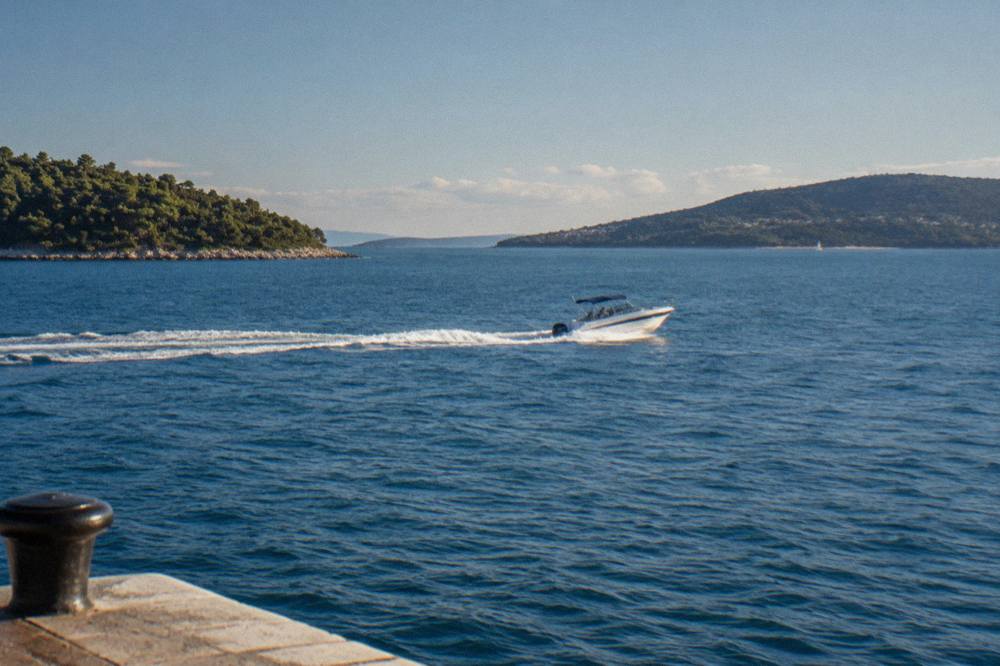
Is The Blue Cave The Same As The Blue Lagoon Near Split?
No, the Blue Cave and the Blue Lagoon are two different places. The Blue Cave is a sea cave on Biševo near Vis with a paid entry by boat, while the Blue Lagoon is a shallow swimming bay between Šolta and its islets, reached in well under an hour from Split and free to swim in, with no cave and no entrance fee.
Because both names contain the word blue, and because many boat trips from Split sell one or the other, travellers book the wrong product. The cave trip is the long day: Biševo, often Hvar, and a full circuit of islands. The lagoon trip is the short, swim-centred day. The full comparison, including what each one actually looks like in the water, is in is the Blue Lagoon the same as the Blue Cave.
Which Blue Cave Trip From Split Should You Book?
Book the trip that matches your day length and sea legs, not the cheapest headline. Speedboat small-group trips reach the Blue Cave in the best morning light and add Hvar and island swims, while slower full-boat cruises suit calmer stomachs and tighter budgets, and every listing states whether the Biševo entry fee is included in the ticket price or paid in cash on site.
Read three lines on any listing before deciding: the group size, whether the entry fee is included, and the cancellation terms for rough sea days. The featured small-group speedboat trip pairs the Blue Cave with Hvar and several islands in one loop from Split, and its listing carries the live price and dates through the token below.
For a fuller picture of how the city and its port fit together, the Split Croatia Travel Guide covers the palace, the beaches and every ferry line from the same waterfront.
Common Questions About The Blue Cave From Split
Is there a Blue Cave in Split?
No. The Blue Cave is a sea cave on Biševo island near Vis, offshore from Split, and it is visited by boat as a day trip from Split's port rather than inside the city itself.
How long does it take to get from Split to the Blue Cave?
The Vis ferry from Split takes about 140 minutes, and the independent route needs an overnight on Vis plus a local boat to Biševo. Organised speedboat trips from Split reach the cave in the morning and return the same day.
How much does the Blue Cave cost to enter?
Entry is reported at about 24 EUR per adult in high season, from 20 June to 10 September, and about 18 EUR in the shoulder season, with children aged 6 to 12 paying half. Payment is in cash on Biševo, and the figures are approximate, so confirm before you travel.
Can you swim in the Blue Cave?
No. The visit is by transfer boat with passengers staying on board. Swim stops on Blue Cave trips happen at other bays and islands on the route back to Split.
What happens if the sea is too rough for the Blue Cave?
Boats do not enter when swell closes the cave mouth, and operators rebook or refund those departures. Keep a spare day in your Split plans if the Blue Cave is a priority.
Is the Blue Cave the same as the Blue Lagoon?
No. The Blue Cave is a paid-entry sea cave on Biševo near Vis, while the Blue Lagoon is a shallow swimming bay near Šolta with no cave and no entry fee, reached far faster from Split.