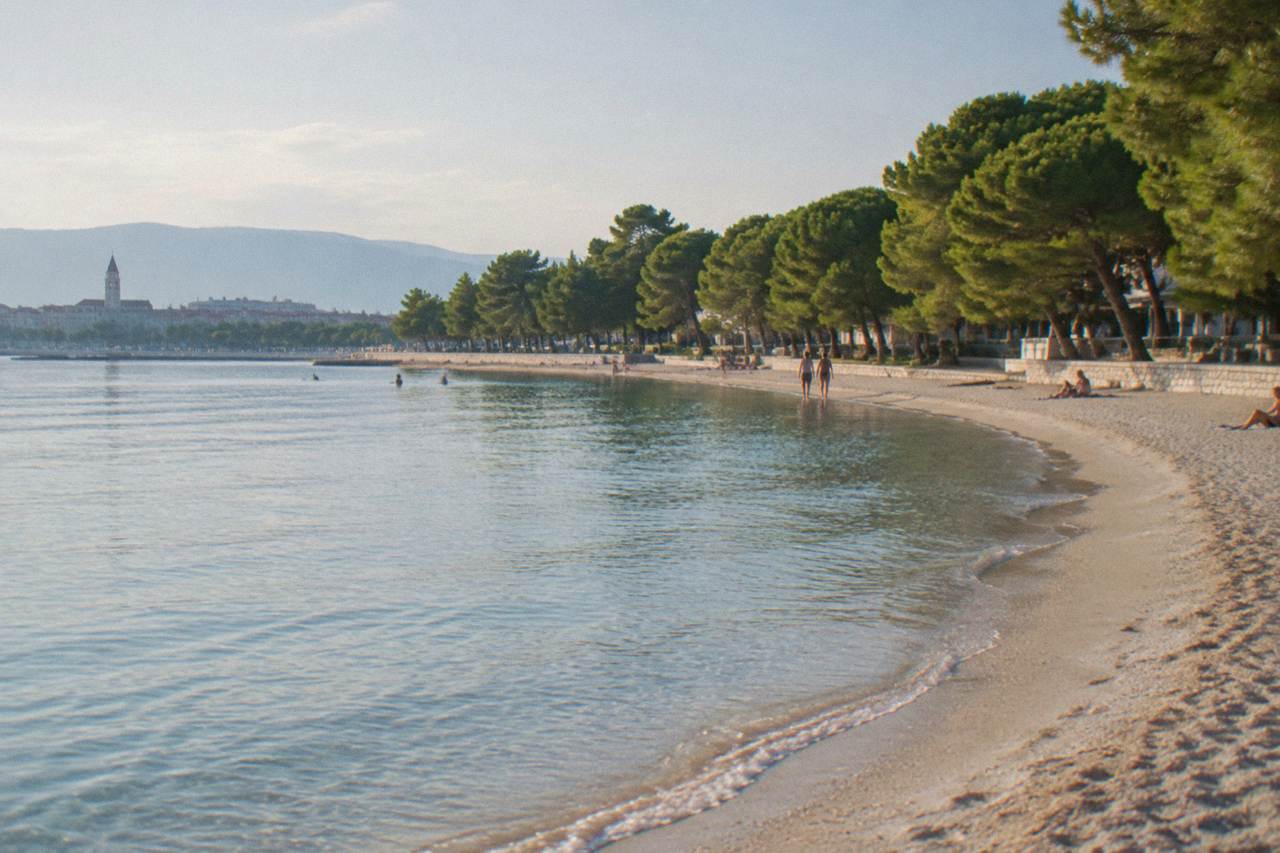
Are Beaches Better In Split Or Dubrovnik?
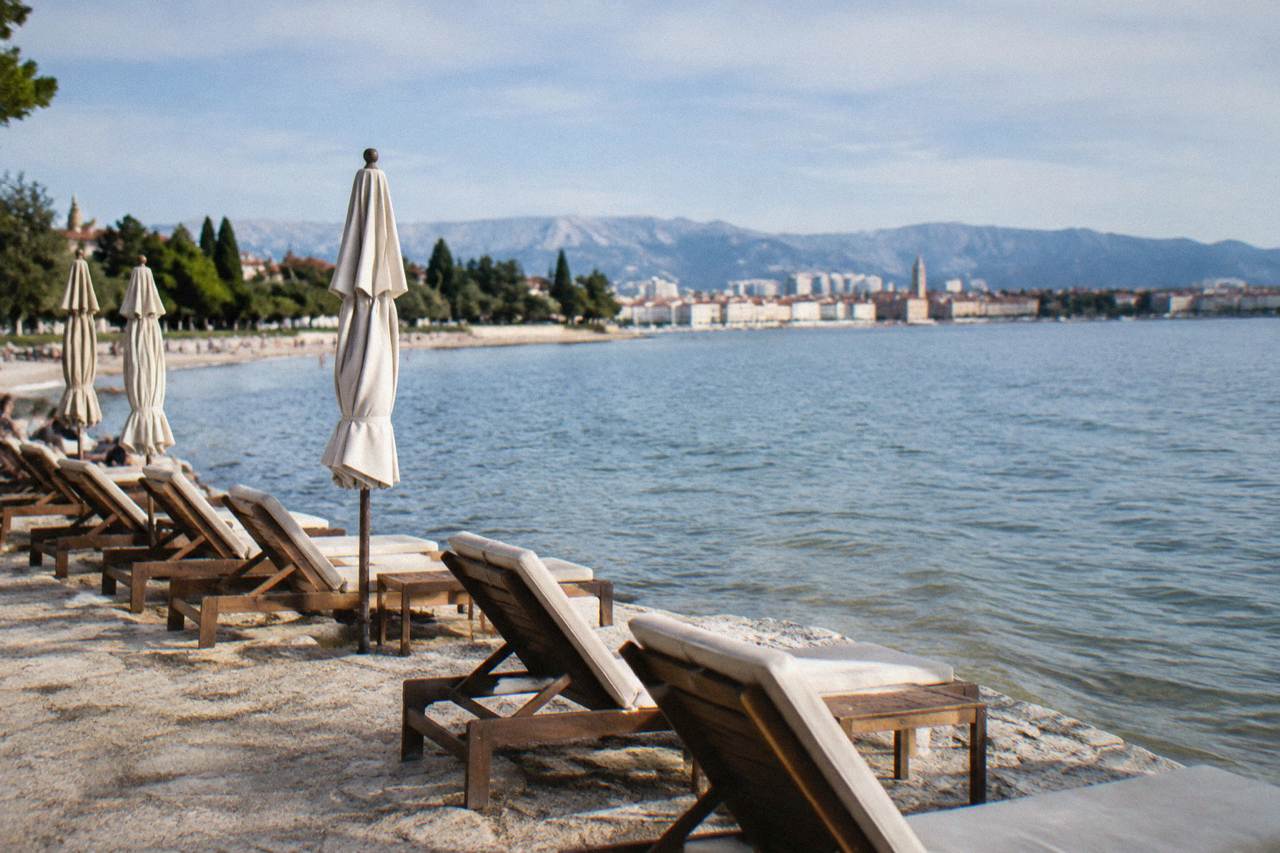
Split's city beaches are free and sit inside the city itself, while Dubrovnik pairs its walled Old Town with a three-hour-plus transfer from Split. Here is how the two compare.
Practical questions about Split, answered plainly: which islands you can reach from the ferry port, how far the airport sits from the old town, and how to pick between Krka, Plitvice and the Blue Cave when time is short.
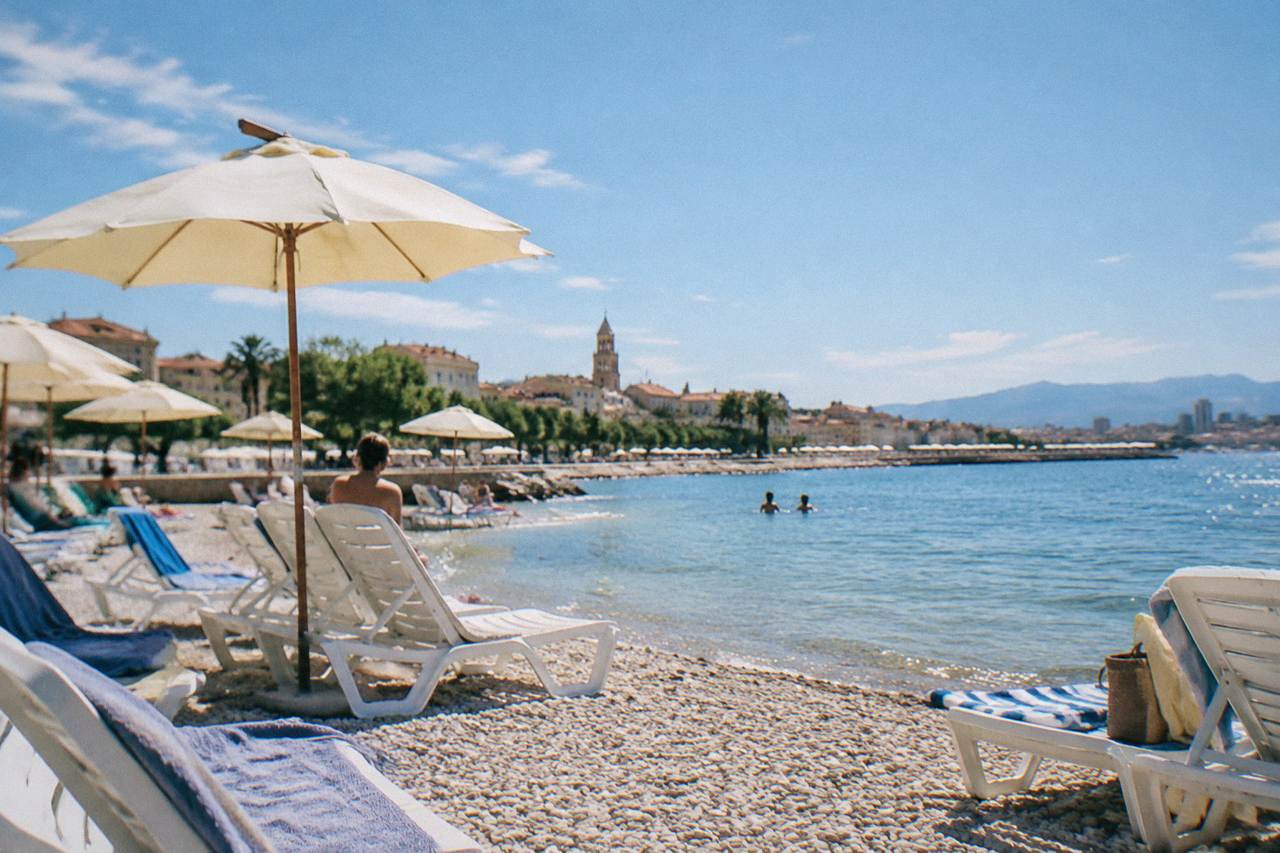
Split's city beaches are free and sit inside the city itself, while Dubrovnik pairs its walled Old Town with a three-hour-plus transfer from Split. Here is how the two compare.
Drinking on the street in Split is banned in the historic core, with a 300 EUR fine on the city's published rules. Here is where the ban applies, where drinking is legal, and how the summer shop ban works.
No train runs from Split to Dubrovnik. Here is what the timetables and road distances actually show, and the coach, car and tour options that connect the two cities.
Yes, a seasonal nonstop now links Newark to Split. Here is the route's schedule, one-stop options, entry rules for US citizens and the transfer from the airport into the city.
October sun in Split is real but cooler: the DHMZ Split Marjan station table gives a 17.2 C mean, and sea and beach conditions change through the month. Here is what to expect.
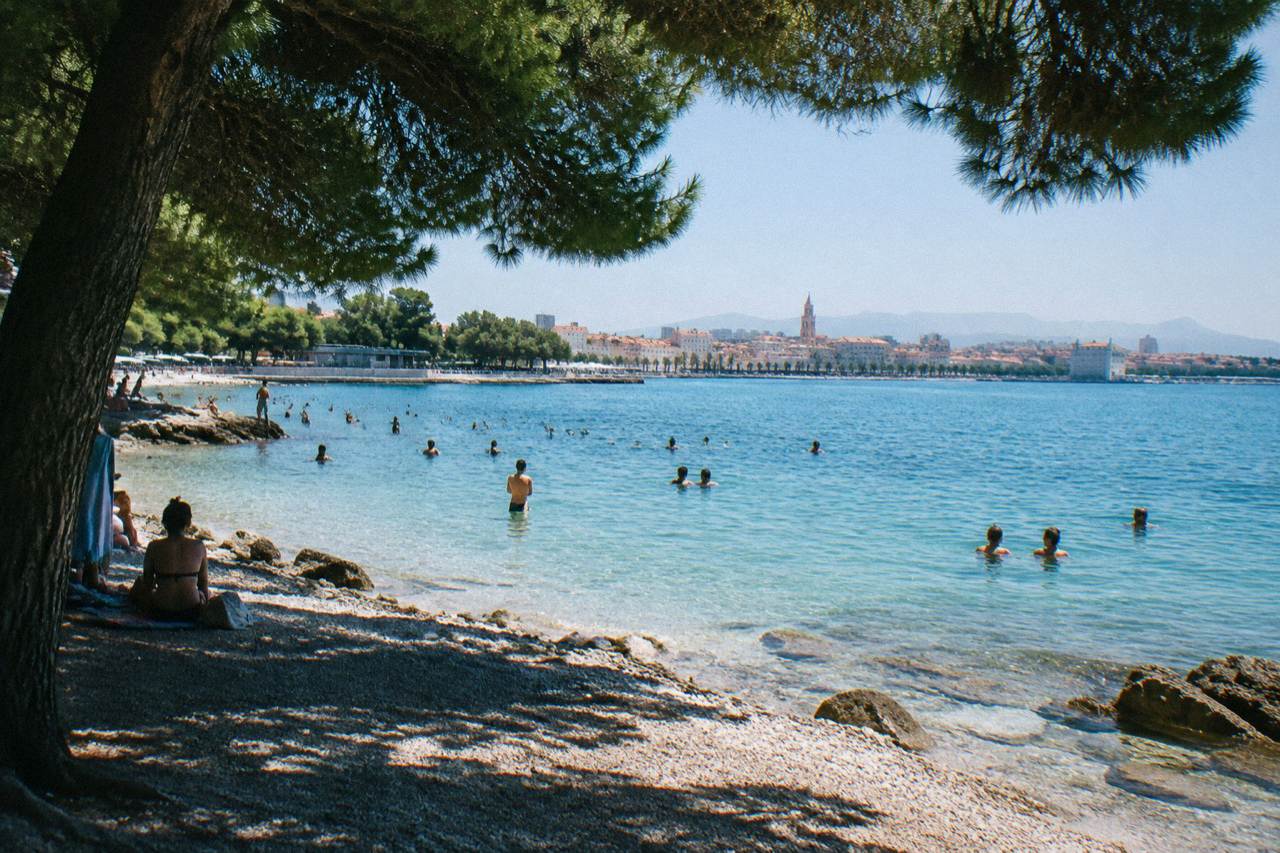
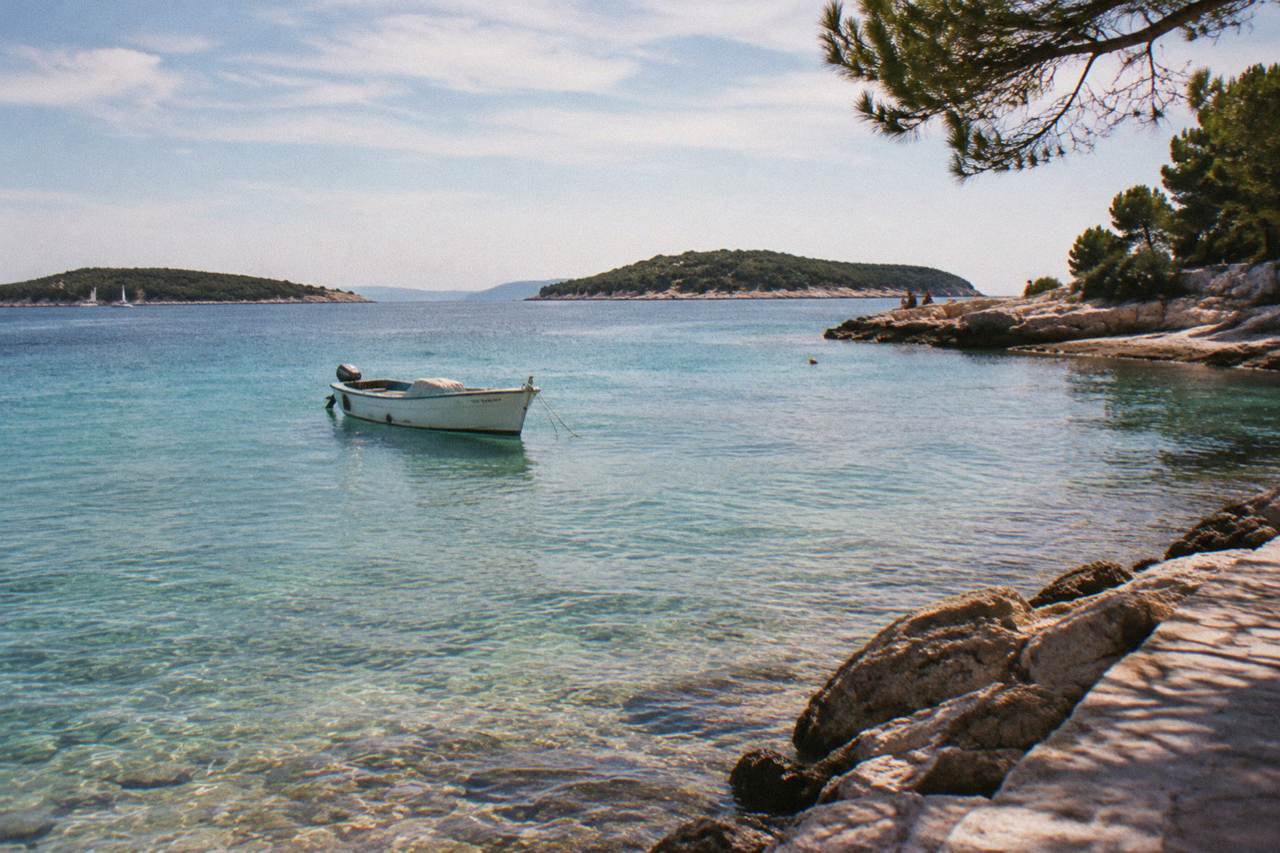
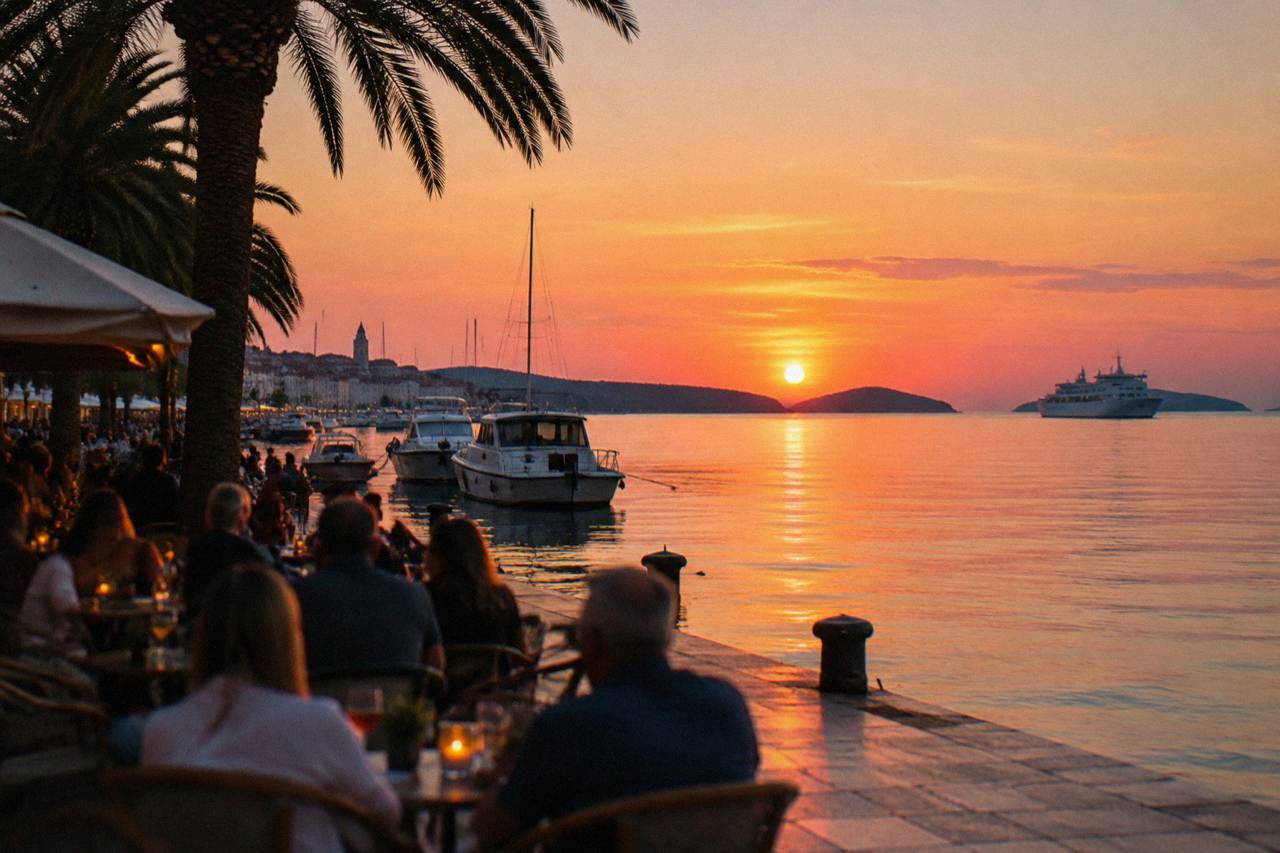
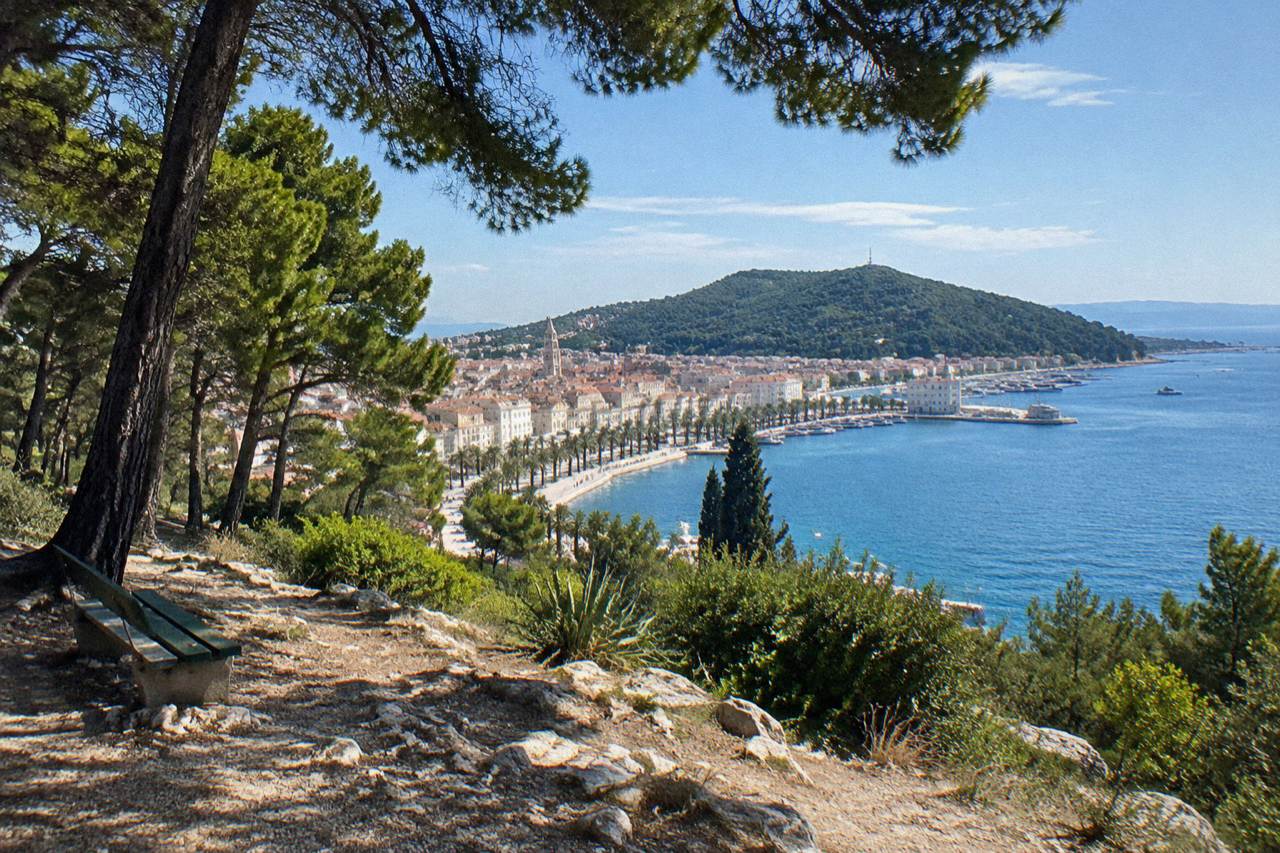
Yes, you can swim in the sea in Split: free city beaches sit minutes from Diocletian's Palace, and the Adriatic season runs roughly from June into October. Here is what the sources say.
Visa rules for visiting Split and Croatia: who needs a visa, how Schengen entry works at Split Airport since 2023, EES biometric checks and the ETIAS start date.
English in Split: where it works, where it thins out, menus, museums, ferries and day trips, plus a few Croatian words that help.
Whether you need to pre-book Krka National Park from Split, what the 2026 ticket prices are by season, and when the gates and car parks actually fill up.
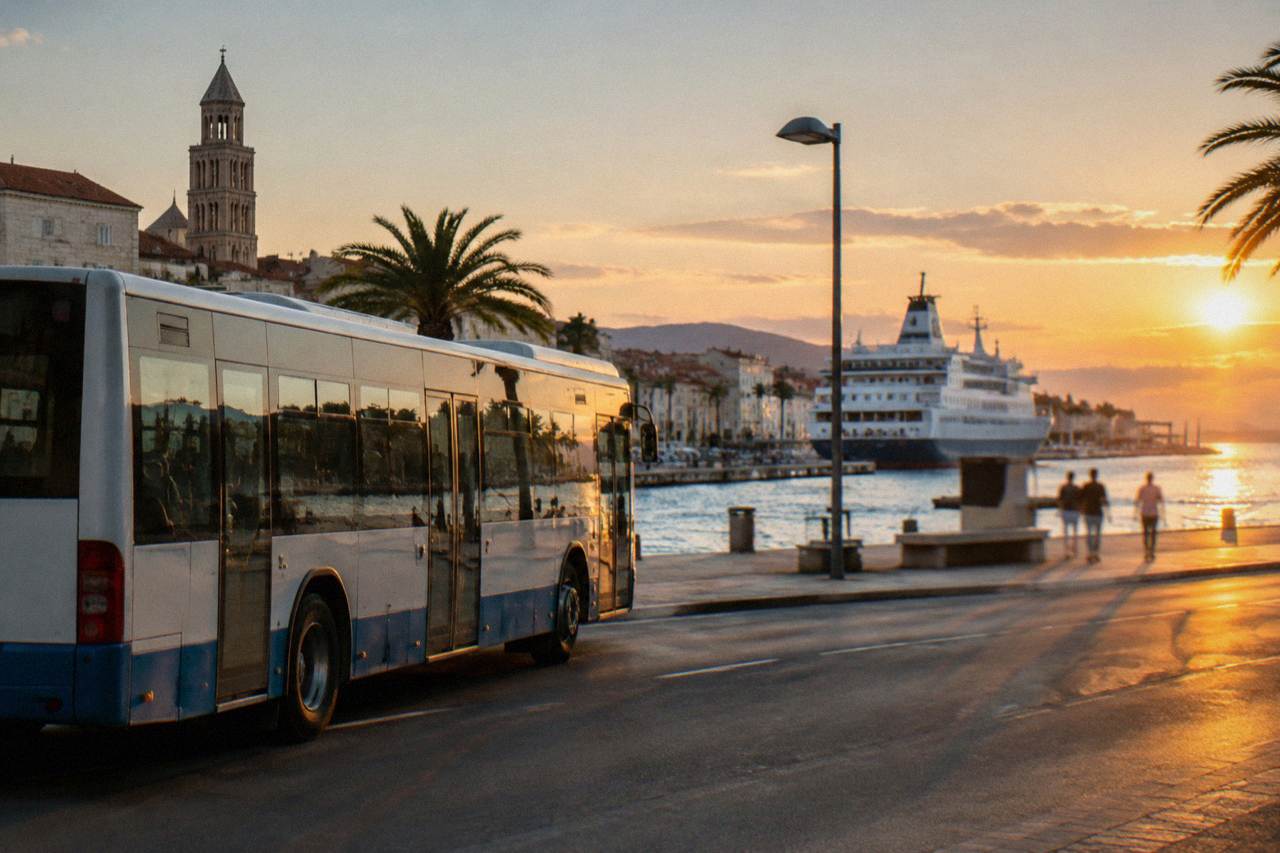
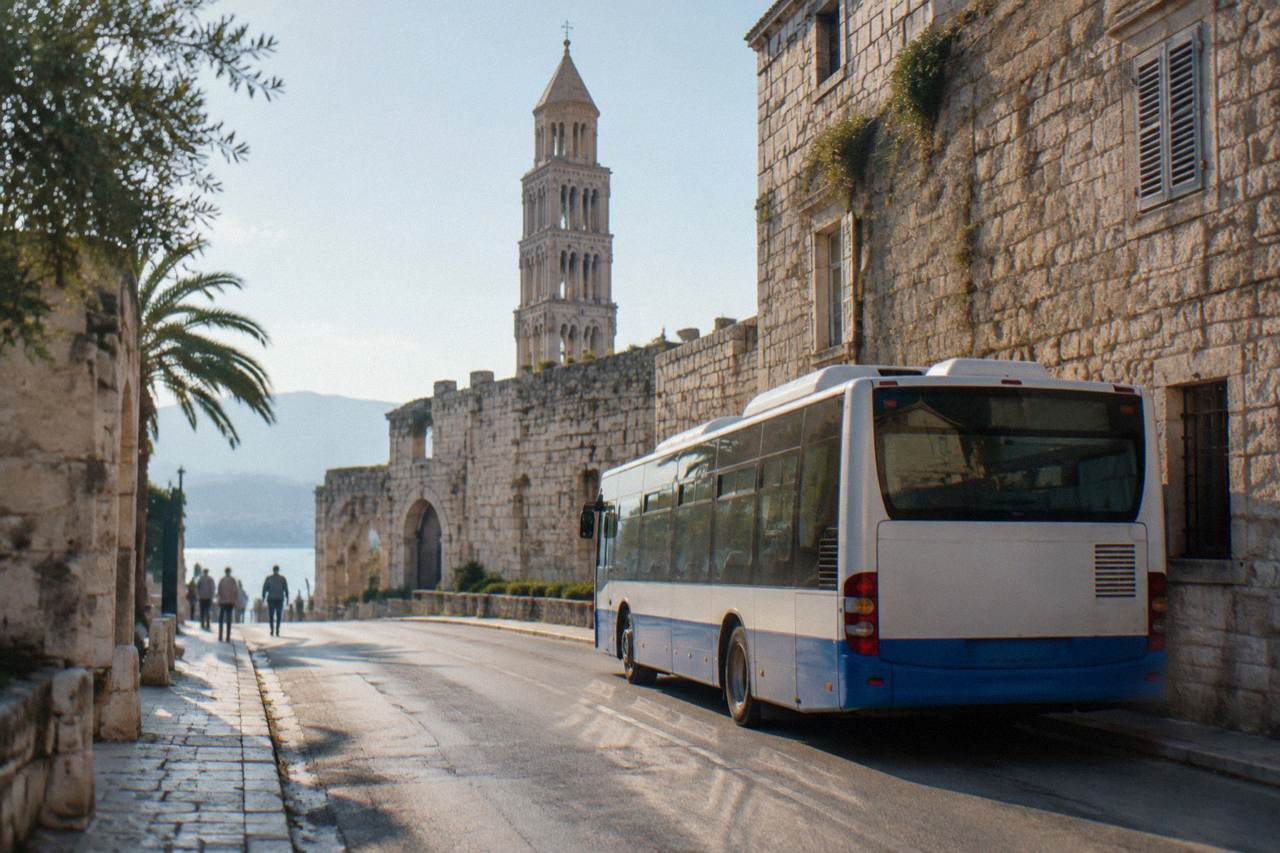
How to pay for buses in Split: tickets from the driver and kiosks, the Platanus airport shuttle, Promet lines 37 and 38, and whether you need a bus at all.
How many days do you need for Split? A practical answer built around Diocletian's Palace, Marjan, the beaches and the day trips, with verified ticket and travel figures.
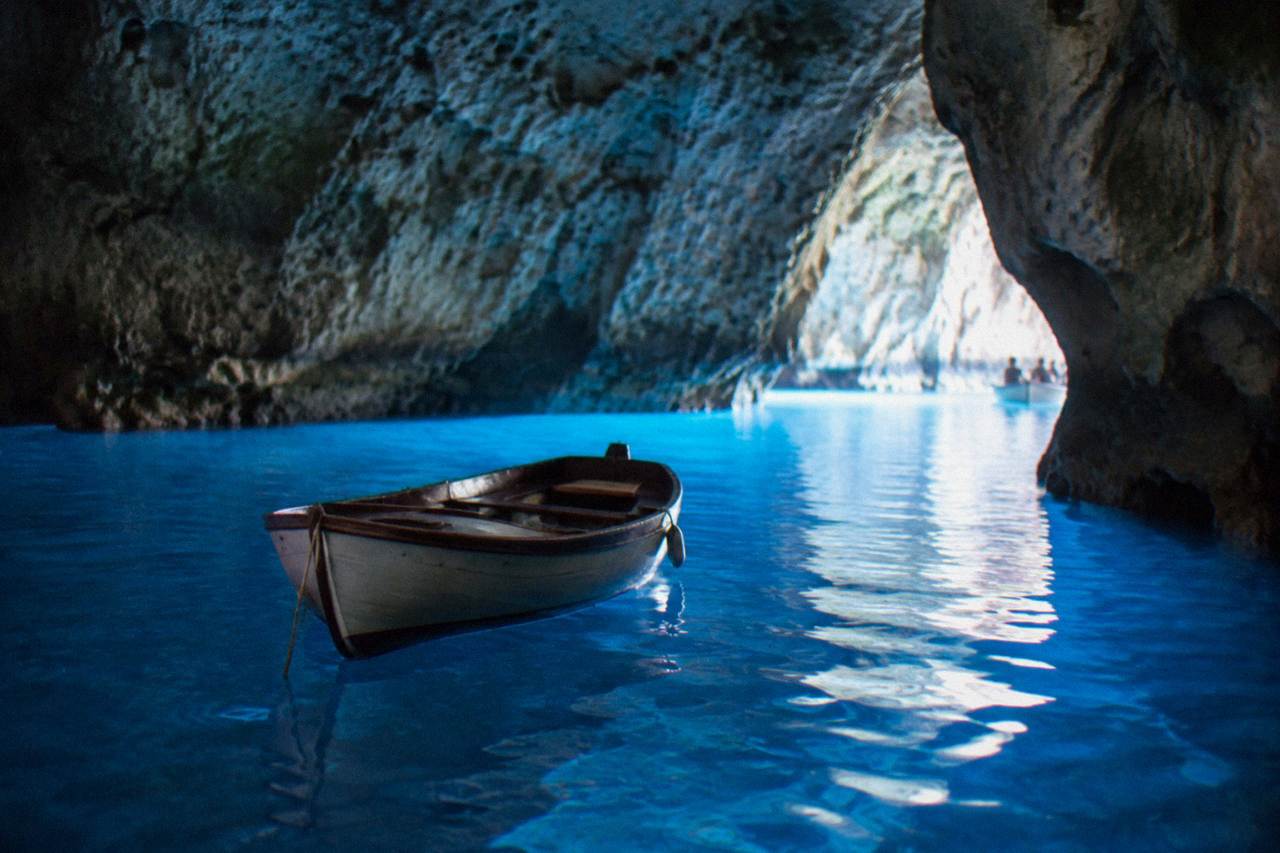
No, the Blue Lagoon and the Blue Cave are two different places on two different islands reached on different boat trips from Split. Here is what separates them.
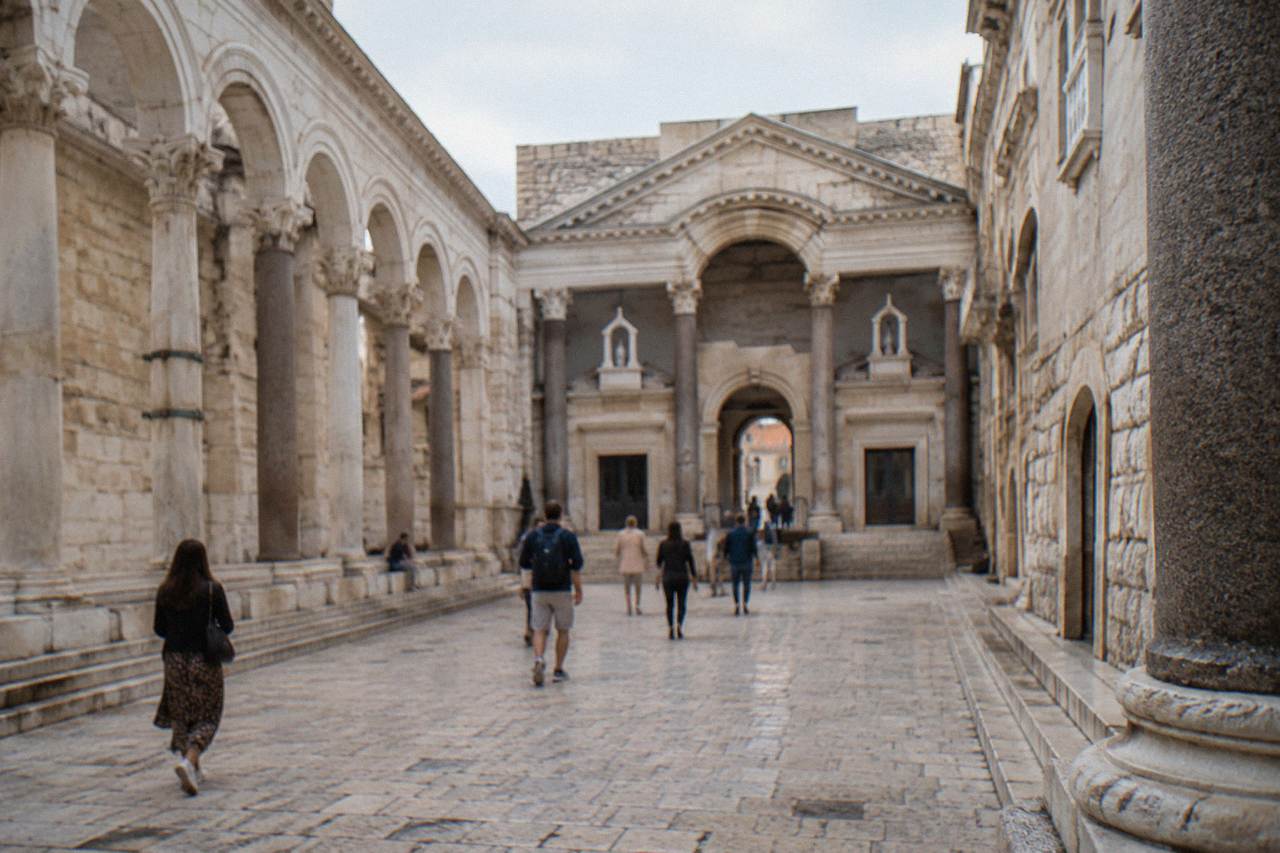
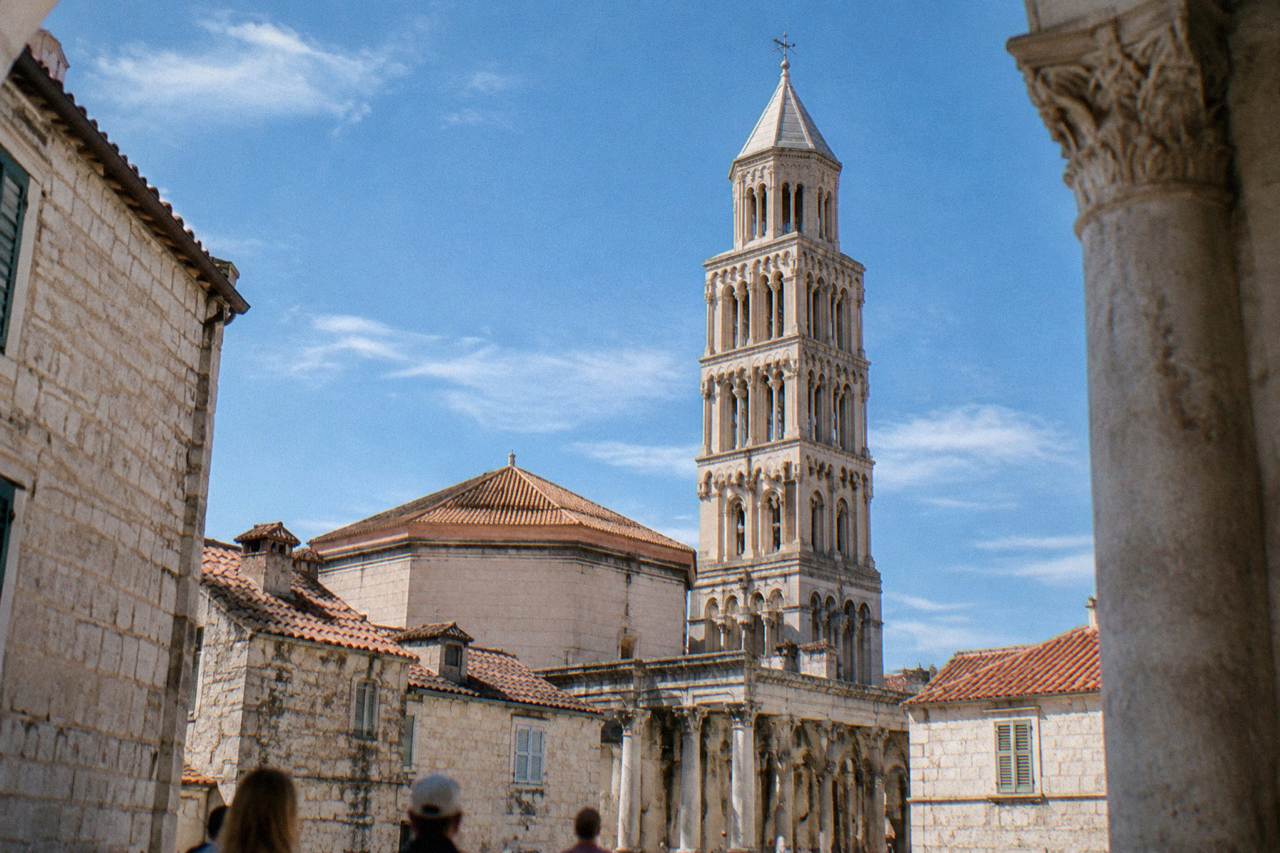
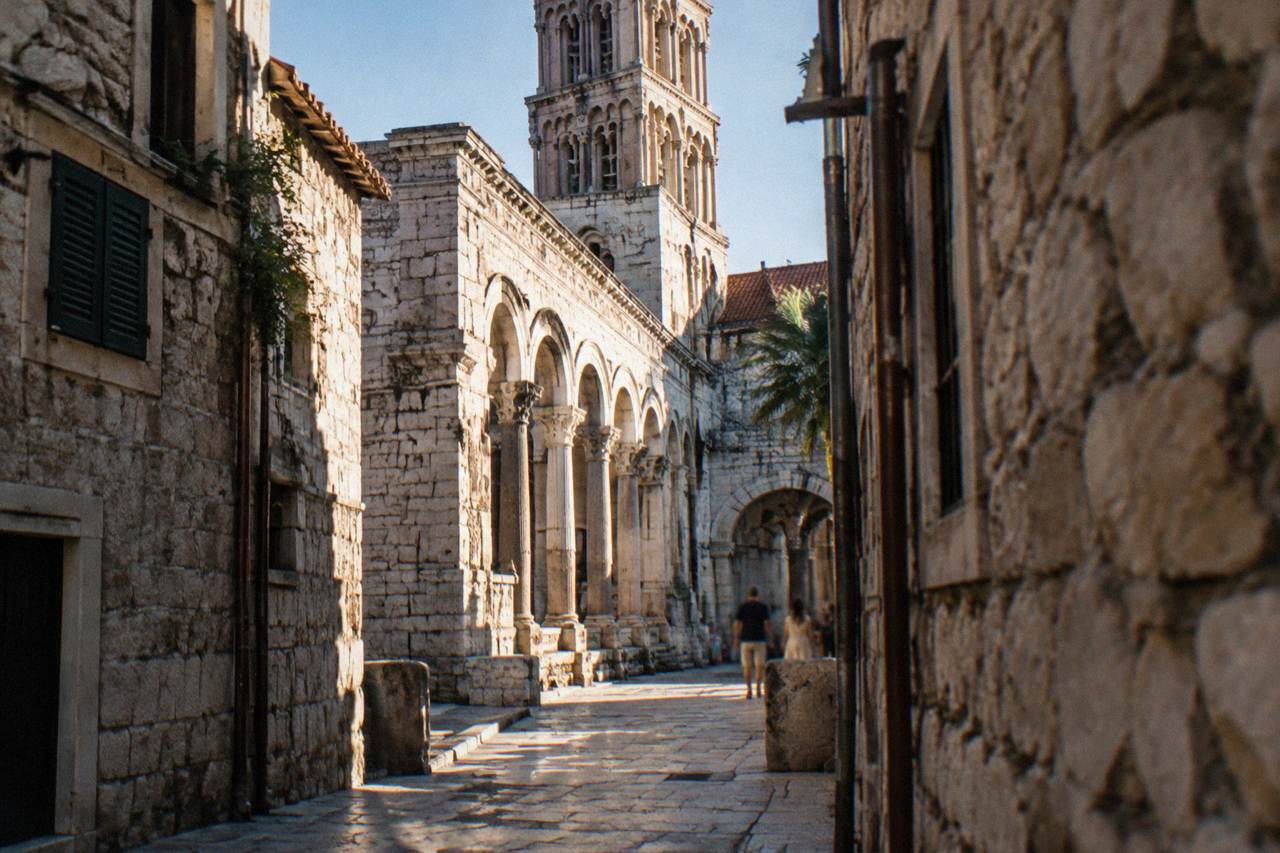
Yes, you can walk into Diocletian's Palace in Split for free. This guide explains which parts cost nothing and which parts need a ticket, with current prices.
A comparison of Split and Hvar from the sources: palace against harbour town, ferries, beaches, prices and which suits a short Dalmatian trip.
Hvar's reputation as a party island is changing, and this desk report looks at what the sources actually say about Split's offshore neighbour today.
Split Airport sits 20 km from the city with cheap shuttle links, while Dubrovnik anchors the far south of Dalmatia. Here is how the two arrival points compare for islands, day trips and travel between them.
A clear answer to whether eating out in Split is expensive, with verified fixed costs, season effects and the checks to make before ordering in the old town.
Safety, entry rules, local fines and practical advice for American travellers visiting Split and Dalmatia, with current figures.
A straight answer on whether a hire car makes sense for a Split trip: what the city itself demands, which day trips need wheels, and what the driving times and ferry routes say.
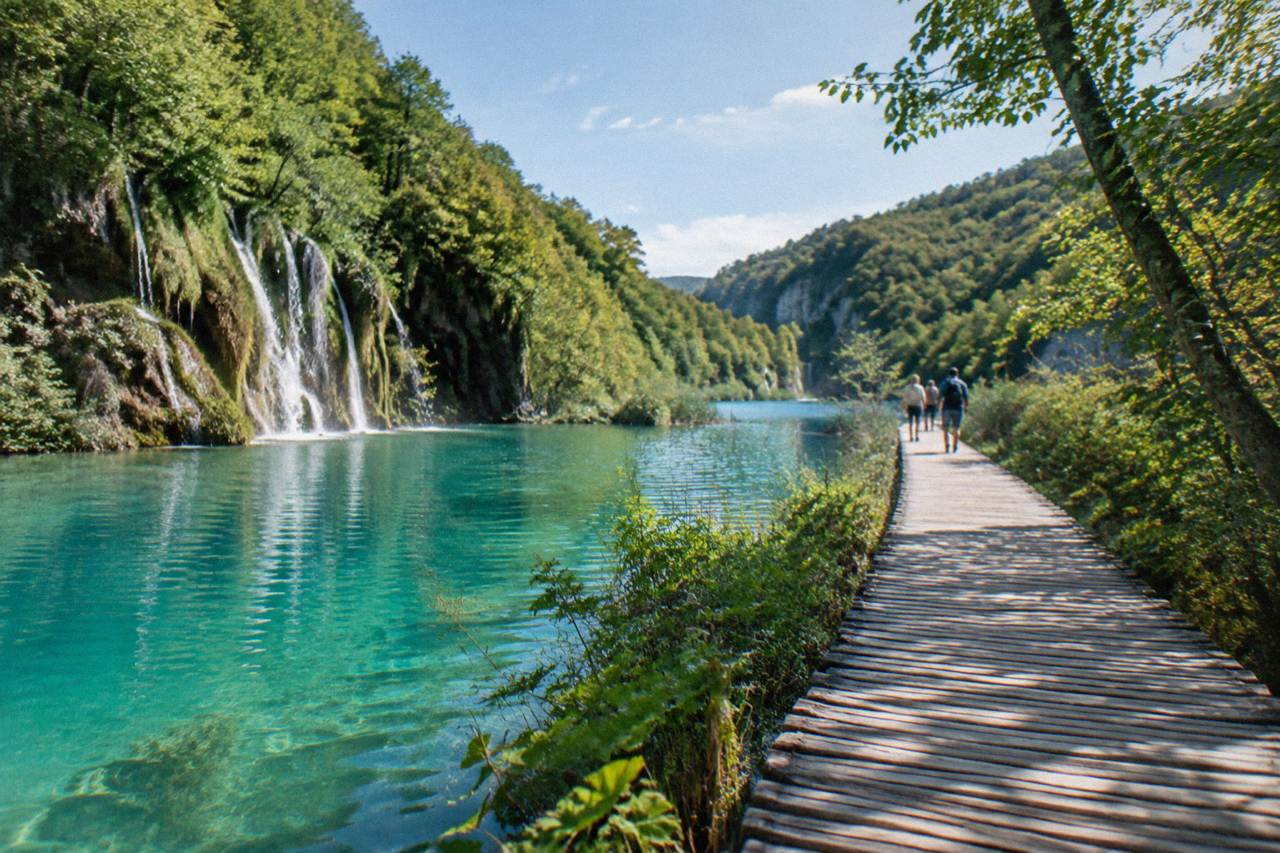
Plitvice Lakes is closer to Zagreb than to Split, but a full day trip from Split still works. Distances, driving times, ticket prices and how to plan it.
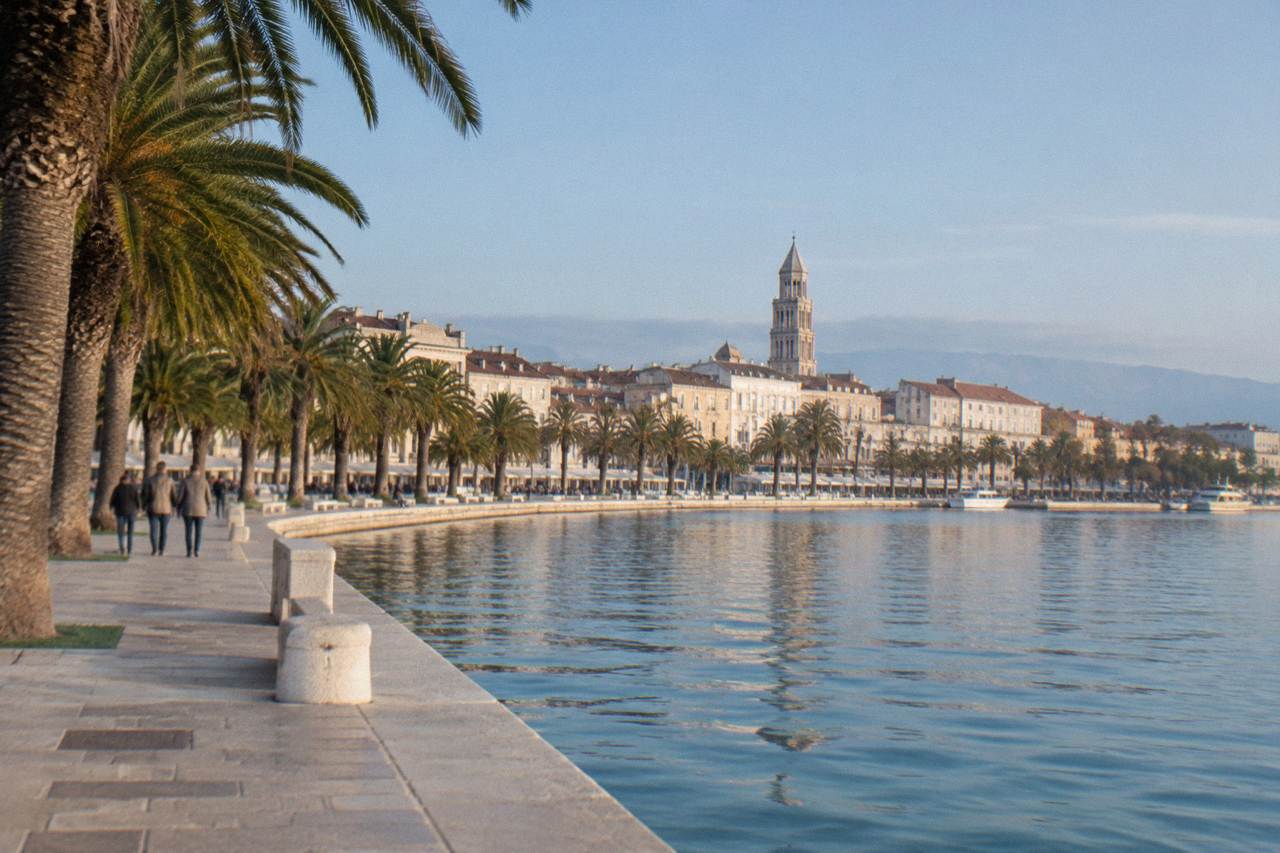
Yes, Split is a highly walkable city: the Old Town sits inside Diocletian's Palace, the ferry port and bus station are 500 to 600 m away, and Marjan's trails start at the edge of the centre.
Split is a coastal city on the mainland, not an island, and its nightlife runs in seasons rather than every night. Here is what the sources say about bars, festivals, beaches and quiet corners.
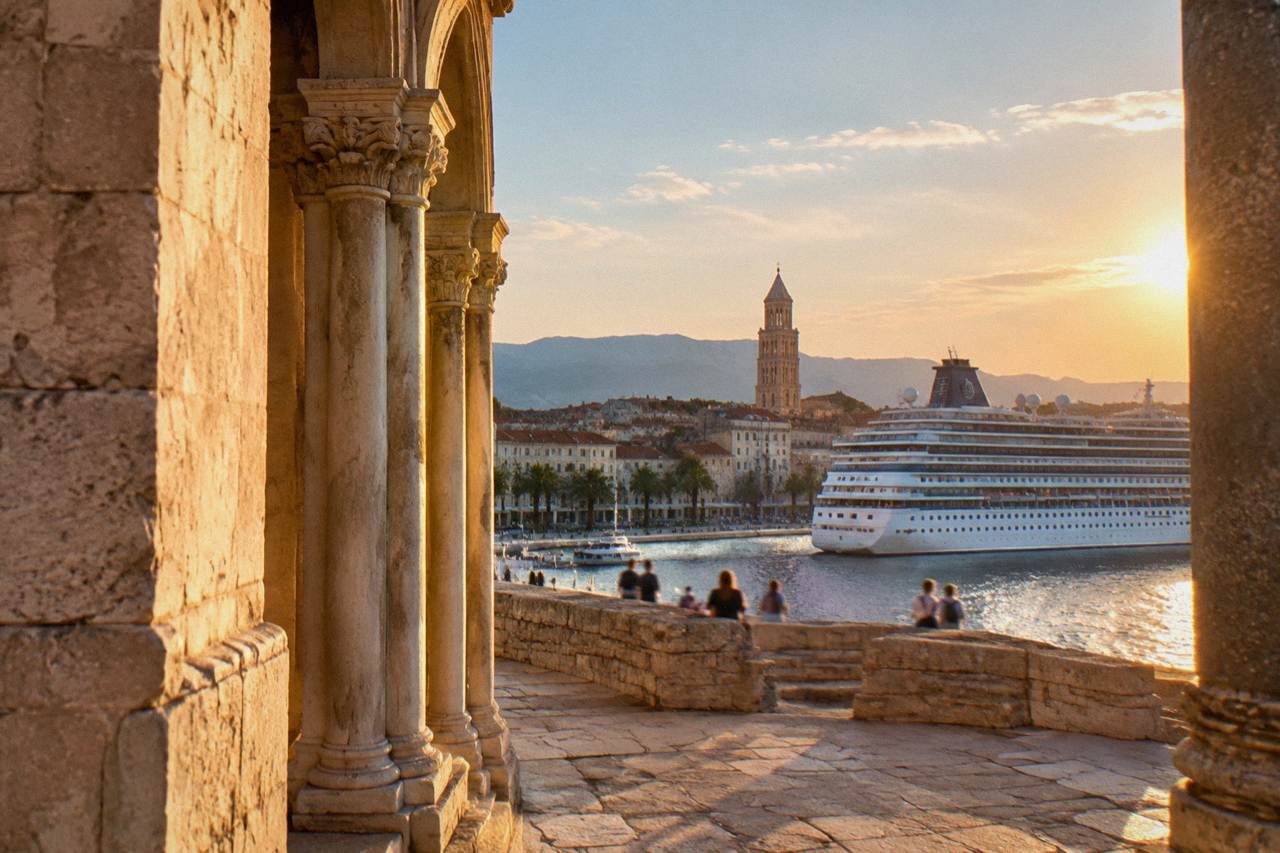
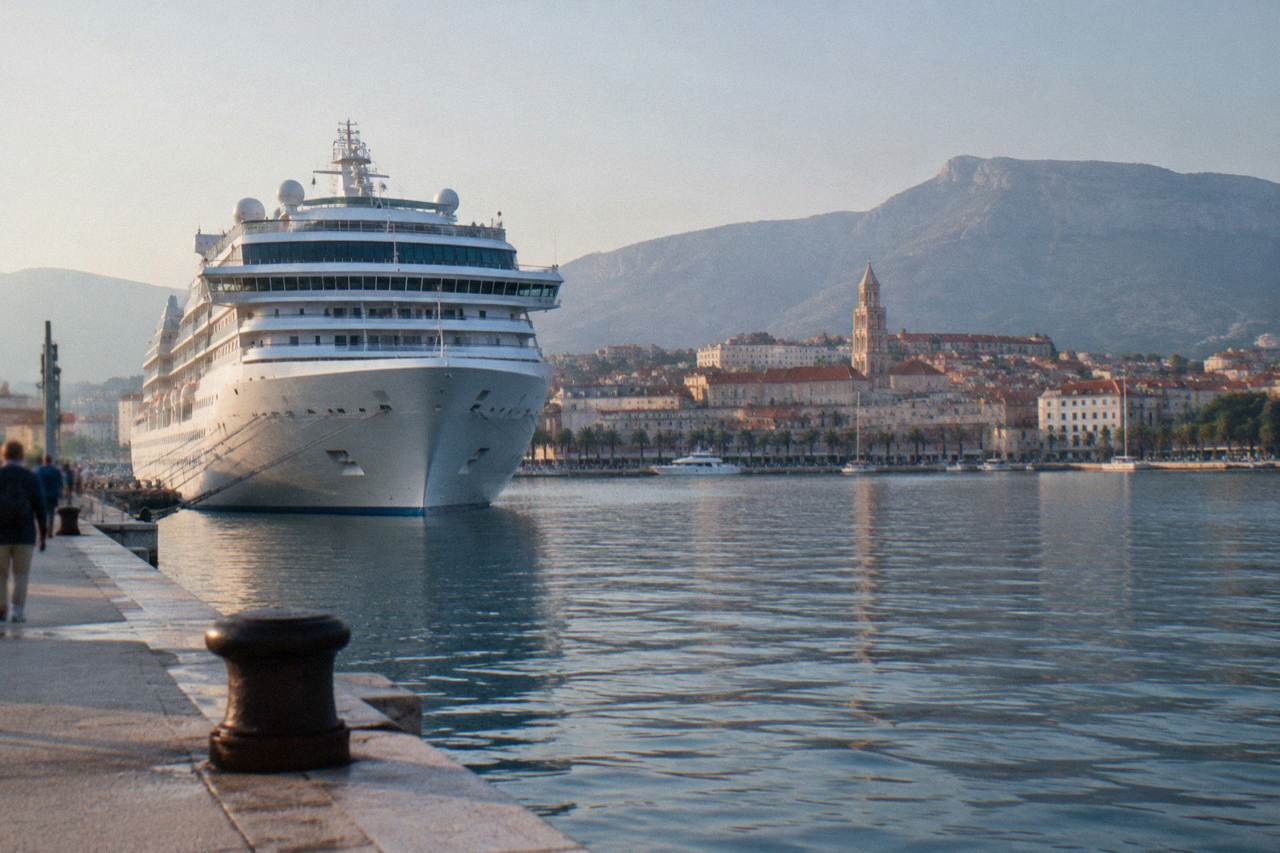
Cruise ships dock beside Split's ferry port, and Diocletian's Palace sits about 500 to 600 m away. What is walkable from the Split cruise port, what needs a bus, and what needs a day trip.
Yes, Split in Croatia is worth visiting: a Roman palace you live inside, beaches 500 m from the centre, ferries to Hvar and Brač, and day trips to Krka and Plitvice.
No, the Blue Cave is not in Split itself: it sits in a cove on Biševo island near Vis, and this guide explains how to reach it from Split, what entry costs and how it differs from the Blue Lagoon.
No dress code applies to Diocletian's Palace in Split itself, but the Cathedral of St Domnius requires covered shoulders and knees. Here is what to wear and what the local rules fine.
No hop-on hop-off sightseeing bus operates in Split: here is what the city's own transport actually offers, from Promet city buses and the Platanus airport shuttle to walking, ferries and day-trip coaches.
Split's dining scene explained: what the Michelin Guide means for the city, what fine dining exists, and where to eat well in Dalmatia's largest coastal city.
A calm comparison of Split and Zadar, two coastal cities on the Adriatic, using verified ticket prices, distances and climate figures to help you choose between them.
A practical comparison of Split and Dubrovnik for trip planning: which city deserves the extra nights, with verified travel times, ticket prices and day-trip options.
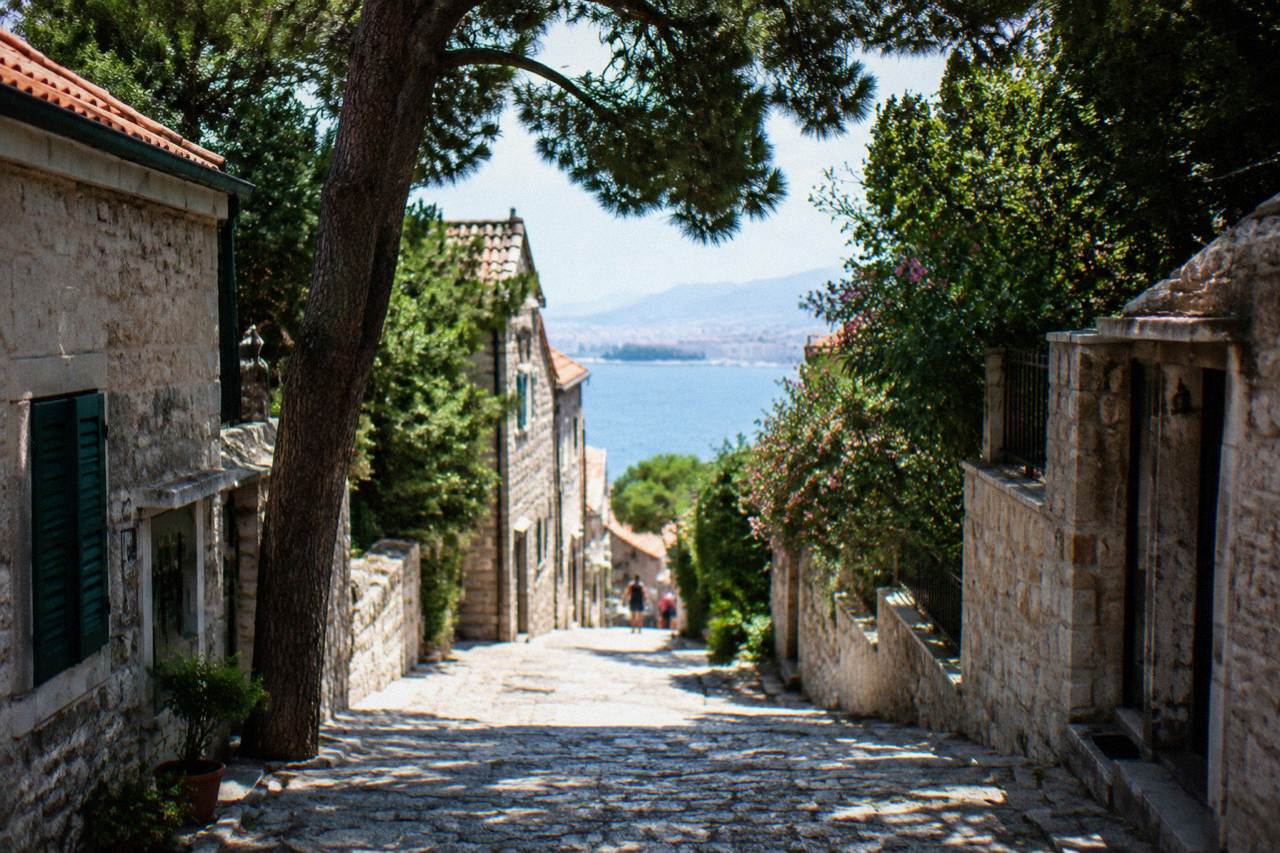
Quiet corners of Split most guides skip: Veli Varoš, the Marjan steps, small museums, Kašjuni beach and nearby Salona, with prices and opening notes.
Where Split's beach club day actually happens, from Bačvice and Žnjan to Kašjuni under Marjan, with verified rules, climate figures and what to confirm before you go.
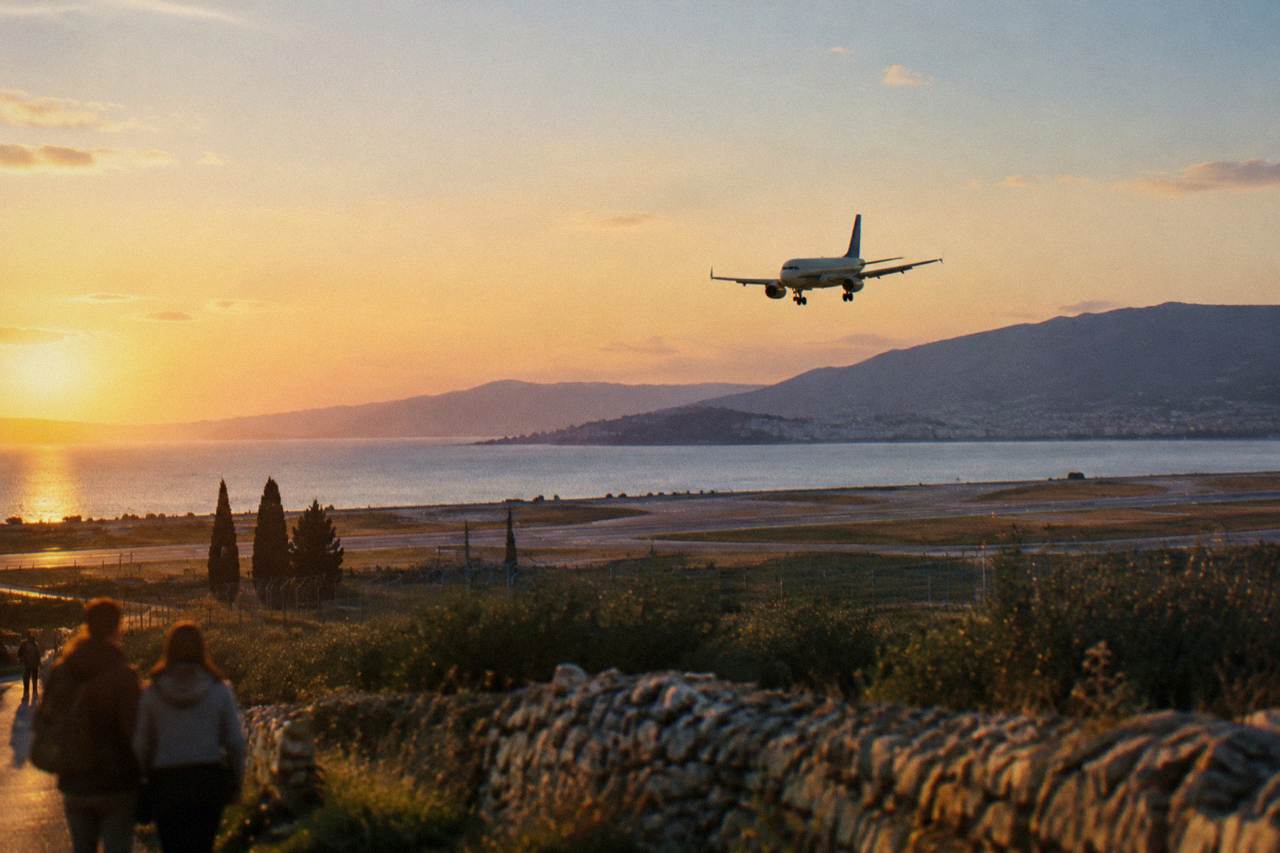
Which cities have direct flights to Split, how the seasonal schedule works, and how to get from the airport into the city centre, with verified airport and transfer facts.
The must-do experiences in Split, from Diocletian's Palace and Marjan Hill to the Blue Lagoon and Hvar boat trips, with verified ticket prices and practical tips.
A side-by-side comparison of Split and Dubrovnik: old towns, UNESCO listings, walls and palaces, prices, sea access and day-trip range, all from published prices and timetables.
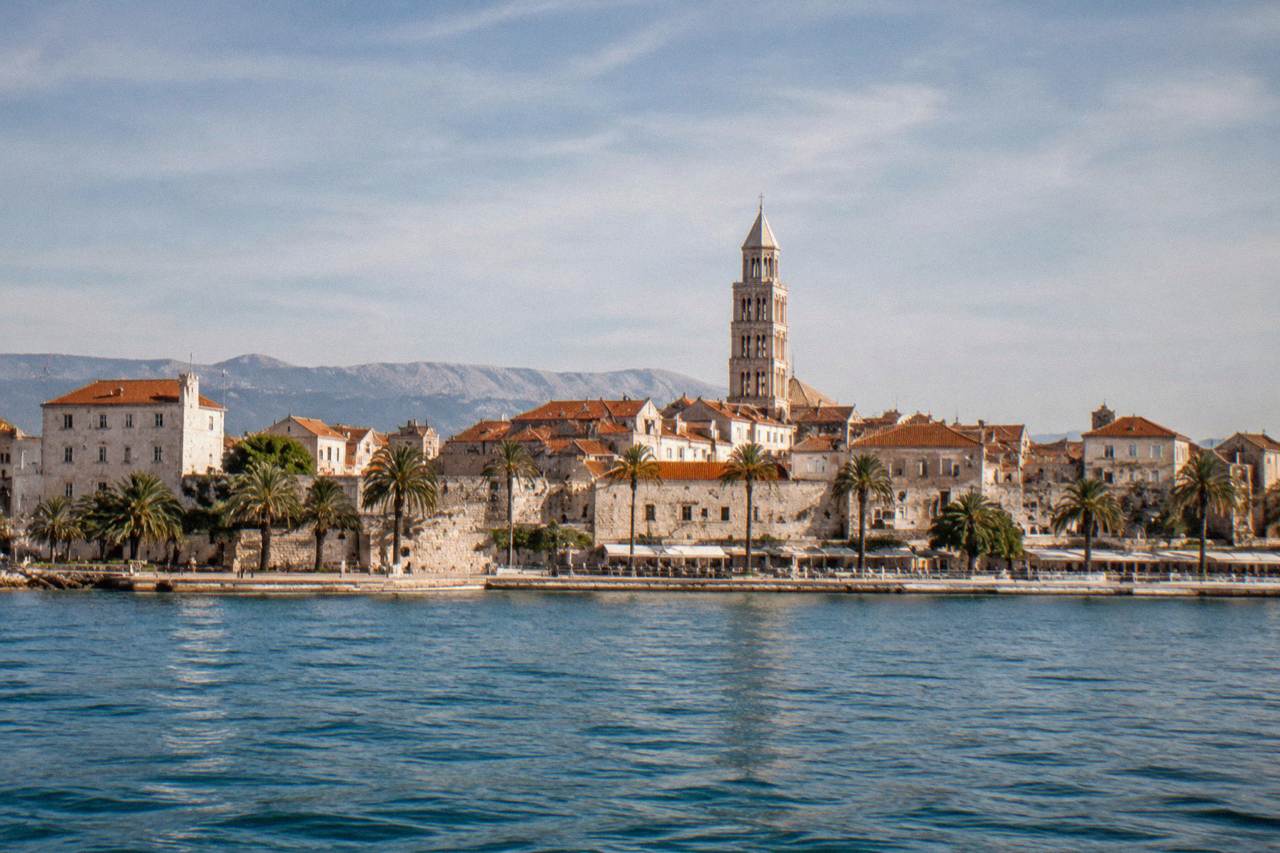
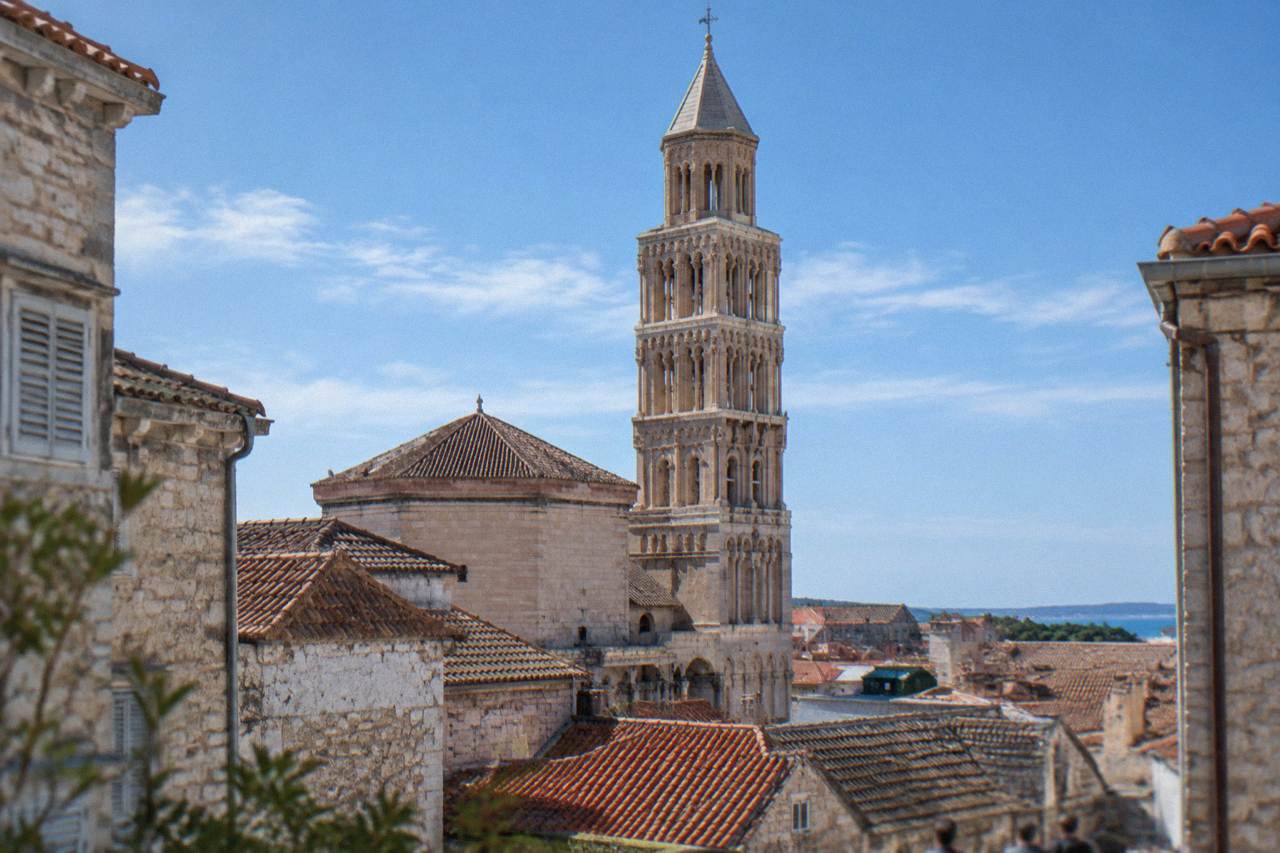
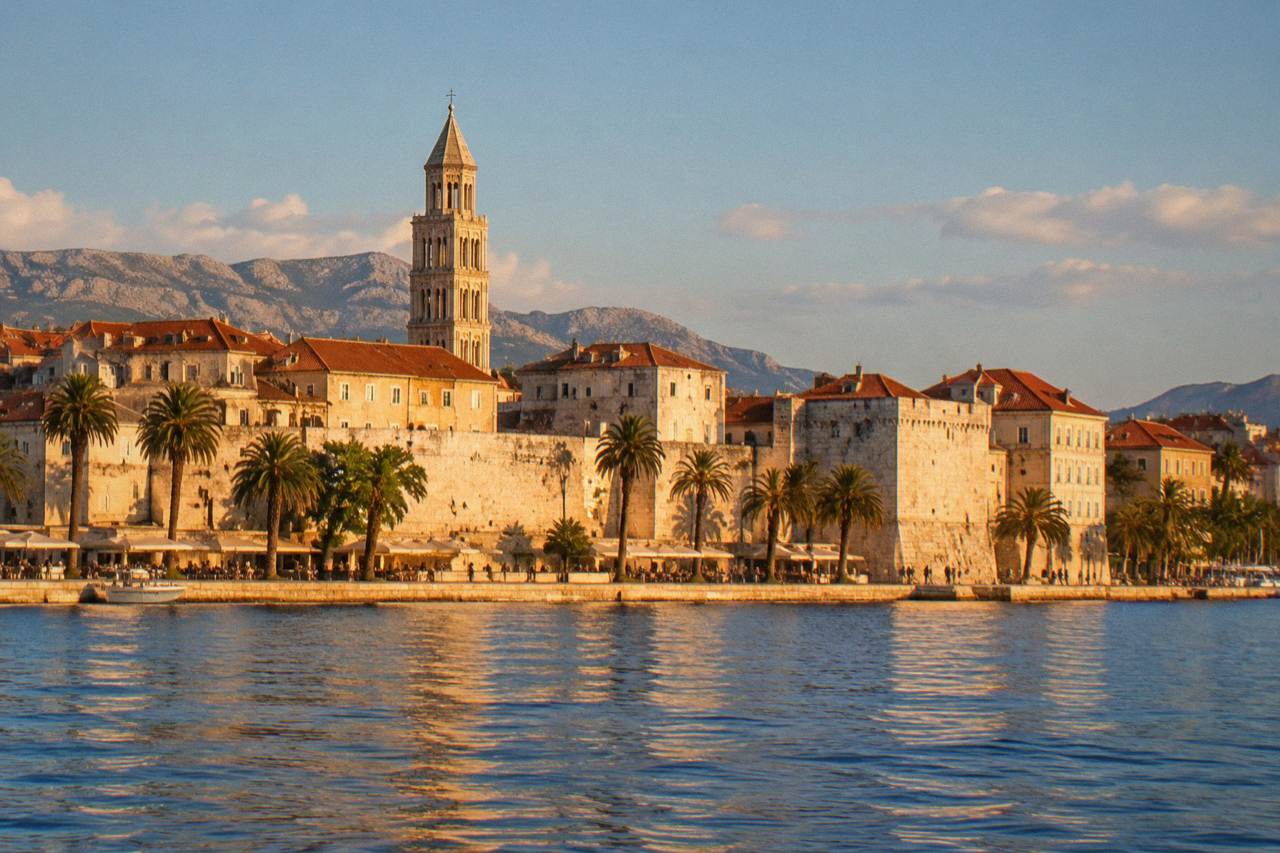
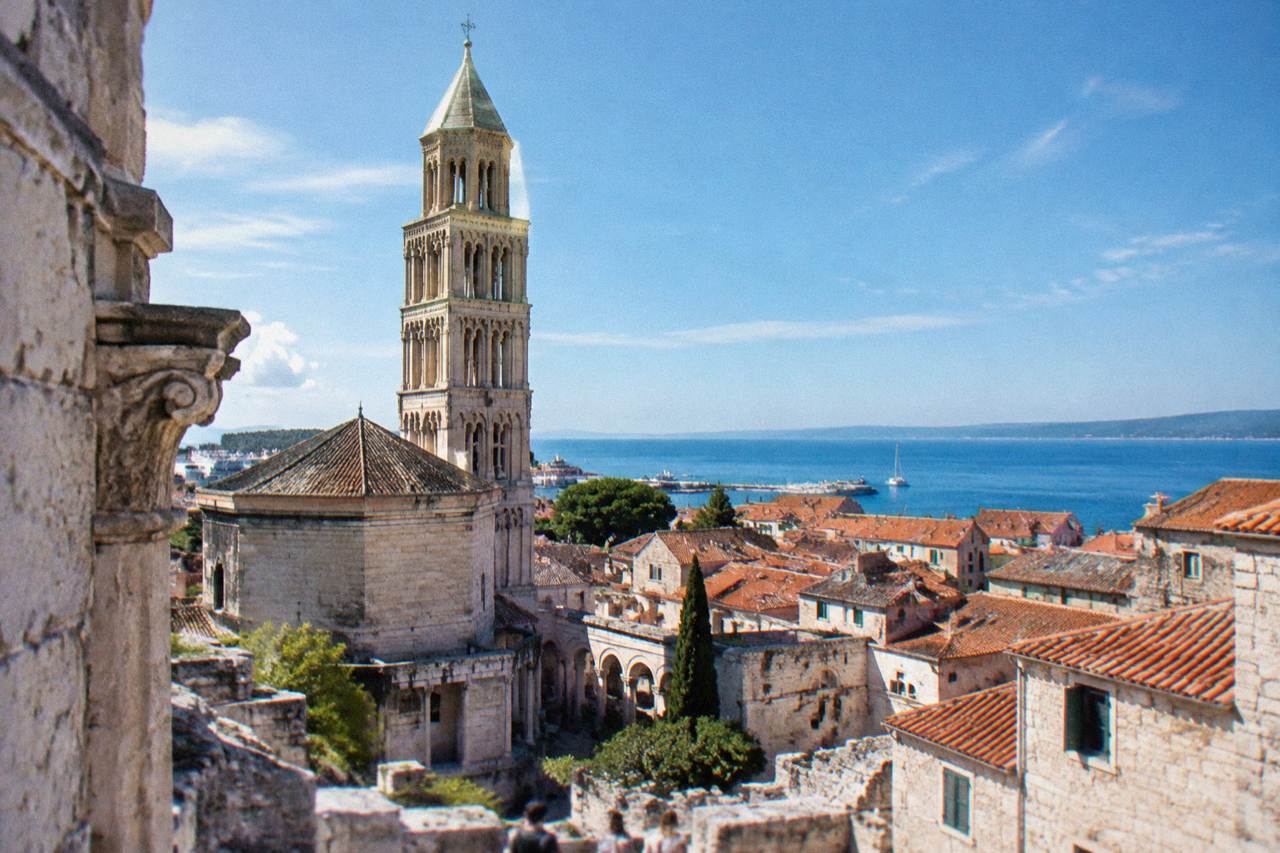
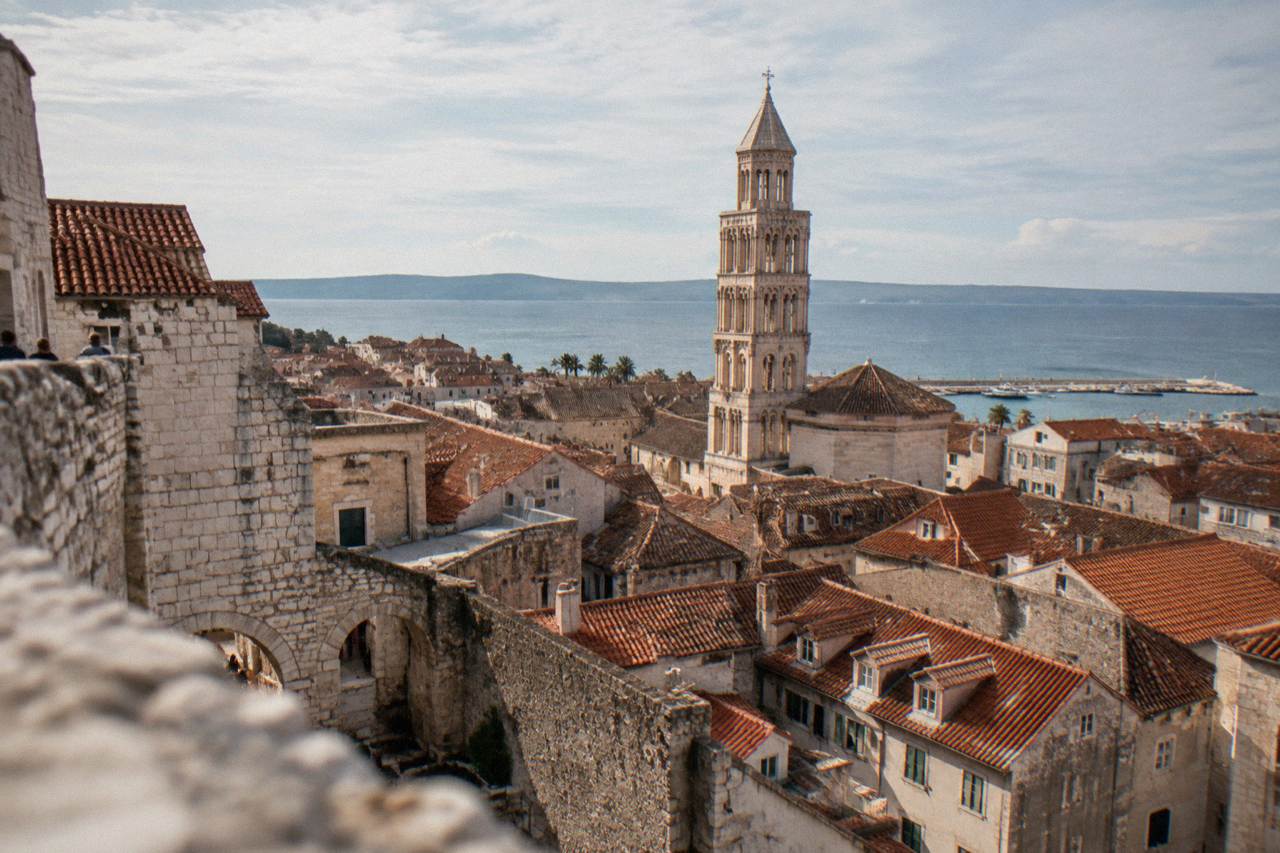
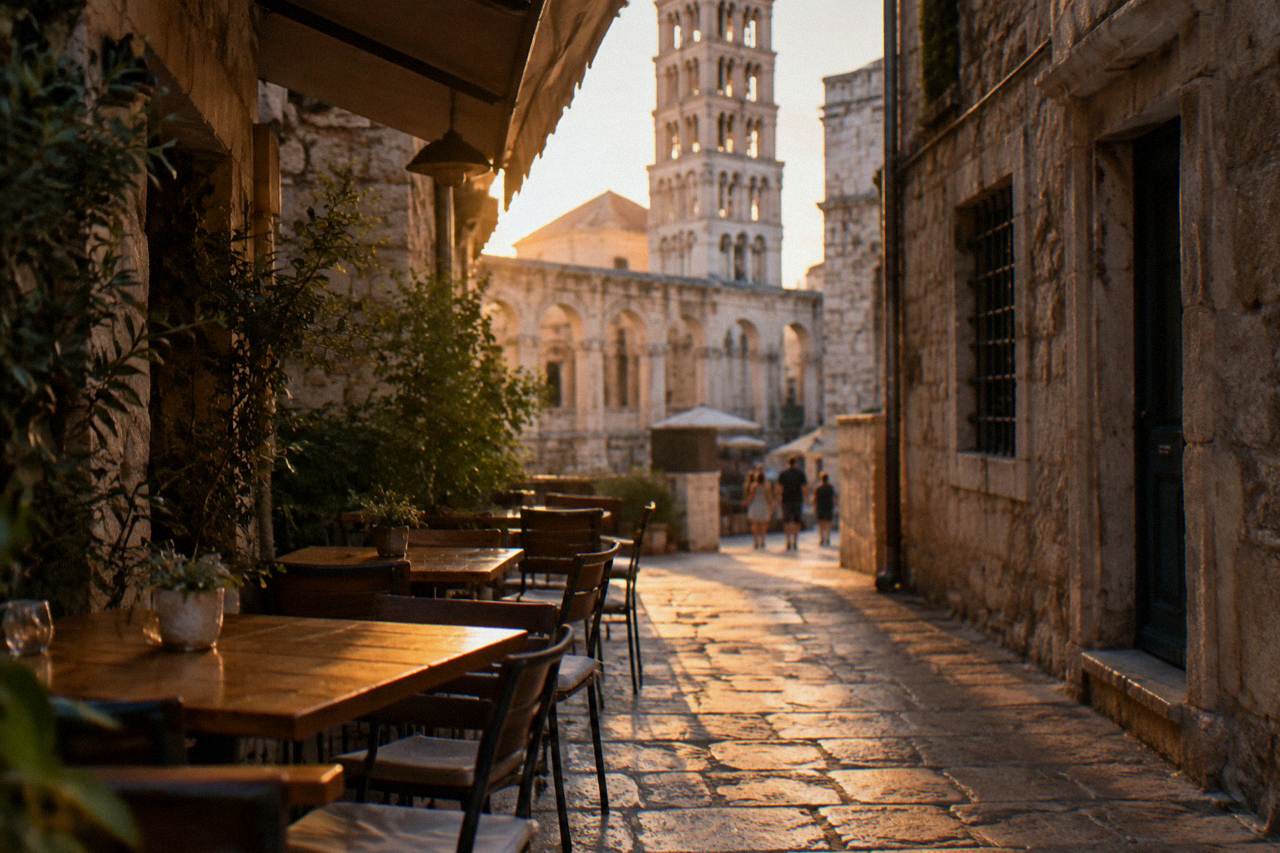
Split is a living Roman palace city on the Adriatic: Diocletian's Palace at its core, Marjan hill above, islands offshore, and Croatia's busiest passenger port at its feet.
The best area to stay in Split depends on what you want: the Old Town for the palace, Bačvice for the beach, Meje for quiet. This guide matches each district to a traveller.
Month-by-month guidance for visiting Split, from DHMZ Split Marjan temperature and rainfall data to seasonal crowds, sea swimming, ferry schedules and festival dates.
No single hotel wins the title of nicest in Split. This desk guide explains the areas, the new openings and the checks to make before booking a stay.
Trogir, Omiš, Šibenik, Klis and Salona compared as day trips from Split, with verified driving times, ticket prices and how to choose between them.
The mistakes worth dodging in Split: the fined behaviours in the historic core, the streets that sell lunch twice, the wrong island ferry and the day trips booked for the wrong month.
Cruise ships dock at the Port of Split on Obala kneza Domagoja, about 500 to 600 m from Diocletian's Palace. Here is what the port authority and city sources say about berths, walking into the Old Town and port day plans.
Where Split residents actually eat: the neighbourhood konobas around Veli Varos and Bacvice, the green market, the dishes on local tables, and the food tours that walk you through it.
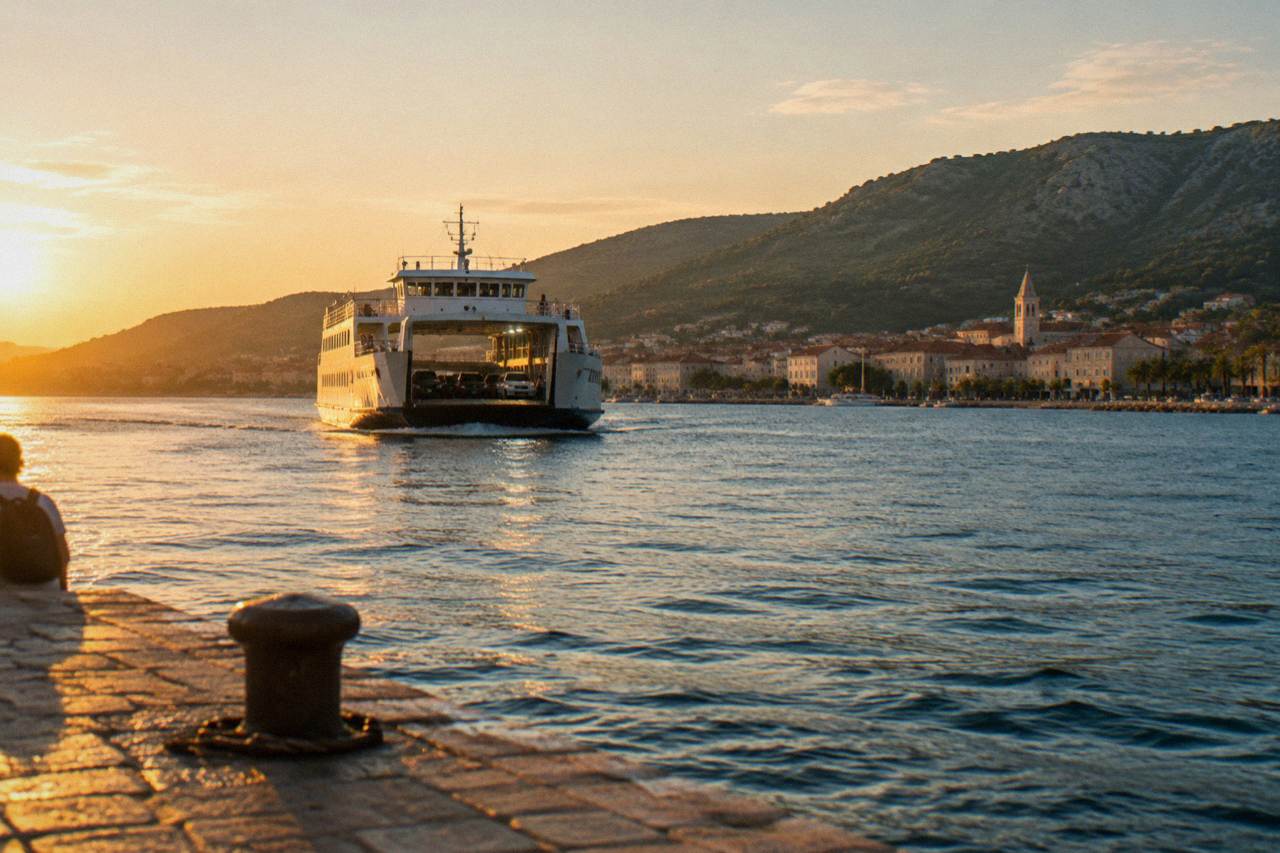
The Split to Hvar car ferry arrives at Stari Grad and the catamaran arrives at Hvar Town: terminals, sailing times, fares and how to reach Hvar Town from Stari Grad.
A comparison of Split and Zagreb for visitors: coast against inland, travel times between the two, Split's climate, prices and day trips, with sourced figures.
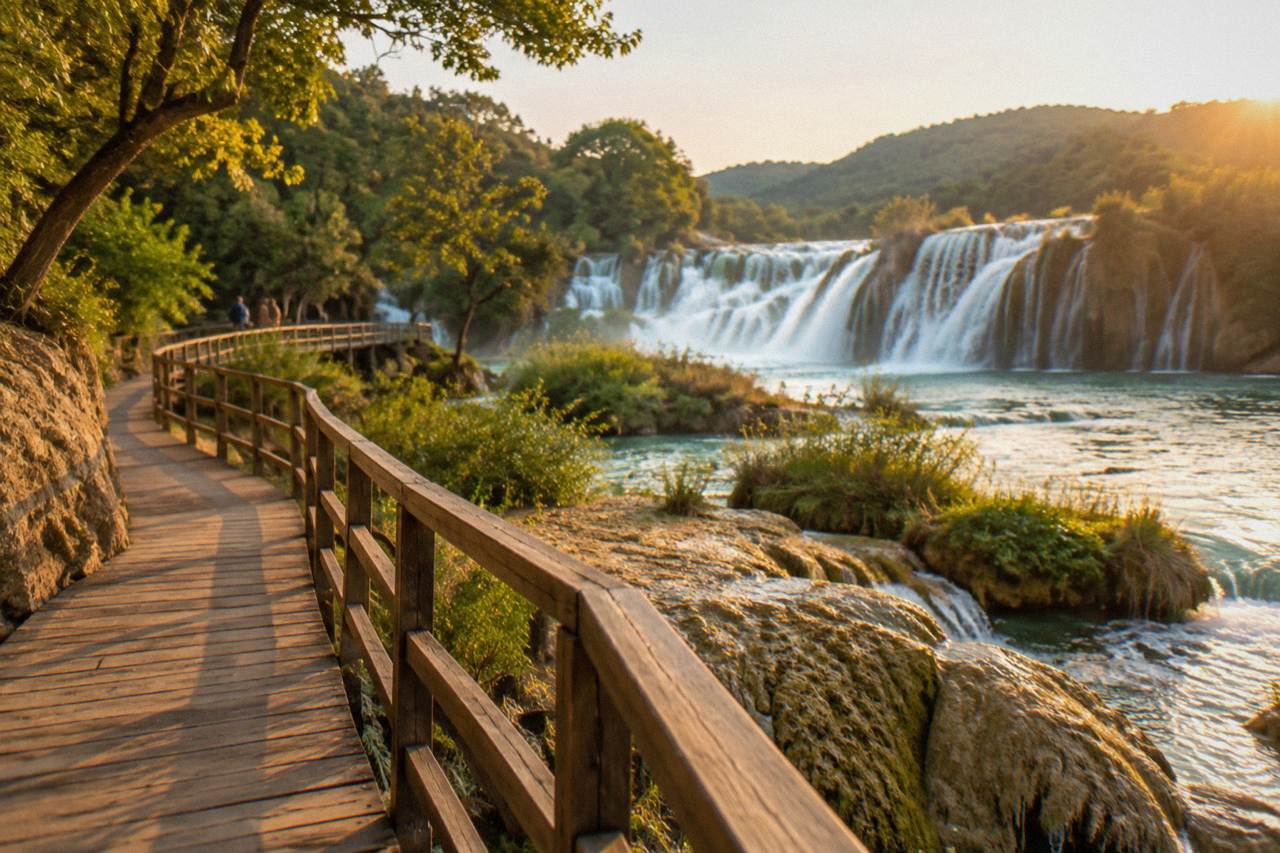
Plitvice or Krka from Split: verified ticket prices by season, driving times, swimming rules and which park suits a day trip from the Dalmatian coast.
The name Split explained with what the primary sources actually say: the Roman palace the city grew from, the UNESCO listing that names it, and the record behind one of the Adriatic's best known city names.