Is Hvar No Longer A Party Island?
Hvar's reputation as a party island is changing, and this desk report looks at what the sources actually say about Split's offshore neighbour today.
Split, the coastal Dalmatian city on the Adriatic, faces the island of Hvar across a short stretch of sea, and the question of whether Hvar is still a party island comes up again and again in searches about the region. The honest answer is that the label never fitted the whole island in the first place, and the sources that describe it today, the tourist board pages, the ferry operator and the operators' own listings, describe something far broader than nightclub terraces. Hvar Town is one settlement on an island that also holds Stari Grad, Jelsa, Vrboska and the Pakleni islets, and the loud-summer reputation belongs almost entirely to a few weeks and a few streets.
Is Hvar No Longer A Party Island?
The short answer is that Hvar was never a single-party island and it is not becoming one now. Hvar Town still has late bars and a summer season with a strong nightlife pull, while Stari Grad, Jelsa, Vrboska and the island's inland villages carry a quiet, family-run rhythm year after year. Sources describing the island today, from the tourist board's own site pages to the listings for boat day trips from Split, present beaches, lavender roads, fortresses and seafood, not only nightlife.
The reputation formed over the past two decades, when Hvar Town's waterfront terraces and beach clubs drew an international crowd and celebrity visits filled the travel pages. That layer of the island still exists and the tourist board's own pages list it among the town's summer attractions alongside the harbour, the fortress and the Franciscan monastery. What has changed is the framing. A reader searching this question in 2026 is just as likely to be weighing Hvar against Split for a calm base, or deciding whether a single day on the island fits a Split itinerary, as to be planning a club crawl. The question itself has softened: the phrase "no longer" carries an assumption that the party years defined the place, and no source on the island supports that narrow a reading.
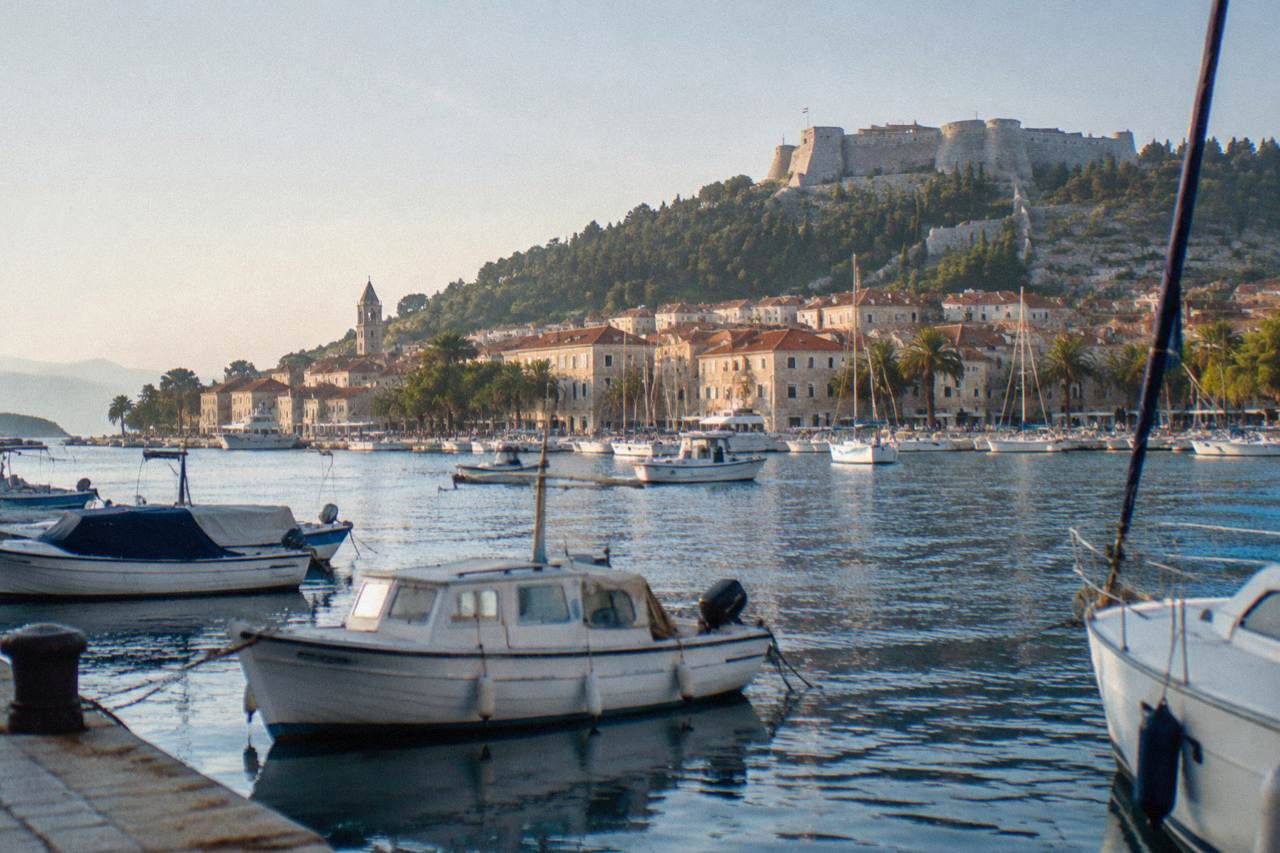
The Fortress, the Španjola above Hvar Town, tells part of the story. The Hvar tourist authority's own fees page lists it at 12 EUR for adults with opening hours from 9:00 to 20:00, and the walk up rewards the climb with a view over the Pakleni islets. That is the version of Hvar that fills the day-trip boats from Split. For a fuller comparison of the two as bases, read Split versus Hvar as a base, and for the narrow head-to-head, see is Hvar nicer than Split.
How Do You Get From Split To Hvar Town?
Hvar Town is reached by catamaran, not by car ferry, and that single fact reshapes any visit. The Jadrolinija network runs catamaran line 9602 from Split via Milna to Hvar and Vis, and line 9603 via Bol, Stari Grad and Jelsa, with the Split to Hvar or Jelsa foot passenger fare at 6.40 EUR in low season and 10.00 EUR in high season. Cars and foot passengers heading for the island's main car-ferry port arrive at Stari Grad, on line 635, which takes about 120 minutes.
Planning to cross over from Split yourself? Book a Split to Hvar ferry ticket here.
That distinction trips up a lot of planning. A traveller who books the car ferry expecting to step off into Hvar Town finds themselves in Stari Grad instead, about a half-hour island drive from the harbour everyone photographs. The guide to the Split to Hvar ferry covers the ports in detail, and the answer on where the ferry from Split to Hvar arrives exists precisely because the confusion is so common. Catamarans also leave from a different point on the Split waterfront than the car ferries, and the Port of Split, which its own page calls Croatia's busiest passenger port with 6.05 million passengers in 2025, handles all of it from the Obala kneza Domagoja hub around 500 to 600 m from Diocletian's Palace.
| Route from Split | Vessel type | Sailing time | Foot passenger fare |
|---|---|---|---|
| Line 635 to Stari Grad (Hvar) | Car ferry | About 120 minutes | 5.90 EUR off-season, 8.40 EUR in season |
| Line 9602 via Milna to Hvar Town | Catamaran | Stated on the operator's route page | 6.40 EUR low, 10.00 EUR high |
| Line 9603 via Bol, Stari Grad, Jelsa | Catamaran | Stated on the operator's route page | 6.40 EUR low, 10.00 EUR high to Jelsa |
Kapetan Luka (Krilo), TP Line and Bura Line also run Split catamarans, and all three appear in the Port of Split's live departures feed, so the sailing options extend past the state operator. Timetables shift between seasons, and the operator's own pages decide; a reader planning a specific day should confirm the departure there.
What Does A Hvar Day Trip From Split Actually Include?
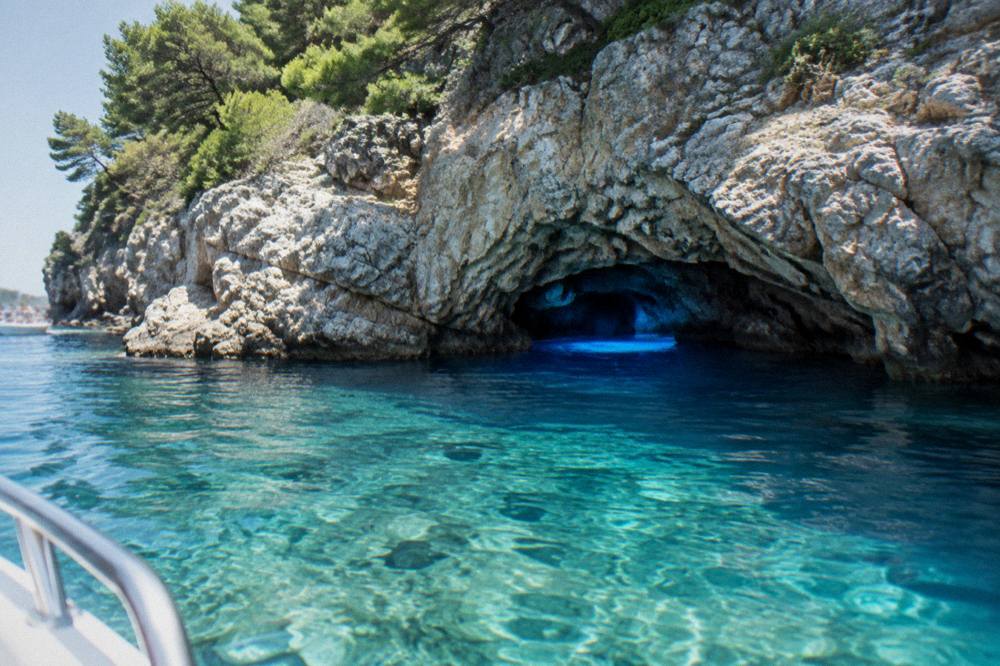
A Hvar day trip from Split is built around water, not nightclubs: a boat crossing, a swim stop, a few hours in Hvar Town or the Pakleni islets, and a return before the evening catamarans. The listings for the popular speedboat and cruise products from Split describe the Blue Cave on Biševo, the Pakleni islets, Hvar Town's fortress and old square, and lunch or wine on board, with the nightlife side of the island left entirely out of the itinerary.
That is the practical answer to this page's question. Whatever Hvar Town's bar terraces do after dark, the day-trip economy that defines the island for Split visitors runs from morning to early evening. The listing for the Blue Cave, Mamma Mia, Hvar and 5 Island small group tour, the featured product on this page, describes exactly that shape of day, and readers can Check availability beside the full tour page. The Blue Cave entry fee itself is 24 EUR for adults in high season from 20 June to 10 September, 18 EUR in the shoulder months, paid in cash on site, so the trip is planned around a real cost beyond the boat.
When Is Hvar Loud, And When Is It Quiet?
Hvar Town's nightlife concentrates in the peak weeks of July and August, when the sea is warm and the day-trip and mooring traffic is at its height. Outside those weeks the island shifts: spring and autumn bring hikers, lavender country roads and near-empty coastal paths, and the DHMZ Split-Marjan station table, for the facing mainland coast, shows July with 18 days at 30 C or more against 26.6 mm of rain, while November, the wettest month at 115.5 mm, belongs to indoor island life.
The climate record for the Split side of the channel, covering the station period 1948 to 2024, is a fair proxy for the crossing, and it explains the rhythm. July and August, with means of 26.2 C and 25.9 C, carry the heat, the crowds and the late-night terraces together. May at 19.2 C and June at 23.4 C sit in the sweet spot many travellers now aim for, and September at 21.6 C with 70.9 mm of rain keeps the sea swimmable while the pace drops. A reader deciding when to cross can compare the months on what is the best month to visit Split.
What Are The Quieter Alternatives To Hvar From Split?
Readers who want the island-and-water day without Hvar Town's buzz have three close options from Split: Šolta on line 636, about 60 minutes by ferry; Brač on line 631 to Supetar, about 50 minutes and, from 2026, running only high-season and low-season timetables with no off-season schedule; and the Blue Lagoon stretch between Drvenik islets, which the small-group speedboat listings cover as a half-day swim-and-snorkel run. Each carries the same Adriatic water and none of the reputation.
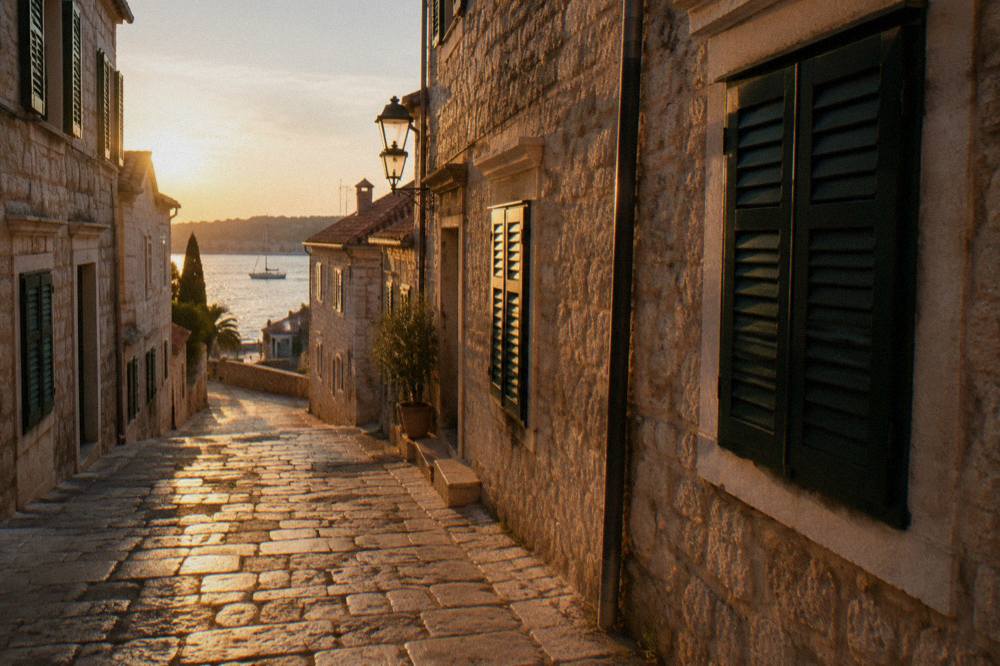
The Blue Lagoon run deserves particular attention from readers spooked by Hvar's image. The listings describe shallow, sheltered water between the islets, a swim stop measured in unhurried hours, and a return to Split with the afternoon still intact. Šolta, by contrast, is the island the day-trip industry largely bypasses, and Brač holds Zlatni Rat and the Vidova Gora ridge for travellers who want beaches and hills over harbourfront terraces. The island-hopping week itinerary on this site weaves several of these together for readers with more than a day.
Common Questions About Hvar As A Party Island
Is Hvar no longer a party island?
Hvar Town keeps a genuine late-night summer scene in July and August, so the party label has not vanished. The island as a whole, though, is much larger than that reputation, and Stari Grad, Jelsa, Vrboska and the inland villages run on a quiet, family-scale rhythm that the nightlife coverage never described.
Can you do Hvar as a day trip from Split?
Yes. Catamarans reach Hvar Town from Split directly, and the car ferry runs to Stari Grad in about 120 minutes. Organised boat days from Split also combine Hvar Town with the Pakleni islets and swim stops, returning to Split the same evening.
What is the cheapest way to get from Split to Hvar Town?
The catamaran, on foot. The Split to Hvar foot passenger fare is 6.40 EUR in low season and 10.00 EUR in high season. The 5.90 EUR off-season and 8.40 EUR in-season ferry fares apply to line 635, which arrives at Stari Grad rather than Hvar Town.
Is Hvar Town suitable for families?
The town's fortress, listed at 12 EUR for adults by the Hvar tourist authority, the harbour beaches and the short boat hops to the Pakleni islets all work for families, particularly outside the peak July and August weeks when the late-night scene is at its loudest.
Which month is best for avoiding crowds in Hvar?
The DHMZ Split-Marjan table for the facing coast shows May at 19.2 C and September at 21.6 C mean temperature, warm enough for swimming with thinner crowds than July and August, which carry 18 and 17 days at 30 C or more respectively and the busiest harbour traffic of the year.
Is Split better than Hvar for nightlife?
Split is a city of about 160,577 people (2021 census) with year-round bars inside and around Diocletian's Palace, while Hvar Town's scene is seasonal and concentrated in summer. Readers weighing the two can start with the Split versus Hvar comparison on this site.
For readers planning around Split, this Split Croatia Travel Guide carries the full range of day trips, ferry guides and island comparisons, and the answer is consistent across all of them: Hvar has not stopped partying so much as it has grown into a bigger, quieter island than its reputation ever admitted, and the day you build from Split is whatever you decide to make of the crossing.