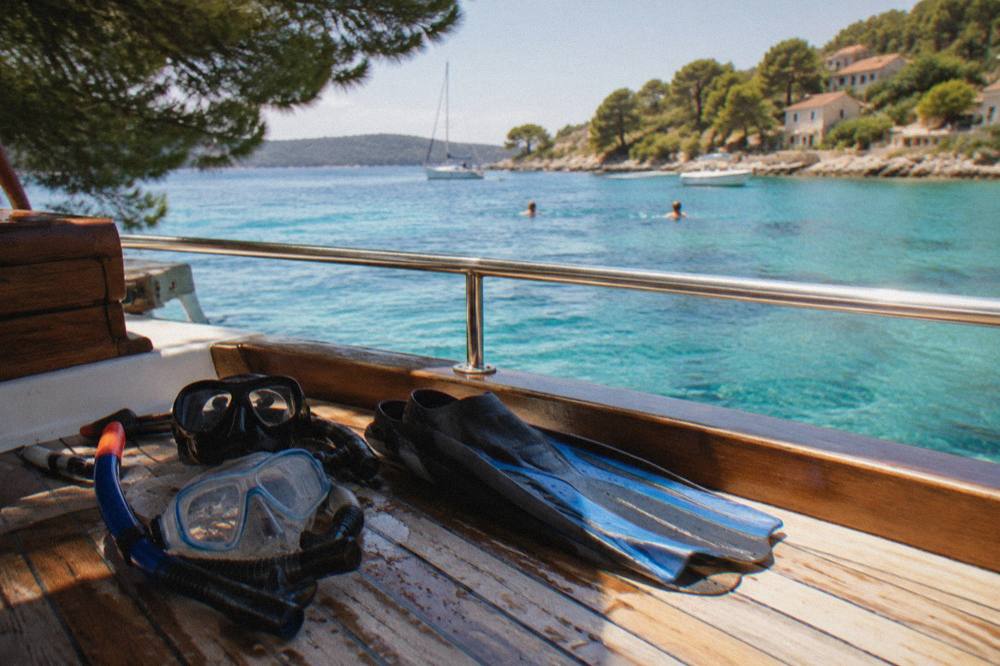
Can You Swim In The Sea In Split?
Yes, you can swim in the sea in Split: free city beaches sit minutes from Diocletian's Palace, and the Adriatic season runs roughly from June into October. Here is what the sources say.
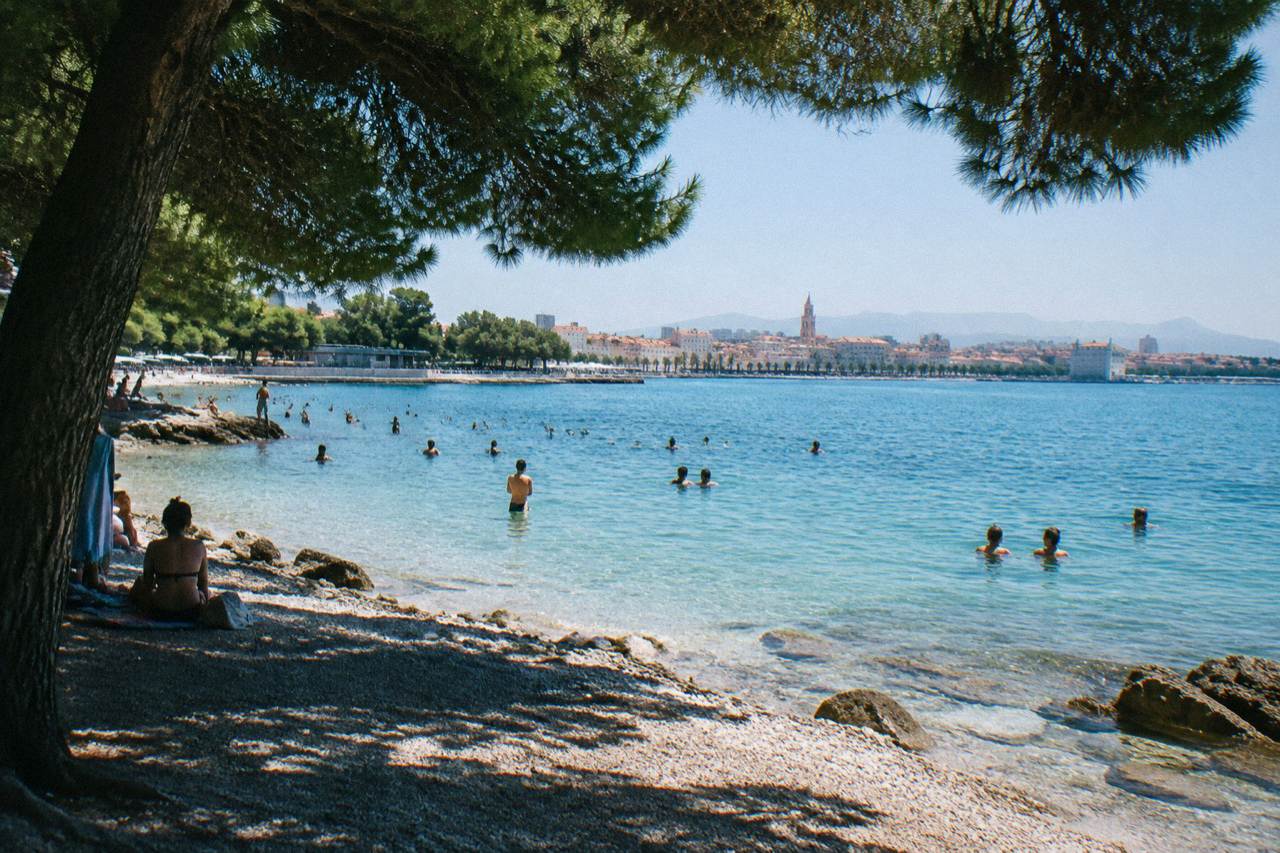
Split is a coastal city in central Dalmatia, on the Adriatic Sea, and the sea is not a distant day trip from its centre: the city's own beaches begin within a short walk of Diocletian's Palace. Bačvice, the most central of them, sits roughly ten minutes on foot from the Peristyle, and the beach continues into Firule to the east. On the other side of the peninsula, below the Marjan park forest, Kašjuni and the smaller coves along Meje offer quieter water against a pine and rock backdrop, and Žnjan stretches the swimmer's map further east along a concrete and pebble shore. This page on the Split Croatia Travel Guide answers the swimming question in full: which beaches are free, when the water is warm enough, what the climate record actually says, and where the rules allow you to swim beyond the city.
Can You Swim In The Sea In Split?
Yes, you can swim in the sea in Split. The city stands directly on the Adriatic and has free public beaches minutes from its Old Town: Bačvice and Firule east of the harbour, Žnjan further along the coast, and Kašjuni and the coves below Marjan to the west. No beach in Split charges entry, and locals swim here from late spring into autumn, with the warmest water in the height of summer.
The beaches themselves cost nothing. Bačvice is the city's sandy exception on an otherwise pebble and concrete coastline, and it is the home of picigin, the shallow-water ball game born on that beach in 1908 and now protected as intangible heritage of Croatia. Watching a match in knee-deep water is as much a part of a Bačvice afternoon as swimming is. Firule, the next bay east, is calmer and shallower, backed by courts and pine shade. Žnjan, a longer stretch east of the harbour, mixes concrete plateaus with entry ladders into deeper water, which suits confident swimmers more than toddlers.
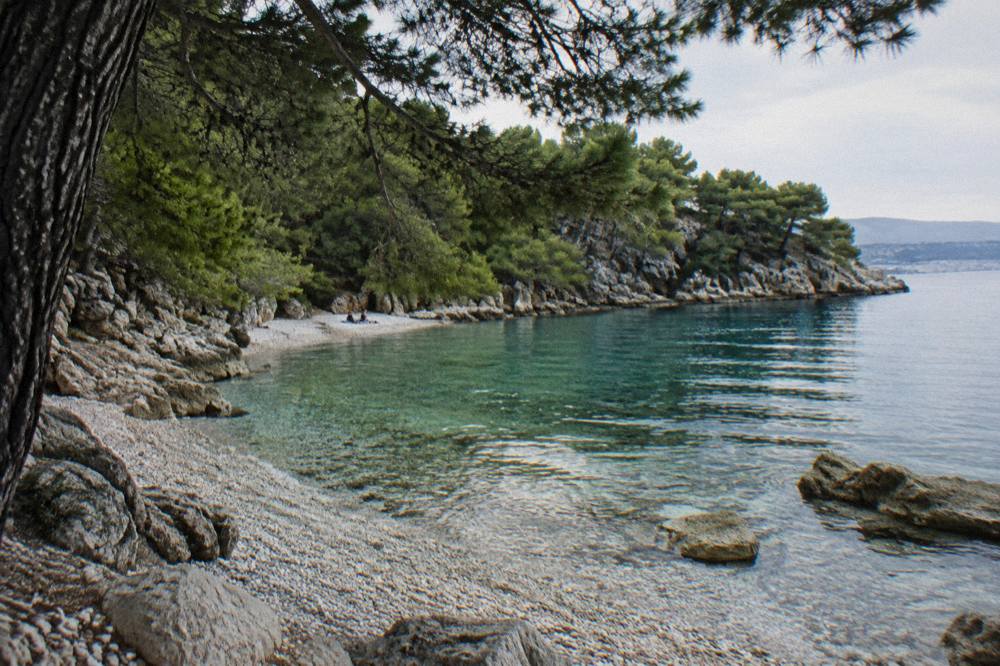
West of the centre, below the Marjan park forest, the coastline changes character. Kašjuni sits in a shaded bay at the foot of Marjan, with a view back across to the islands, and a series of small rocky coves runs along the Meje shore toward the tip of the peninsula. The water is clear and deeper than at Bačvice, and the setting is quieter because fewer visitors walk the extra distance. The Marjan park forest itself, with its highest point Telegrin at 178 m, is free to enter, so a morning hill walk and an afternoon swim can be combined on foot without paying anything.
The distinction that matters is between the city beaches and the water elsewhere in the bay. Swimming is normal and expected at the beaches and coves described above. What is not allowed is bathing in fountains or climbing on monuments in the historic centre, which the city's published public-order rules fine at 300 EUR, and walking through the Old Town in swimwear or shirtless, which is also a fined offence, with the amount set locally and confirmed by the city's notices. The practical rule is simple: swimwear belongs on the sand and the rocks, not in Diocletian's Palace.
If your trip is short, the swimming question folds into the broader one of how to spend it, and the one day in Split itinerary shows how a palace morning and a beach afternoon fit together on foot.
Which Beaches In Split Are Free, And How Do They Differ?
Every city beach in Split is free to enter: Bačvice, Firule, Žnjan, Kašjuni and the coves along Meje and Marjan charge no admission, and the Peristyle, the Riva, Marjan park forest and the city markets are free in the same way. What separates the beaches is the shore itself: sand at Bačvice, shallow family water at Firule, deep ladder entries at Žnjan, and rock and pine at Kašjuni.
A comparison helps, because the beaches serve different swimmers. The table below holds only what the sources support: the type of shore, the swimming character and what stands next to each beach.
| Beach | Shore type | Swimming character | Setting |
|---|---|---|---|
| Bačvice | Sand | Shallow, sheltered bay | Ten minutes from the palace, home of picigin |
| Firule | Pebble and concrete | Calm and shallow | Pine shade, next bay east of Bačvice |
| Žnjan | Concrete plateaus with ladders | Deeper water, suited to confident swimmers | Longest stretch east of the harbour |
| Kašjuni | Pebble and rock | Clear, deeper water in a shaded bay | At the foot of the Marjan park forest |
| Meje coves | Rock | Small, quiet, deeper entries | Pine coast running toward the Marjan tip |
Bačvice earns its place as the default answer to this page's question. It is the beach locals use between work and dinner precisely because it is the closest to the centre, and its sand, rare on this coast, makes it the easiest entry for children and for anyone who dislikes pebbles. The bay is shallow for a long way out, which is why picigin, a game played in waist-deep water, took root there in 1908.
Kašjuni is the counterweight. Reaching it means walking or driving around the base of Marjan or over its lower slopes, and the reward is a bay with pine shade, clearer water and fewer people on the shore. The beaches below Marjan are also the natural end point for a walk described in the Marjan Hill guide, which details the 819 steps from Trumbićeva obala up to Telegrin, the 178 m high point of the peninsula, and the paths back down to the sea.
For visitors arriving by ship rather than staying overnight, the answer to the swimming question is the same but the logistics change. The cruise port day guide covers the walk from the berth at Obala kneza Domagoja, where the ferry port, the main bus station and the railway station sit together, 500 to 600 m from the palace, which puts Bačvice within about twenty minutes on foot of the gangway.
Once you have settled the city beaches, the same sea carries you further. Boat trips leave from the waterfront for the Blue Lagoon off Šolta, for Hvar and the Pakleni islands, and for the Blue Cave on Biševo, and each of those days includes time in the water. The choices below are the three this site features for readers whose swimming plans stretch past the city shore.
When Is The Sea In Split Warm Enough For Swimming?
The sea in Split is warmest and reliably swimmable from June through September, matching an air climate that the DHMZ Split Marjan station table puts at a July mean of 26.2 C and an August mean of 25.9 C over the 1948 to 2024 period, with 18 days at 30 C or more in July and 17 in August. Many locals swim from May into October.
The climate record is the honest anchor here. The DHMZ Split Marjan station, with monthly means for the period 1948 to 2024, shows how the year builds toward the swimming season: January at a mean of 8.0 C climbs through 14.4 C in April and 19.2 C in May to 23.4 C in June, then peaks in July before easing back through 21.6 C in September and 17.2 C in October. Rain matters less than you might expect: November is the wettest month at 115.5 mm and July the driest at 26.6 mm, so the core swimming months are also the driest ones.
| Month | Mean air temperature (C) | Precipitation (mm) |
|---|---|---|
| Jan | 8.0 | 77.8 |
| Feb | 8.5 | 65.2 |
| Mar | 10.8 | 63.2 |
| Apr | 14.4 | 62.0 |
| May | 19.2 | 57.5 |
| Jun | 23.4 | 49.0 |
| Jul | 26.2 | 26.6 |
| Aug | 25.9 | 41.3 |
| Sep | 21.6 | 70.9 |
| Oct | 17.2 | 77.0 |
| Nov | 12.7 | 115.5 |
| Dec | 9.4 | 103.7 |
Air temperature and water temperature are not the same thing, and on sea warmth the sources are narrower than the climate table. No official monthly sea-temperature normal is published for Split, so this page prints none. What can be said is that a live DHMZ reading is available for the Split station, and one such live reading on 12 October 2026 showed the sea at 20.4 C, a level at which many swimmers are still comfortable, though a live reading on any given day says nothing about the month as a whole. Sunshine backs the season: the DHMZ figures give 353.3 hours of sunshine in July against 120.8 in December, roughly 2,600 hours across the year.
For planning purposes, treat June to September as the dependable window, May and October as months when the sea is swimmable but the air can turn, and November to March as months when swimming is for the hardy rather than the holiday. If you are weighing months rather than days, the best month to visit Split question goes into the trade-offs, crowds included, in more depth.
Where Can You Swim Beyond The City Beaches On A Day Trip From Split?
Beyond the city beaches you can swim on the islands and in designated freshwater spots reachable from Split: the Blue Lagoon off Šolta on a boat trip, the bays of Hvar, Brač and the Pakleni islands, the sea at Omiš where the Cetina river meets the coast, and, in Krka National Park, only in the clearly marked swimming areas at Roški slap, Stinice and Pisak, open 1 June to 30 September.
The island day trips are the natural extension of this page's question. Boat trips from the Split waterfront run to the Blue Lagoon off Šolta, a shallow sandy-floored anchorage that exists almost entirely for swimming, and onward to Hvar town, reached by catamaran rather than car ferry, with Stari Grad on the far side of Hvar served by the Jadrolinija car ferry in about 120 minutes. Speedboat tours add the Blue Cave on Biševo, whose entrance fee is about 24 EUR per adult at the height of the season, from 20 June to 10 September, about 18 EUR in the shoulder months, paid in cash on site. The cave visit is a boat entry, not a swim stop, but the same tours usually include swimming time elsewhere in the day.
Freshwater swimming has one firm rule attached. At Krka National Park, swimming is not allowed outside clearly marked swimming areas, and the designated spots are at Roški slap, Stinice and Pisak, open for swimming from 1 June to 30 September. The famous Skradinski buk waterfalls are a viewing site, not a bathing pool. A Krka day trip from Split therefore includes swimming only if the itinerary uses those marked areas, and the listing states where the swimming stop falls. The featured trip below pairs the park with a boat cruise and swimming time, and its details, price and current rating all render from its live listing.
The Blue Cave entrance fee, quoted above from the operator side rather than an official park page, should be confirmed on the day, since it is paid in cash at the cave itself. For everything else on the water, the boat tours guide compares the group tours, small-group speedboats and full-day cruises that leave from the Split waterfront, most of which build in a swim stop at the Blue Lagoon or a Pakleni bay.
What Should You Know Before You Swim In Split?
Before swimming in Split, know four things: every city beach is free and none is far from the centre; the historic centre bans swimwear and shirtless walking, with fines set locally; the sea warms from June and holds through September on the DHMZ climate record; and swimming at Krka is allowed only in the marked areas during their 1 June to 30 September season. Confirm conditions on the day.
The swimwear rule is the one that catches people out, because the beach and the palace are so close together. The walk from Bačvice to the Peristyle is short, and in July it is tempting to make it in a wet costume. The city's published rules make that a fined offence in the historic core, alongside drinking alcohol in public there, which carries a 300 EUR fine, and urinating or vomiting in public, also at 300 EUR. The amount for the swimwear offence itself is set locally, so check the posted notices rather than trusting a number a blog gives you. The practical habit is a cover-up and a bag, changed at the beach rather than in the palace.
Two smaller points round out the picture. First, the Riva, the waterfront promenade between the palace and the harbour, is a walking street rather than a beach, but its renovation plans matter to beachgoers all the same: works on the central section are planned from November 2026 for a little over a year, so partial closures on the Riva should be expected through 2027, without affecting the beaches themselves. Second, if your swimming plans are really about the whole trip, the question of how many days is enough for Split shapes whether the sea gets a quick Bačvice hour or a full day on the water.
Beyond the city, the sea is the reason half the day-trip industry exists. The featured Krka trip covers the park, a boat cruise and swimming in one day from Split, and you can check it on its own listing or Check availability against your dates. The same three options below return here because they are the ones this site features for water days, from the waterfalls inland to the speedboat run out to the Blue Cave and Hvar.
Common Questions About Swimming In Split
Can you swim in the sea in Split?
Yes. Split is a coastal city on the Adriatic with free public beaches minutes from the Old Town, including Bačvice, Firule, Žnjan and Kašjuni, and the sea is reliably warm for swimming from June through September on the DHMZ Split Marjan climate record.
Which Split beach is closest to the Old Town?
Bačvice is the closest beach to Diocletian's Palace, about ten minutes on foot from the Peristyle. It is sandy, shallow and free, and it is the home beach of picigin, the shallow-water ball game born there in 1908 and protected as intangible heritage of Croatia.
Do any Split beaches charge entry?
No. The city beaches, Bačvice, Firule, Žnjan and Kašjuni, and the coves below Marjan are free to enter, like the Peristyle, the Riva and the Marjan park forest itself. You pay only for extras such as sunbeds or parking, and those prices are posted on site.
Can you swim in October in Split?
Often yes. The DHMZ Split Marjan station table gives an October mean air temperature of 17.2 C, and a live DHMZ sea reading on 12 October 2026 showed 20.4 C at the Split station, though a single live reading is not a monthly normal. Swimmers who like warmer water should treat late September as the safer end of the season.
Can you swim at Krka National Park on a day trip from Split?
Only in the clearly marked swimming areas. The park's rules state that swimming outside marked areas is not allowed, and the designated spots are at Roški slap, Stinice and Pisak, open from 1 June to 30 September. The Skradinski buk waterfalls are a viewing site, not a swimming spot.
Is it legal to walk through Split Old Town in swimwear?
No. The city's public-order rules for the historic core prohibit walking in swimwear, underwear or shirtless on public surfaces, and the offence is fined, with the amount set locally rather than published on the city page. Keep a cover-up for the walk between the beach and the palace.
The short answer stands: the sea in Split is not only swimmable, it is one of the city's default afternoon activities, free at the shore and warm through the summer, and the same water carries the whole island day-trip network out of the harbour at its feet.