What Are The Best Beach Clubs In Split?
Where Split's beach club day actually happens, from Bačvice and Žnjan to Kašjuni under Marjan, with verified rules, climate figures and what to confirm before you go.
Split, the coastal city in Dalmatia where the Adriatic meets Diocletian's Palace, does its beach club day along a short stretch of shoreline divided into three distinct areas: Bačvice nearest the centre, Žnjan to the east, and Kašjuni on the south side of the Marjan peninsula. No official register of "beach clubs" exists, and no venue names, entry prices or minimum spends appear in any source this desk holds, so this page does what a reader actually needs. It maps the areas where club-style venues operate, states what is verified about each beach, and lists the checks to make before committing to a sunbed, a bottle service or a booked day.
What Are The Best Beach Clubs In Split?
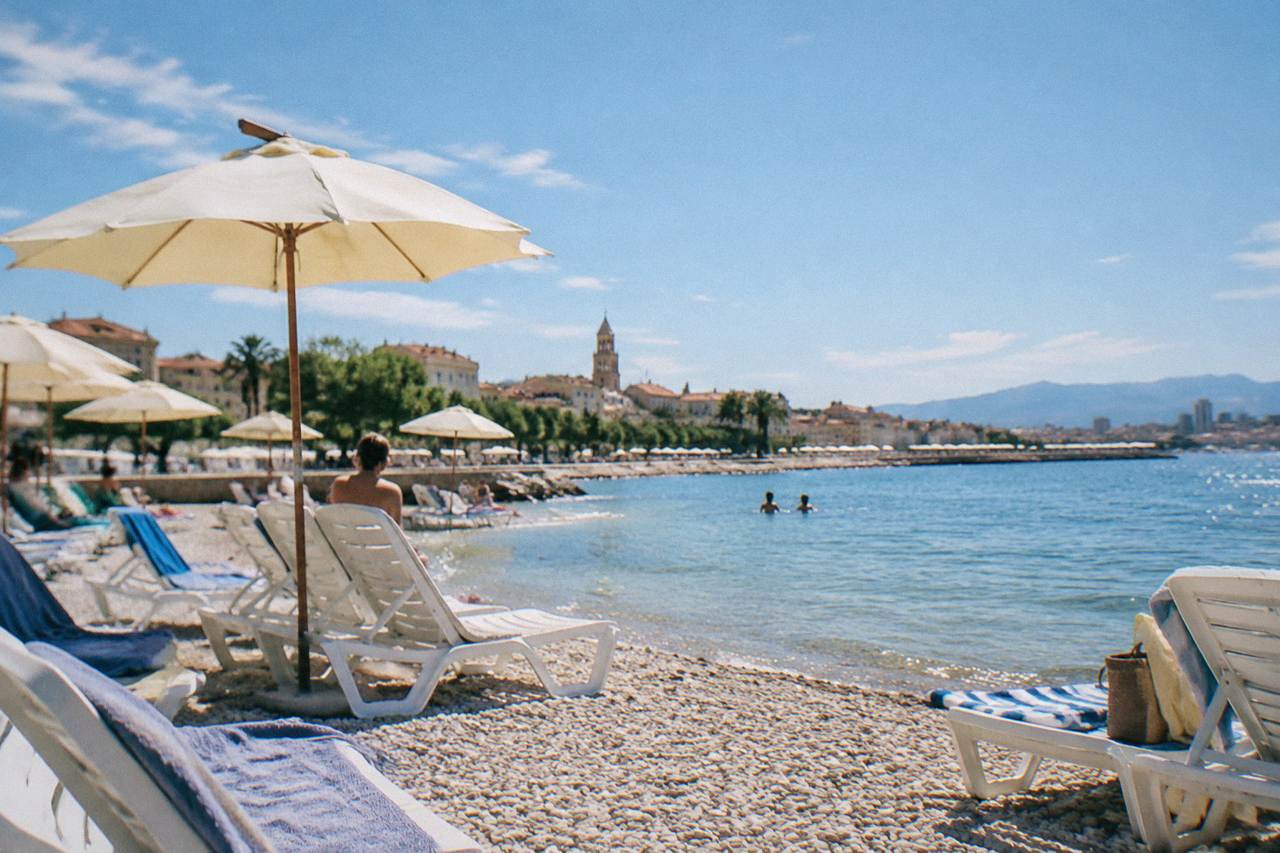
Split's beach club scene clusters around three free city beaches: Bačvice, the sandy bay a short walk from the palace and the birthplace of picigin in 1908; Žnjan, the concrete-and-pebble shelf east of the centre lined with hospitality venues; and Kašjuni, the quieter pebble cove beneath Marjan on the road to the Marjan park forest. No venue name, price list or minimum spend is held in a published source, so the honest answer names the areas, not the clubs. Each beach itself is free to enter, and each carries a different character that decides which club day suits you.
The beaches are public and free. That is the structural fact about a Split beach day: the sand or pebble is city-owned, and the venues beside it sell food, drinks, loungers and music on their own terms. What separates the three areas is atmosphere and access. Bačvice is the classic city beach, the home of picigin, the shallow-water ball game born there in 1908 and now protected intangible heritage of Croatia. Žnjan is where the larger terrace venues and event spaces sit, the stretch that hosts festival stages and late-summer crowds. Kašjuni trades buzz for setting, a pebble cove under pine with Marjan rising behind it.
The checks that matter are simple and are set out in the section on rules below.
| Beach area | Surface | Character | Getting there |
|---|---|---|---|
| Bačvice | Sand | City beach, picigin's home, closest to the Old Town | Short walk from the palace, near the ferry port |
| Žnjan | Concrete and pebble | Larger terraces, event and music venues | East of the centre along the coast road |
| Kašjuni | Pebble | Quieter cove, pine shade, under Marjan | Below Marjan on the southern side of the peninsula |
For the classic city-beach experience, see Bačvice beach in detail; for the calmer cove, start with the Kašjuni guide. If your beach day is really a swim-and-questions day, the page on swimming in the sea at Split covers the season.
Where Does Each Beach Area Sit, And Which Suits You?
Bačvice sits closest to the historic core and suits anyone who wants the beach minutes from the palace; Žnjan sits east of the centre and suits a louder, terrace-based club day; Kašjuni sits beneath Marjan's southern slope and suits readers who want calm water, shade and a view with fewer speakers. The three are not interchangeable, and choosing between them is the first decision of the day. None charges for entry, and each is on the public transport and walking network of the city.
Bačvice is the beach Split residents identify with. It is the bay where picigin has been played since 1908, a game played in shallow water with a small ball, and the beach's protected status as heritage tells you the bay itself is the attraction. The club-style venues around it serve the evening as much as the afternoon. Its shallow sandy entry suits families and anyone who wants an easy swim.
Žnjan is the stretch that grew around venue culture. Its terraces and event spaces host the festival end of summer, and when Ultra Europe fills Park Mladeži on 9 to 11 July 2027, the afternoons around Žnjan carry the party mood of that weekend. Expect concrete bathing platforms and pebble, not sand.
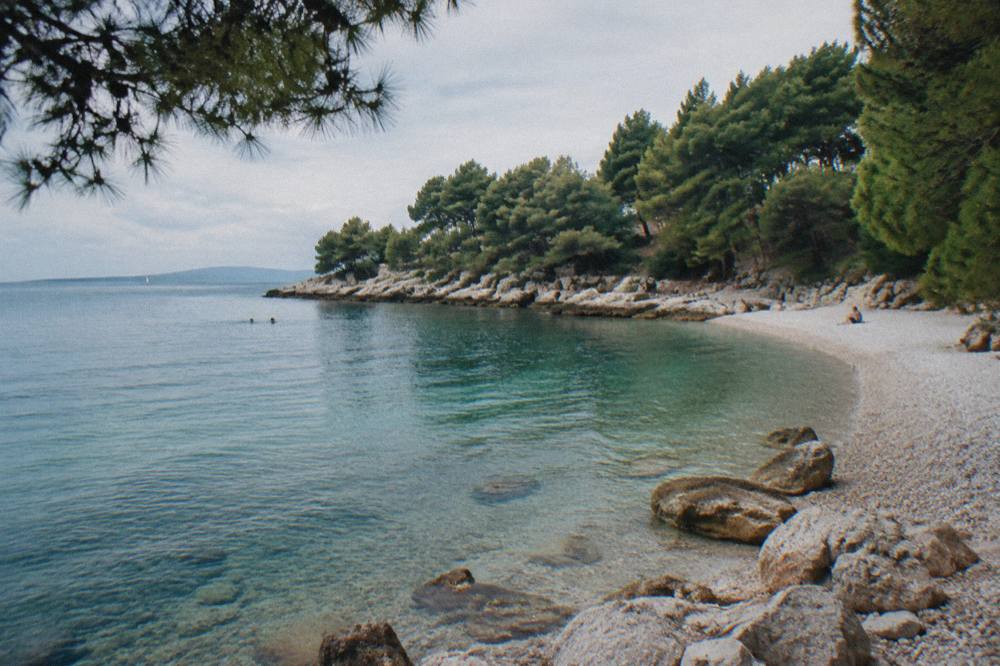
Kašjuni is the escape. Reached below Marjan, with the park forest above and the open sea in front, it is the beach for readers whose ideal club day is a lounger, a long lunch and a book. The Marjan hill guide covers the walks that end at this coast.
When the beach day needs to become something bigger, the operator listings are where the real decisions happen.
What Rules Apply Around Split's Beaches And Clubs?
Split fines public drinking in the historic centre at 300 EUR, urinating at 300 EUR, climbing on monuments or bathing in fountains at 300 EUR, vomiting at 300 EUR, sleeping in public spaces at 150 EUR and taxi touting at 300 EUR, and walking in swimwear or shirtless in the historic centre is also fined, with the amount set locally rather than published. Between 1 June and 15 September shops may not sell alcohol at night, a rule that repeats from 1 June 2027 unless changed. Beachwear belongs on the beach; the fine for wearing it in the centre is real even though its amount is not published.
The practical reading is this: the walk from Bačvice to the Old Town takes minutes, and crossing that line in a swimsuit is the single easiest way to collide with the rules. Dress before you leave the sand. Licensed terraces, which is what a beach club legally is, may serve alcohol; the night-time restriction targets shops and supermarkets, not bars, so a club evening is unaffected. Other pages covering the same trip are gathered on Split Croatia Travel Guide.
Shops and supermarkets cannot sell alcohol through the night in the summer window, so anything bought for a beach day needs to come from a licensed venue once the restriction bites. The public-order fines listed above come from the city's own published rules for the 2026 season.
Two more checks matter before money changes hands. Second, if a club sells itself on music or an event, check the listing for dates, since the venue calendar is the only authority on what runs when.
For readers who want the contrast case, the desk's page on what to avoid in Split lists the same rules in a wider context.
Which Months Give You The Best Beach Club Weather In Split?
July is the warmest month in Split at a mean of 26.2 C with only 26.6 mm of rain, followed by August at 25.9 C, and the DHMZ Split-Marjan station table for 1948 to 2024 records 18 days at 30 C or more in July and 17 in August, so midsummer is the reliable club season, while May at 19.2 C and September at 21.6 C suit readers who prefer it cooler. November is the wettest month at 115.5 mm, and that is the month to avoid for a beach plan. These are station means, not a forecast, and they are the numbers to plan around.
The seasonal shape is straightforward. Sunshine runs high through summer, with 353.3 hours in July against 120.8 in December. June sits at a mean of 23.4 C with 7 days at 30 C or more, which makes it a strong choice for readers who want heat without peak-July intensity. On sea temperature, no official monthly normal exists, so this desk prints none; a live reading from the DHMZ station is the only figure of that kind, and it changes daily.
| Month | Mean temperature (C) | Precipitation (mm) | Days at 30 C or more |
|---|---|---|---|
| May | 19.2 | 57.5 | 0 recorded in the station table |
| June | 23.4 | 49.0 | 7 |
| July | 26.2 | 26.6 | 18 |
| August | 25.9 | 41.3 | 17 |
| September | 21.6 | 70.9 | not tabled |
| October | 17.2 | 77.0 | not tabled |
Source: DHMZ Split-Marjan station, monthly means 1948 to 2024. The station table lists days at 30 C or more only for the summer months shown.
The timing question has a fuller answer on the best month to visit Split, and the whole climate picture sits in the seasonal guide linked from there. For a shoulder-season swim, check whether swimming is realistic in the month you have in mind before booking anything non-refundable.
What Can You Combine With A Beach Club Day In Split?
A Split beach morning pairs naturally with an afternoon elsewhere: the city's position puts Klis Fortress 22 minutes' drive from the palace, Salona 14 minutes, Trogir 36 minutes and the Cetina river around Omiš 38 minutes, all free-flow driving times computed from the palace, so a half-day on the sand and a half-day inland is a realistic single day without an overnight. The island routes sit just as close, with the ferry to Supetar on Brač taking about 50 minutes and the catamaran to Hvar town around the same order of time.
This is where the club day becomes a holiday. A morning at Bačvice or Kašjuni, lunch in the Old Town, then a late-afternoon drive to Klis Fortress for the view over the whole coastline is a pattern the geography of the city makes almost effortless. Readers who want structure rather than self-driving can book it instead, and the desk's one day in Split itinerary sequences the city half of that plan.
For a day fully away from the sand, the Mostar and Kravice day trip swaps the Adriatic for a river landscape and a historic bridge, and it is the trip this desk would flag for anyone whose beach afternoon leaves them wanting movement rather than another lounger. Check availability
The evening alternatives deserve a line too. Sunset from Klis Fortress is the pairing most often paired with a beach day in reader questions, and the listings carry the details of what each option includes. Whatever you book, the checks stay the same: confirm at booking what the price covers, confirm the meeting point, and keep the swimwear rule in mind for the walk back through town.
Common Questions About Split Beach Clubs
What Are The Best Beach Clubs In Split?
No verified venue list exists, so the honest answer is the areas: Bačvice for the classic city beach and picigin, Žnjan for the larger terrace and event venues, and Kašjuni for a quieter cove beneath Marjan. All three beaches are free to enter. Confirm venues, prices and minimum spends on the operator's live listing before you go.
Do You Pay To Get Onto The Beaches In Split?
No. Bačvice, Žnjan, Kašjuni, Firule and the other city beaches are free public beaches. What costs money is what the venues on and beside them sell: sunbeds, food, drinks and events. Prices are confirmed with each venue directly.
Can You Walk From The Beach To The Old Town In Swimwear?
No. Walking in swimwear or shirtless in the historic centre is fined under the city's public-order rules. The amount is set locally and is not published, so dress before leaving the beach area. The fines include 300 EUR for public drinking in the historic centre.
When Is The Beach Club Season In Split?
Midsummer is the reliable window. The DHMZ Split-Marjan station table for 1948 to 2024 gives July a mean of 26.2 C and August 25.9 C, with 18 days at 30 C or more in July. May at 19.2 C and September at 21.6 C suit readers who prefer it cooler, and November at 115.5 mm of rain is the wettest month.
Is There A Beach Club Scene In Split In Winter?
The beach year winds down with Advent in Split, which runs 27 November 2026 to 7 January 2027 with the ice rink at Đardin. Winter beach days exist, but the club venues operate reduced schedules at best, and the desk's page on Split in winter covers what actually runs.
Which Split Beach Is Best For Families?
Bačvice is the shallow, sandy bay closest to the centre and the home of picigin, the ball game protected as Croatian intangible heritage, which makes it the natural family choice among the three. Kašjuni is the quieter alternative. Confirm facilities with the venue, as no facility list is held in a published source.