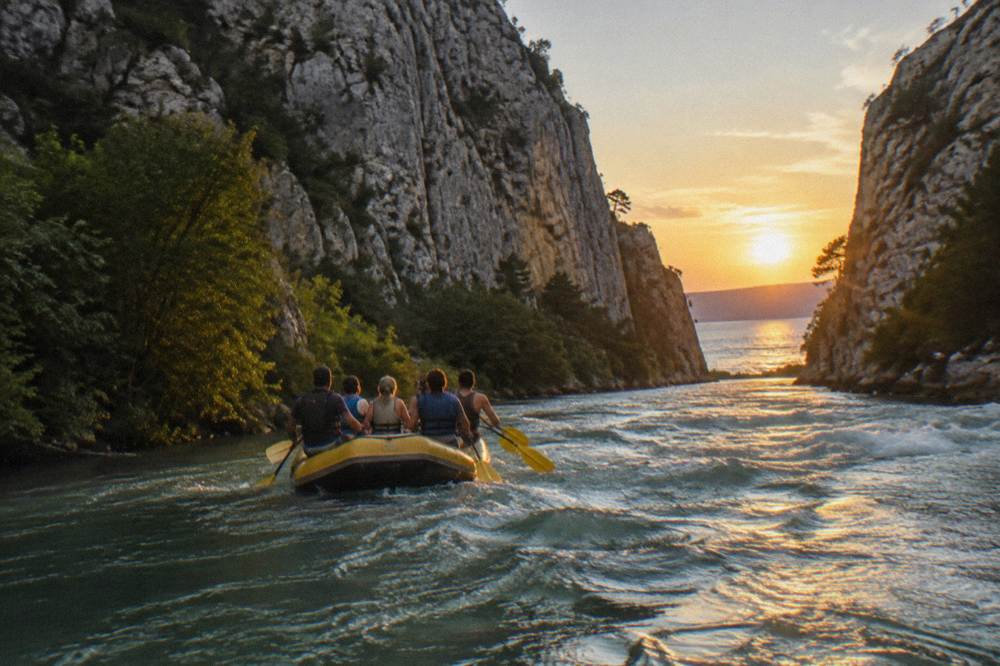
Cetina River Rafting
Cetina River rafting is the most bookable adventure day trip from Split, running down a limestone canyon to the pirate town of Omiš at the river mouth. This guide covers the route, the operators, the fortress above the town and how the day fits together.
Short answer
Cetina River rafting runs on the Cetina canyon, 25.5 km and about 38 minutes by car from Split's Diocletian's Palace, ending at or near Omiš. Trips book from Split with transfers, and the canyon also carries zipline and canyoning products. Mirabela fortress in Omiš costs 4 EUR, or 6 EUR from 1 June to 30 September.
The Cetina River cuts a limestone canyon through the Dalmatian hinterland behind Split before reaching the Adriatic at Omiš, a town 25.5 km and about 38 minutes by car from Diocletian's Palace. Rafting that canyon is the busiest adventure day trip on the Split mainland: operators run rafts, ziplines and canyoning routes along the same stretch of water, and the town at the mouth, with the Mirabela fortress on its rock, closes the day with swimming and lunch. This guide lays out what the river holds, how the trips work, what the entrance fees are and how to plan the day.
What Is Cetina River Rafting And Where Does It Start?
Cetina River rafting is a guided paddle descent of the Cetina canyon, the river that runs about 38 minutes by road from Split to the sea at Omiš. Trips pick up in Split, drive inland to the put-in point on the river, and run a calm-to-moderate stretch of water between rock walls that in places rise sheer above the rafts. No prior rafting experience is needed, and the operators supply helmets, life vests and guides.
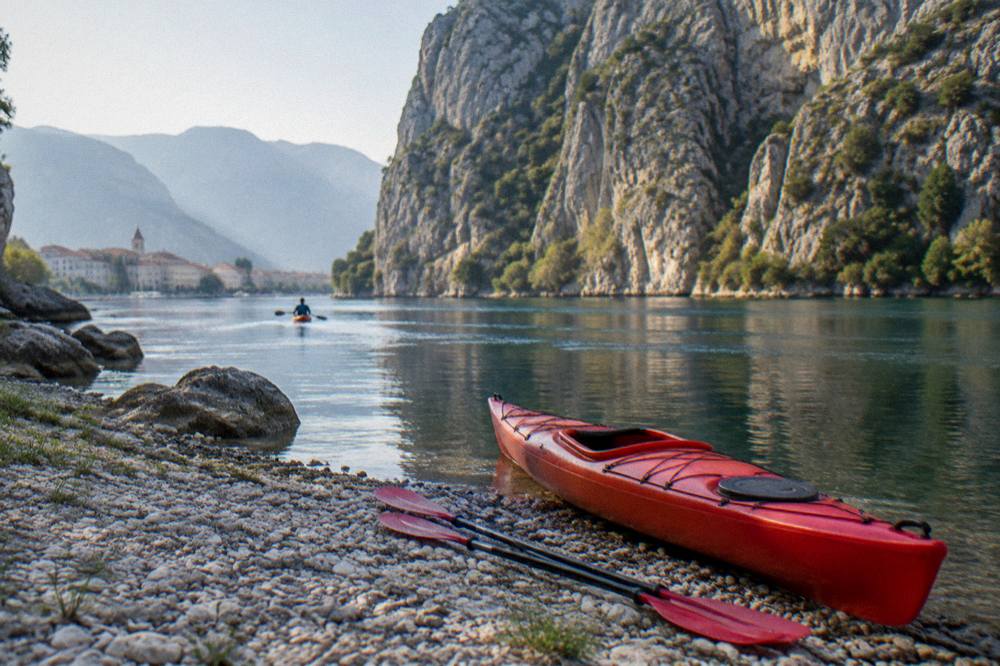
The river is the longest in central Dalmatia to reach the sea close to Split, and its final kilometres are the ones the trips use. The water is cool even in summer because it drains from the karst hinterland, and the canyon narrows until the rafts pass through gorges that feel far from the coast only half an hour's drive away. The run finishes downstream near Omiš or at a take-out above the town, depending on the operator and the water level.
What draws bookings is the mix. The descent is gentle enough for families in normal conditions, but it carries cliff-jumping stops, cave visits and swim breaks that make it more than a float. Several operators run the same river with different emphases: one trip pairs the paddle with a cave walk, another with a wine tasting, and the zipline and canyoning products use the canyon walls and side gorges rather than the main channel.
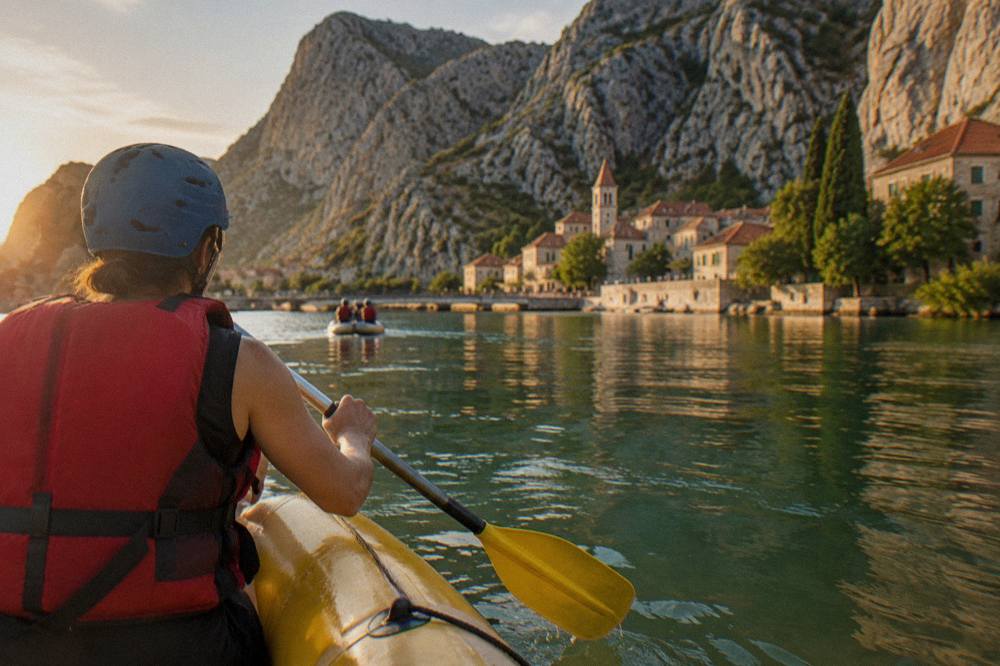
The town at the end matters too. Omiš sits where the Cetina meets the Adriatic, with the Mirabela fortress on a rock above the old streets and a sand-and-pebble river beach at the mouth. A rafting day from Split usually leaves the middle of the day free for that stretch of coast before the drive back.
How Do You Get From Split To The Cetina River And Omiš?
Omiš is 25.5 km from Diocletian's Palace, about 38 minutes by car in free-flowing traffic, on the coastal road south of Split. The rafting put-in points sit further upriver, so booked trips almost always include transfer from Split in the price, which removes the need to drive the canyon roads. Without a car, the coastal bus and booked transfers are the practical options.
Driving yourself is straightforward on the coast road, and a car also opens the Makarska Riviera south of Omiš if you want to extend the day. The canyon put-ins are on narrower inland roads through villages above the river, and parking there is limited, which is one reason the transfer-included trips dominate.
For readers comparing adventure day trips from the city, this site's overview of things to do in Split places the Cetina options against the island boat trips and the walking tours inside the palace. The river trips are the only ones of the group that take you into the Dalmatian hinterland rather than out onto the Adriatic.
The featured trip on this page, Rafting With Cliff Jump and Cave, covers the paddle with cliff jumping and a cave stop, and its listing carries the current price and departure details: Check availability
When Is The Best Time Of Year For Cetina River Rafting?
The rafting season on the Cetina runs from spring into early autumn, with July and August the busiest weeks because the coastal weather is at its warmest and the river water is a relief from the heat. The DHMZ Split-Marjan station table shows July means of 26.2 C and August 25.9 C, with 18 days at 30 C or more in July and 17 in August, which is exactly the weather that fills the rafts.
Spring brings higher water after winter rain, and the canyon is greener, though the river runs colder then. The DHMZ table gives November as the wettest month at 115.5 mm and July the driest at 26.6 mm, so late spring and early summer sit in a sweet spot of reasonable flow before the dry peak. Outside the warm months the trips thin out or stop, and the canyon's water temperature makes a wetsuit less optional.
One planning note on the shoulder season: October still averages 17.2 C at the Split station, warm enough for a river day in a wetsuit, and the town of Omiš is far quieter than in August. The trade-off is that operators reduce departures, so booking ahead matters more, not less.
| Month | Split Mean Temp (C) | Rainfall (mm) | Rafting Character |
|---|---|---|---|
| April | 14.4 | 62.0 | Higher water, cold river, few crowds |
| May | 19.2 | 57.5 | Good flow, greener canyon |
| June | 23.4 | 49.0 | Warm days, 7 days at 30 C or more |
| July | 26.2 | 26.6 | Peak season, 18 days at 30 C or more |
| August | 25.9 | 41.3 | Peak season, 17 days at 30 C or more |
| September | 21.6 | 70.9 | Warm sea, quieter river |
| October | 17.2 | 77.0 | Reduced departures, wetsuit weather |
Source for the temperature and rainfall columns: DHMZ Split-Marjan station, monthly means 1948 to 2024.
What Do You Actually See In The Cetina Canyon?
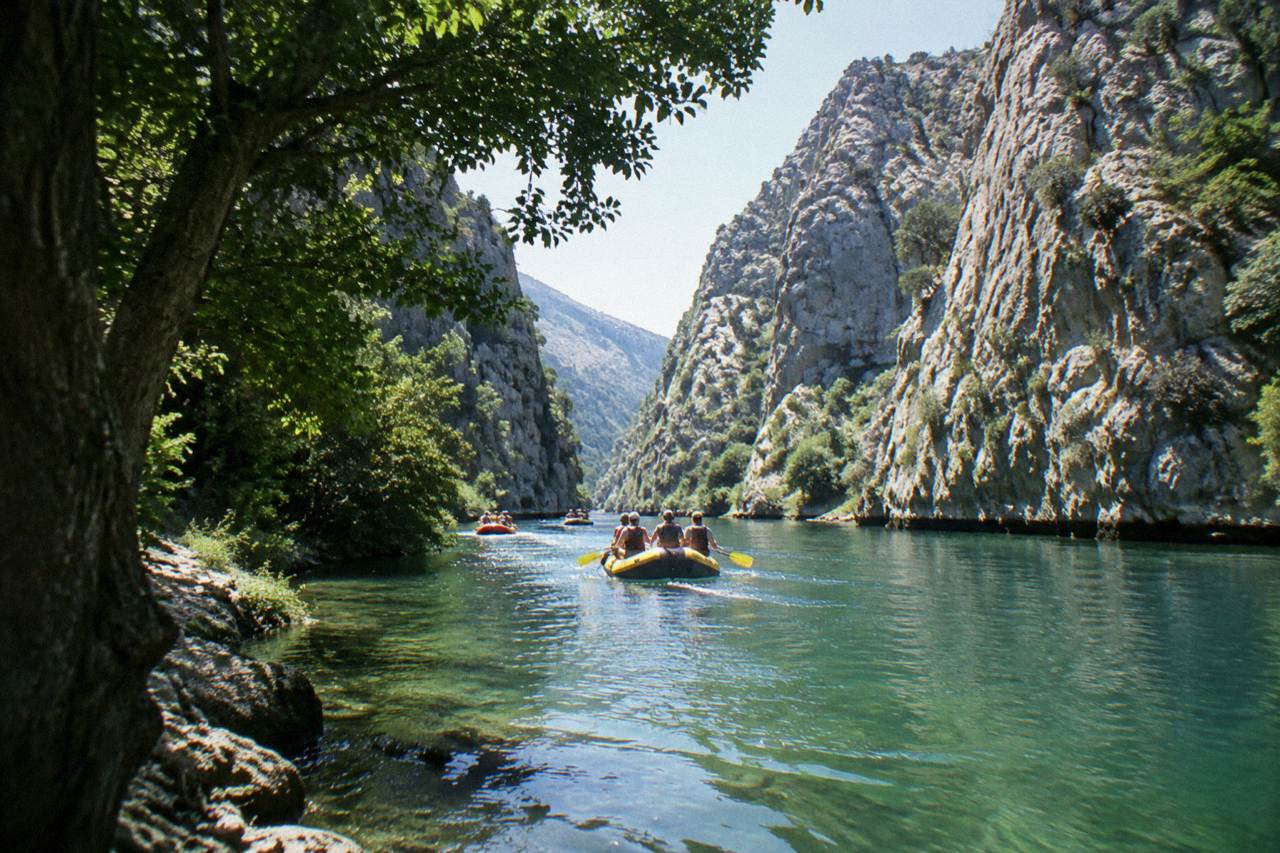
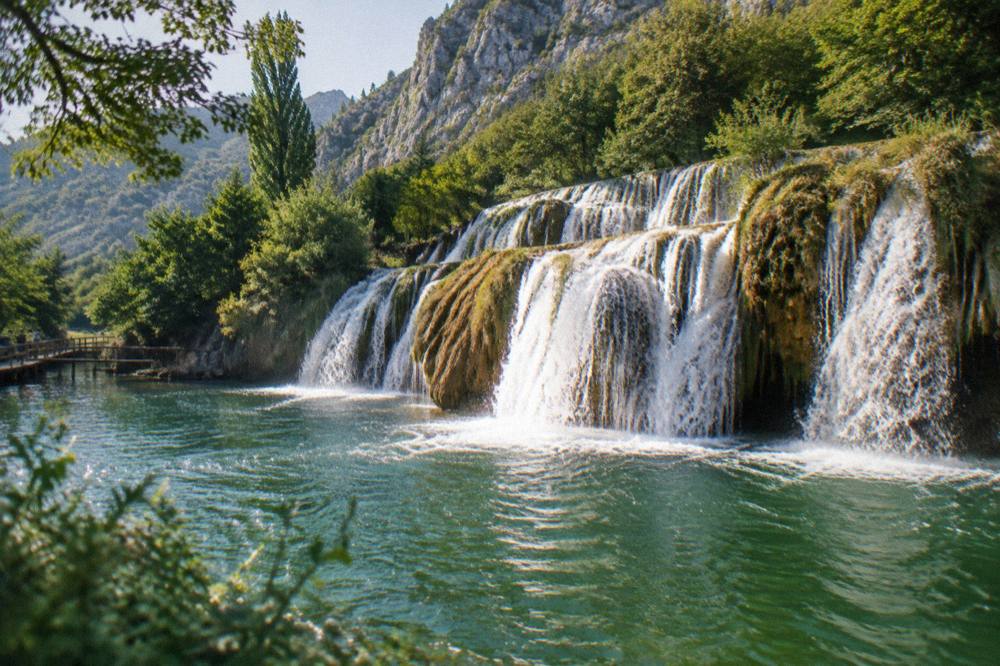
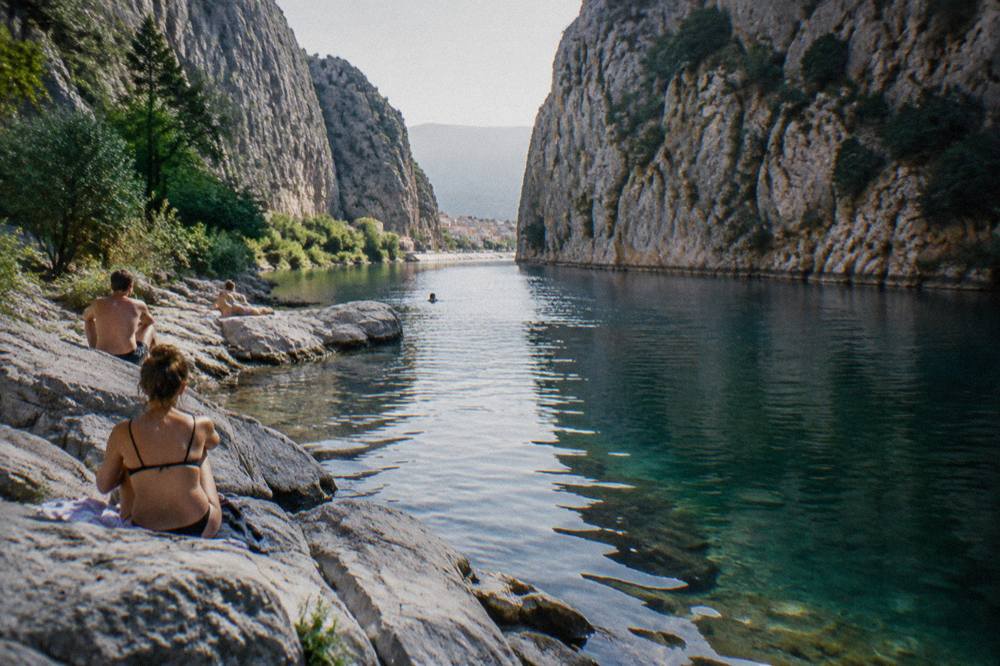
The canyon's highlights are sheer limestone walls, deep green pools, a cave system reachable from the riverbank, and the Gubavica waterfall area upstream, before the river widens toward Omiš and the sea. Trips stop at cliff-jumping ledges and swim spots along the way, and the canyon walls close in so tightly in the upper sections that only a strip of sky is visible from a raft.
The rock is the story. The Cetina has cut a gorge through karst, and the walls rise in vertical and overhanging faces that hold scrub pines on their ledges. Side gorges open off the main channel, and the canyoning products use one of these, with rappels and jumps into plunge pools away from the rafts. The zipline routes cross the canyon above the river, giving a view down onto the water the rafting trips run.
The caves matter to several trips. The best-known stop is a river-level cavern the paddle tours walk into with helmets and torches, and the listing for each trip says whether a cave visit is included. Upstream, the Gubavica waterfall marks the higher section of river, though which parts of the river a given trip runs depends on the operator and the water level on the day.
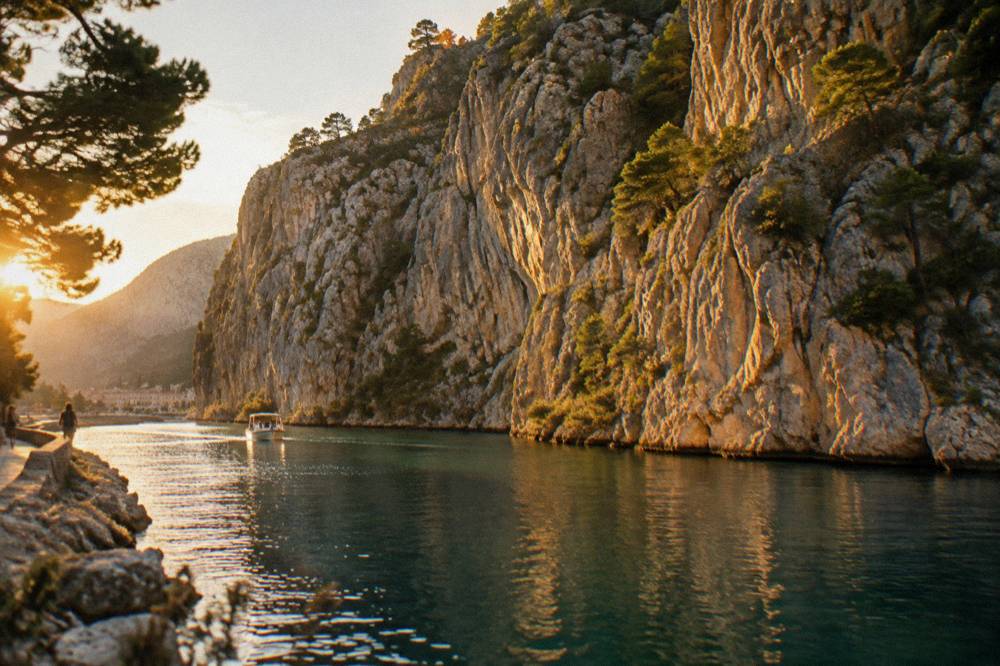
Downriver, the canyon opens. Vegetation thickens, the walls drop back, and the last kilometres run between reeds and shingle banks to the mouth at Omiš, where fresh water meets the Adriatic beside the town beach.
Which Cetina Trip Should You Book From Split?
The choice on the Cetina is between a rafting descent, a rafting trip paired with cliff jumping and a cave visit, a half-day paddle, extreme canyoning in a side gorge, and a zipline crossing above the canyon, all bookable from Split with transfers. The listing for each product shows its current price, rating and departure times, and the differences are in what happens between the paddling rather than in the paddling itself.
For a first visit, the combined rafting, cliff jumping and cave trip is the fullest single day on the water. It covers the canyon descent, adds the jump ledges and the cave walk, and suits swimmers and non-swimmers alike since the jumps are optional. Families with younger children usually do better on a straightforward paddle, and the listing states any age minimum.
Canyoning is the step up. Those products run in a side gorge with rappels, slides and committed jumps, and the listings carry the fitness and swimming requirements. The zipline, by contrast, keeps you dry: harnesses, cables across the canyon, and the river far below.
Prefer to stay dry while crossing the canyon? Book a Cetina Canyon zipline tour here.
The zipline option crossing the Cetina canyon from the Omiš side renders here, with its own price and rating on the booking page:
A shorter paddle-only alternative on the same river, with cliff jumping included, for readers who want a half-day on the water:
| Cetina Product Type | What It Involves | Water Contact | Where To Check Details |
|---|---|---|---|
| Rafting with cliff jumping and cave | Canyon paddle, jump stops, cave walk | Full | Operator's live listing |
| Half-day rafting | Shorter paddle with jump stops | Full | Operator's live listing |
| Extreme canyoning | Side gorge, rappels, slides, jumps | Full, sustained | Operator's live listing |
| Zipline | Cable crossings above the canyon | None | Operator's live listing |
| Quad safari with swim stop | Hinterland tracks, picnic, swim | Partial | Operator's live listing |
What Is There To Do In Omiš After The Rafting?
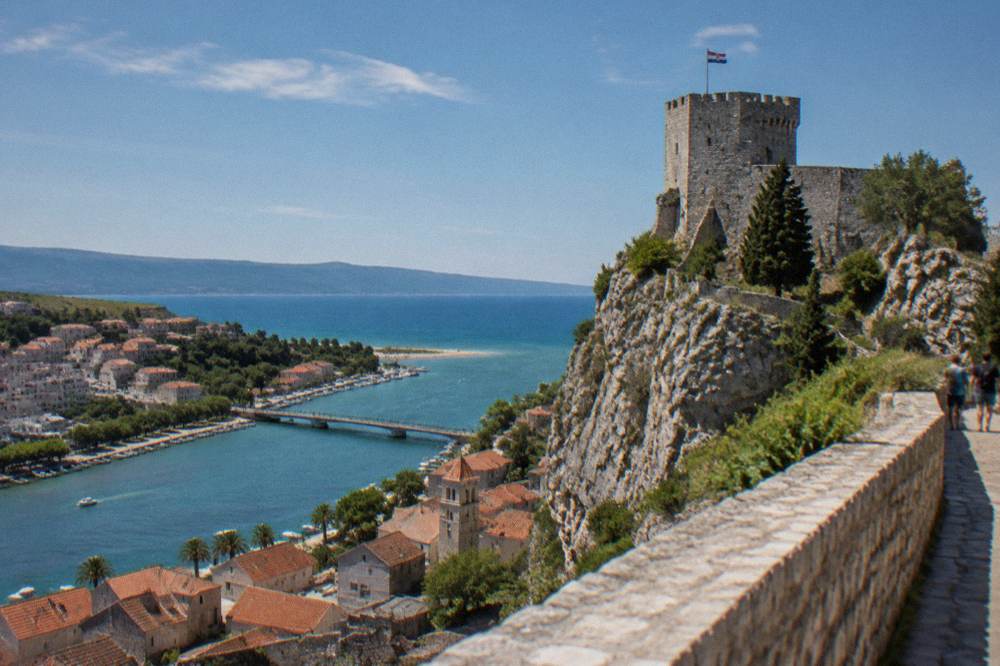
Omiš's headline sights are the Mirabela fortress above the old town, entry 4 EUR, or 6 EUR from 1 June to 30 September per the city's 2026 decision, and the river beach at the Cetina mouth, plus a small walled core of stone lanes between them. The fortress climb takes minutes and pays back with the view over the river delta and the coast.
Mirabela is the town's signature. A fortified tower on a rock directly over the old streets, it is reached on foot from the centre, and the 2026 city decision sets the 6 EUR summer rate for the period 1 June to 30 September and 4 EUR the rest of the year. The view from the top takes in the canyon mouth, the river delta and the long beach south of town. The wider set of guides lives on Split Croatia Travel Guide.
The old core deserves the walk between fortress and river. Narrow stone lanes, small squares and restaurants selling Dalmatian grills sit within a few minutes of the water, and the prices here are generally softer than on Split's Riva, though menus vary and posted prices are the check worth making before sitting down.
South of town, the beach runs for kilometres toward the Cetina's gravel delta at the mouth, where the river water is cold and the sea warm a few steps away.
Can You Combine The Cetina With A Longer Day Trip?
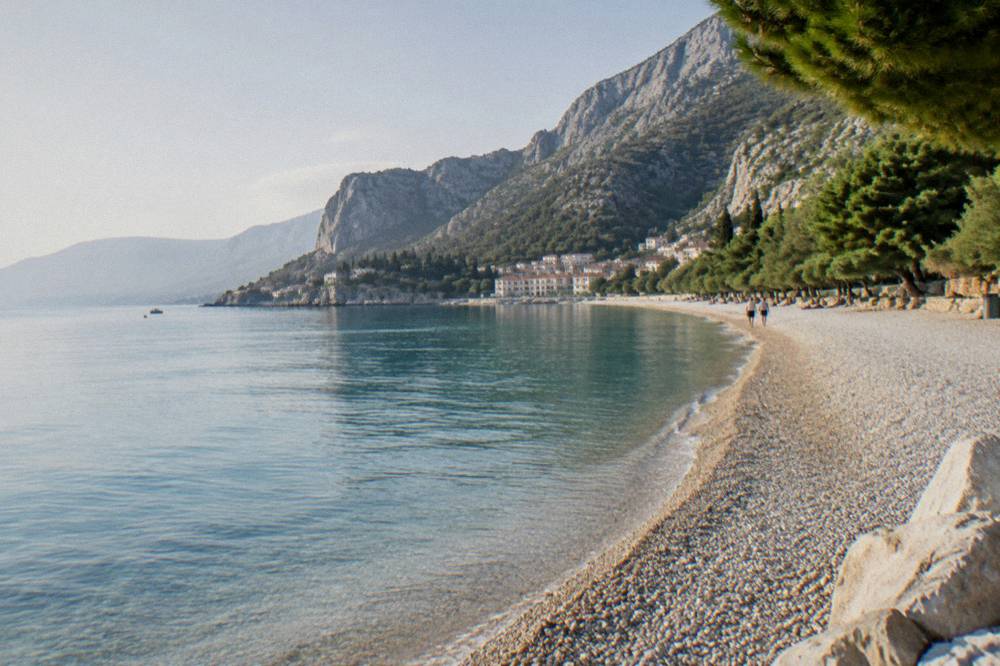
The Cetina sits on the same coastal corridor as Makarska to the south, 86.1 km and about 75 minutes from Split by car, and the canyon start is on the road inland toward the hinterland, so a self-drive day can pair a morning paddle with an afternoon on the Makarska Riviera or a stop in Omiš itself. Booked tours keep to the river and the town, and the longest products are the full canyoning days.
With a car, the geography works in your favour. The put-ins are above Omiš, the take-out is near town, and the coast road south continues to Makarska under the Biokovo range. A morning rafting departure followed by lunch in Omiš and an afternoon drive to Makarska is a full but feasible day in summer daylight.
Readers weighing the Cetina against the two national park day trips from Split can compare Krka National Park and Plitvice Lakes: those are walking and waterfall days at about 74 minutes and about 3 h 15 of driving respectively, while the Cetina is the active-water day closest to the city.
The town pairs well culturally too. Trogir, a UNESCO-listed old town 29.3 km and about 36 minutes in the other direction from Split, is covered in the site's Trogir guide, though combining Trogir and the Cetina in one day is tight because they sit on opposite sides of Split.
What Should You Wear And Bring For Rafting The Cetina?
Bring a swimsuit, a dry change of clothes, secure footwear that can get wet, sunscreen and a towel, and wear the wetsuit the operator provides when the listing or the guide requires it. Helmets, life vests and paddles come with every trip, and valuables are best left in Split or locked in the transfer vehicle rather than carried in the raft.
Footwear is the item people get wrong. Flip-flops are useless in a raft and on the rocky banks; trainers that can be soaked, or water shoes, hold on the shingle and the cave floor. In spring and autumn the river is cold enough that a wetsuit stops being optional, and the operators carry stock in a range of sizes.
For the cave stops, a dry layer for after the paddle is the practical item, since the walks are short but the wind in the canyon can be cool even after a hot day on the water. A waterproof phone pouch is worthwhile if you want photos, though several operators sell or lend dry bags and some trips carry a photographer whose images are sold afterwards; the listing states what each trip offers.
One non-obvious item: cash for Omiš. The Mirabela ticket and the small beach kiosks in town do not all take cards, so a note or two in euro saves the walk back to the centre.
How Does Cetina Rafting Compare With The Other Big Day Trips From Split?
The Cetina is the adventure-water day trip, the Krka runs are waterfall-and-swim park days, the Plitvice trip is the longest drive to the biggest lakes, and the island boat trips from Split are sea days with swimming stops, so the choice comes down to whether you want to paddle, walk or sail. All of them pick up in Split, and all of them are day-return.
The comparison that comes up in planning is Cetina rafting against Krka, since both involve water and both sit within 90 minutes of the city. The differences are real: Krka's price list is 7 EUR in January to March and November to December, 20 EUR in April, May and October, and 40 EUR from June to September, with swimming only in clearly marked areas, while the Cetina trips put you in the water by design. Krka is a park walk with a boat transfer; the Cetina is a paddle.
| Day Trip | Driving From Split | Character | Ticket Or Price Basis |
|---|---|---|---|
| Cetina rafting | 25.5 km, about 38 min | Active paddle, jumps, cave | Operator's live listing |
| Krka National Park | 90.2 km, about 74 min | Waterfall park walk, marked swimming | 7 / 20 / 40 EUR by season |
| Plitvice Lakes | 258.1 km, about 3 h 15 | Lakes, boardwalks, longest drive | 10 / 23 / 40 EUR by season |
| Trogir | 29.3 km, about 36 min | UNESCO old town, shortest trip | Confirm locally |
| Makarska | 86.1 km, about 75 min | Beach town under Biokovo | Free to wander |
For readers who want water but not a paddle, the site's coverage of Hvar and the Blue Cave and Vis trips lays out the sea alternatives. The Cetina keeps you on the mainland and in fresh water, which matters on days when the wind kills the island sailings.
Is Cetina River Rafting Safe For Beginners And Children?
The standard Cetina descent is graded as an easy to moderate run, guided, with helmets and life vests worn throughout, and operators state age and swimming requirements on their listings, so beginners are the core audience rather than the exception. The cliff jumps and cave walks are optional stops, and the guides set the lines and the landing points before anyone leaves the raft.
The conditions that change the picture are water level and weather. After heavy rain the river can rise and sections get bumpy, and operators adjust the route or the start point accordingly. In the dry weeks of July and August the flow drops and the run is at its calmest, which is also when the family bookings concentrate.
The practical safety checks are the ones any reader can make: read the listing's stated minimum age, confirm the operator provides helmets and vests, and say plainly at booking if anyone in the party is a weak swimmer. The guides run the river daily through the season and the stop lines are rehearsed, but the jumps in particular are always a choice, never a requirement.
Croatia's single emergency number is 112, and mobile coverage in the canyon is generally good on the main channel, though the narrowest gorges can drop signal for a few minutes at a time.
What Does A Cetina Rafting Day Cost Beyond The Trip Price?
The trip price covers the guiding, the gear and the transfer from Split, so the extra spend on the day is small: the Mirabela fortress ticket at 4 EUR, or 6 EUR from 1 June to 30 September, lunch in Omiš, and anything you buy on the beach. If you travel independently, the fuel and parking costs sit outside these figures, and no parking tariff is quoted here.
The fortress ticket is the one fixed entrance fee in the day. The city of Omiš's 2026 decision sets the summer rate of 6 EUR for 1 June to 30 September and 4 EUR otherwise, and the ticket is bought at the entrance to the climb. Fortica, the higher fortress, has no stated price, so confirm locally.
Lunch varies. Omiš's restaurants post their prices at the door, and the grills and fish plates run cheaper than equivalent seafront tables in Split, but the menu board is the only reliable guide. The river beach and the town's lanes are free to wander.
Where Does The Cetina Day Fit In A Longer Split Stay?
The Cetina trip is a half-day to full-day block that slots into any Split itinerary of three days or more, pairing naturally with a morning or afternoon of palace sightseeing on the same day or with a rest day either side, since the transfer each way is under an hour. The fortress climb and beach in Omiš add two relaxed hours if the day runs long.
For a short stay, the site's one day in Split itinerary keeps the palace and Marjan in the city and leaves the Cetina out, which is the right call for a single day. From two days onward the river earns its slot: the two days in Split pattern gives one day to the Old Town and one to a day trip, and the Cetina is the closest adventure option on the board.
The longer the stay, the more the choice opens. Readers planning a week can alternate the Cetina with an island day such as Brač and Zlatni Rat and a park day, and the site's Split day trips overview ranks the options by driving time and season.
Common Questions About Cetina River Rafting From Split
How Far Is The Cetina River From Split?
Omiš, at the river mouth, is 25.5 km from Diocletian's Palace, about 38 minutes by car in free-flowing traffic. The rafting put-in points sit further upriver, and booked trips include the transfer from Split.
Is Cetina River Rafting Suitable For Beginners?
Yes. The standard descent is guided, easy to moderate, and run with helmets and life vests throughout. The cliff jumps and cave stops are optional, and each listing states its minimum age and swimming requirement.
What Should You Wear For Rafting The Cetina?
A swimsuit, secure footwear that can get wet, sunscreen and a towel. Operators provide helmets, vests and wetsuits when conditions require them, and a dry change of clothes for after the paddle is the one item worth carrying.
How Much Does Mirabela Fortress In Omiš Cost?
Mirabela costs 4 EUR, or 6 EUR from 1 June to 30 September, under the city of Omiš's 2026 decision. The ticket is bought at the entrance, and cash is the safer assumption for the small kiosks in town.
Can You Swim In The Cetina River?
Swimming is part of the rafting trips, with stops at safe points chosen by the guides, and the river beach at the mouth in Omiš is a free swim spot where fresh water meets the sea.
When Is The Rafting Season On The Cetina?
Trips run from spring into early autumn, with July and August the peak weeks. Spring carries higher, colder water, and by October departures thin out and a wetsuit becomes standard, so book ahead in the shoulder months.
The Cetina canyon gives Split the one thing the islands cannot: a river to paddle, inside a gorge, half an hour from the palace. Book the trip with the cave stop if it is your first descent, climb Mirabela while your clothes dry, and let the evening run long on the river beach at Omiš.