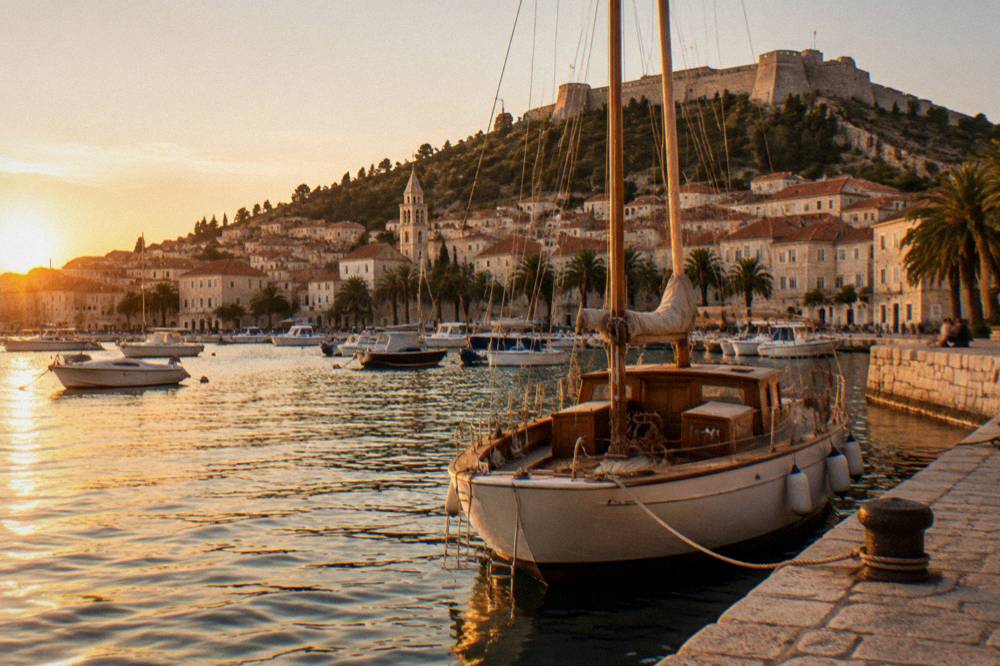
Hvar Day Trip From Split
Hvar Town sits on an island about two hours from Split by sea, and a day trip there means choosing between a car ferry, a catamaran or an organized boat tour. This guide lays out the crossings, the costs and what is worth seeing once you land.
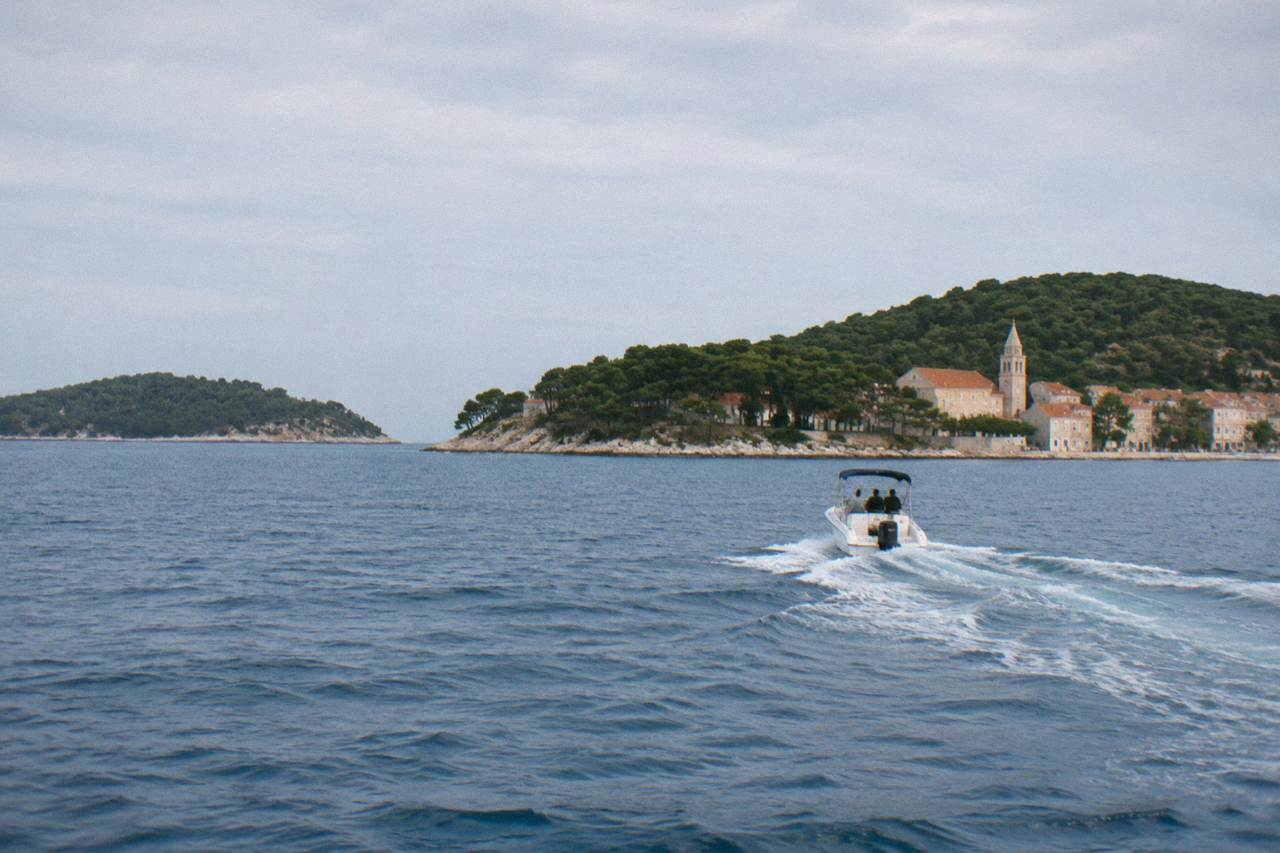
Short answer
Take the catamaran from Split directly to Hvar Town (about 6.40 to 10.00 EUR on foot) or the line 635 car ferry to Stari Grad, then a bus or taxi to Hvar Town. Organized tours from Split bundle the boat ride, island stops and swimming, with prices shown on the operator's live listing.
Hvar Town is one of the islands that sit off Split, the coastal city in Dalmatia on the Adriatic, and reaching it is a genuine decision: a catamaran lands you in the town itself, the car ferry lands you in Stari Grad at the other end of the island, and an organized speedboat or cruise turns the crossing into the day's main event. Jadrolinija's route pages show the car ferry and the catamaran schedules, the Port of Split's own page records 6.05 million passengers in 2025, and a share of that traffic moves across to Hvar every day in season.
How Do You Get From Split To Hvar For A Day Trip?
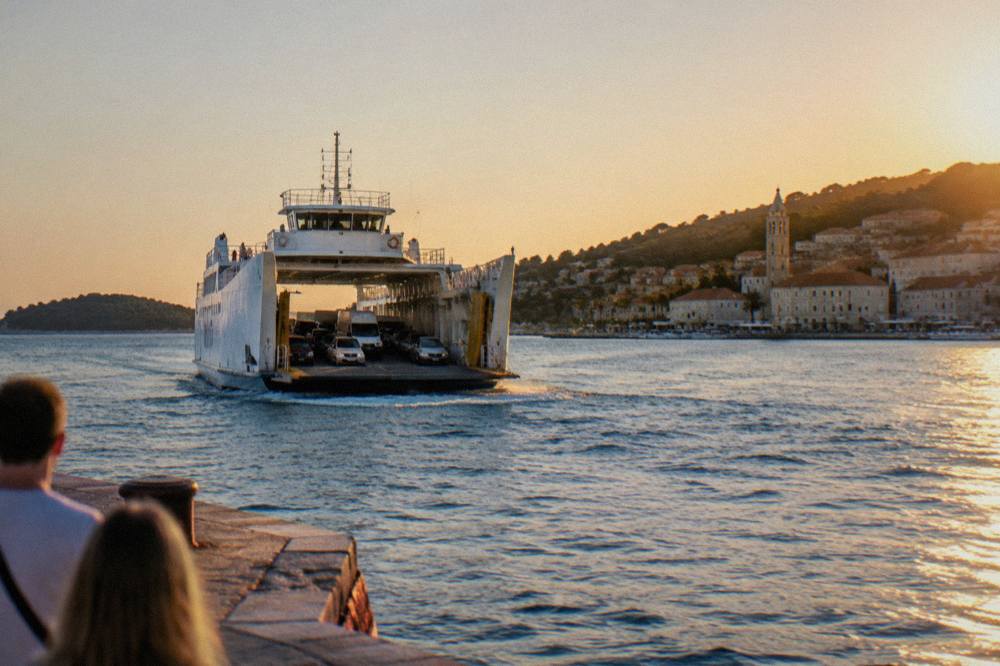
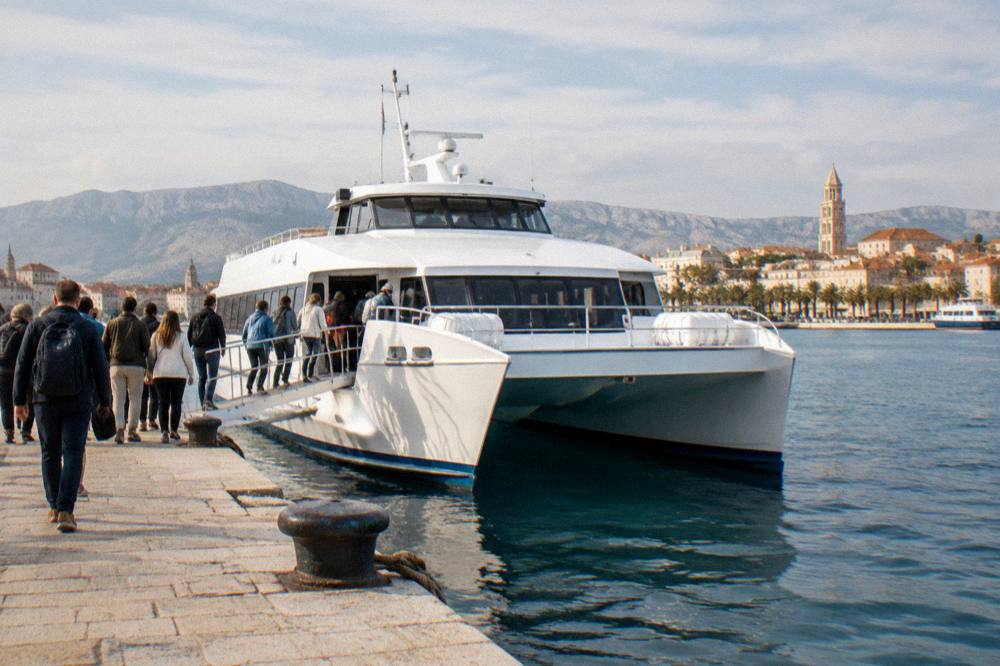
There are two public crossings from Split: the catamaran, which stops directly in Hvar Town, and the line 635 car ferry, which lands in Stari Grad at the north of the island, about 120 minutes from Split. Hvar Town itself has no car ferry link, so foot travellers who want to arrive in the centre take the catamaran, while anyone bringing a vehicle lands in Stari Grad and drives or takes a local bus south.
To plan your crossing from Split to Hvar, book a ferry or catamaran ticket here.
The distinction between the two ports is the single detail that trips up the day. Jadrolinija's route page for line 635, Split to Stari Grad, is the car ferry: the crossing takes about 120 minutes, a foot passenger pays 5.90 EUR off-season and 8.40 EUR in season on the fares published in the operator's price list. Catamaran line 9602 runs Split, Milna, Hvar and Vis, and line 9603 runs Split, Bol, Stari Grad and Jelsa: the catamaran fare to Hvar Town or Jelsa is 6.40 EUR low season and 10.00 EUR high season per the operator's price PDFs. Kapetan Luka (Krilo), TP Line and Bura Line also run Split catamarans, and all three appear in the Port of Split's live departures feed.
The ferry port, the main bus station and the railway station sit together on Obala kneza Domagoja in Split, 500 to 600 m from Diocletian's Palace, so the walk from the Old Town to your departure gate is short. Catamarans are foot-passenger only and capacity is limited, which is why advance booking matters in July and August. The operator's own timetable decides everything from November to March, when sailings thin out, so check the live schedule before committing to a day trip. Our Split to Hvar ferry guide covers the ports, the tickets and the seasonal schedules in detail, and where the ferry from Split to Hvar arrives answers the port question directly.
| Crossing | Route | Typical time | Foot fare |
|---|---|---|---|
| Car ferry, line 635 | Split to Stari Grad | About 120 minutes | 5.90 EUR off-season, 8.40 EUR in season |
| Catamaran, line 9602 | Split, Milna, Hvar, Vis | Catamaran service to Hvar Town | 6.40 EUR low, 10.00 EUR high |
| Catamaran, line 9603 | Split, Bol, Stari Grad, Jelsa | Serves Jelsa and Bol | 6.40 EUR low, 10.00 EUR high to Hvar or Jelsa |
How Much Does A Hvar Day Trip From Split Cost?
The independent budget is two catamaran fares, at 6.40 EUR low season or 10.00 EUR high season each way, plus whatever you spend on the island, with the car ferry alternative at 5.90 EUR off-season or 8.40 EUR in season per foot passenger each way. An organized boat tour is a different product: the operator's live listings carry the price, the inclusions and the itinerary, and the tour pages on this site print those figures from verified listing data.
The self-guided maths is simple. The catamaran fare is published per direction, so a return day trip costs two of them at whichever seasonal rate applies on your travel date. The Fortica fortress above Hvar Town charges 12 EUR per adult on the Hvar tourist board's published fee list, and beyond that the town's square, its waterfront and its lanes cost nothing. Lunch prices vary; check posted menus, and confirm at booking anywhere you reserve. The tourist tax only applies to overnight stays, about 2.65 EUR per person per night in high season, collected by the accommodation, so a day tripper never pays it.
The tour route trades flexibility for convenience. A speedboat or cruise tour bundles the crossing, island stops such as the Pakleni islands, a swim break and often lunch, and the crew handles the timetable entirely. Where this site shows a tour price, it renders from verified listing data rather than being typed here, and the same applies to ratings and durations. As a comparison point for the day-trip budget overall, the Krka waterfalls trip with boat cruise and swimming covers a national park day with a boat leg of its own, and its listing shows what is included beside the from-price. Our Split on a budget guide works through the wider cost picture for the city.
| Item | Cost | Notes |
|---|---|---|
| Catamaran, Hvar Town | 6.40 EUR low, 10.00 EUR high | Per foot passenger, each way |
| Car ferry, Stari Grad (foot) | 5.90 EUR off-season, 8.40 EUR in season | Per foot passenger, each way |
| Fortica fortress, Hvar Town | 12 EUR | Hvar tourist board fee list |
| Hvar Town square and waterfront | Free | Open public space |
| Tourist tax | Not payable on a day trip | Applies to overnight stays only |
Which Hvar Boat Tours From Split Are Worth Booking?
Organized Hvar tours from Split divide into three shapes: the speedboat island-hopping trips that reach the Blue Cave and stop in Hvar Town, the slower full-day cruises to Hvar and the Pakleni islands with lunch and drinks, and combined coastal tours that add Brač or Šolta. The operator's live listing carries the current price, rating and schedule for each, and every figure below renders from that verified listing data.
The choice between them is a choice about the sea day you want. The speedboat format packs several islands into one crossing and suits travellers who want the Blue Cave, a swim stop and Hvar Town in a single loop. The cruise format spreads the day more gently, with a longer Hvar Town stop and lunch served on board. Family groups and anyone sensitive to open-water speed tend toward the cruise; travellers chasing the maximum number of stops tend toward the speedboat.
The catamaran cruise to Hvar and the Pakleni islands is the slow-day option: Check availability on the operator's live listing to see what the fare covers. For the island-hopping format, the Blue Cave, Mamma Mia and Hvar speedboat tour is the established name in the category, and its tour page on this site shows the itinerary and listing figures. The Hvar, Brač and Pakleni islands cruise adds a Brač stop with lunch and drinks, and departs from both Split and Trogir.
One practical note: sea conditions decide the Blue Cave. When the wind is up, boats skip the cave entrance and the operators reroute, so treat that stop as the first item a crew may drop and check the operator's weather policy before booking.
How Many Hours Do You Actually Get On Hvar?
A catamaran day trip gives you a block of roughly five to six hours ashore in Hvar Town, once the morning departure and the afternoon or evening return are subtracted, while a car ferry via Stari Grad eats into that with the transfer time between Stari Grad port and Hvar Town. An organized boat tour controls its own clock and typically builds a multi-hour Hvar Town stop between island and swimming legs.
The public-transport version rewards an early start. The first catamarans of the day land you in Hvar Town in time for a mid-morning coffee on the square, and a late-afternoon return leaves room for the Fortica, lunch and a swim. The ferry-and-bus version works but costs margin in the middle of the day, and if the connection is missed the itinerary compresses fast, so verify the last return sailing before you commit. Tour boats, by contrast, announce the Hvar Town stop time on the day; the crew works to the sea and the season.
Time of year matters as much as the timetable. In July, the DHMZ Split Marjan station table shows a mean of 26.2 C and 18 days at 30 C or more, so midday hours are for shade, water and slow lunches rather than climbing fortress stairs. In shoulder months the same day holds comfortable walking temperatures and thinner crowds. Our best time to visit Split guide works through the full seasonal picture for the city the boats leave from.
What Should You See In Hvar Town In One Day?
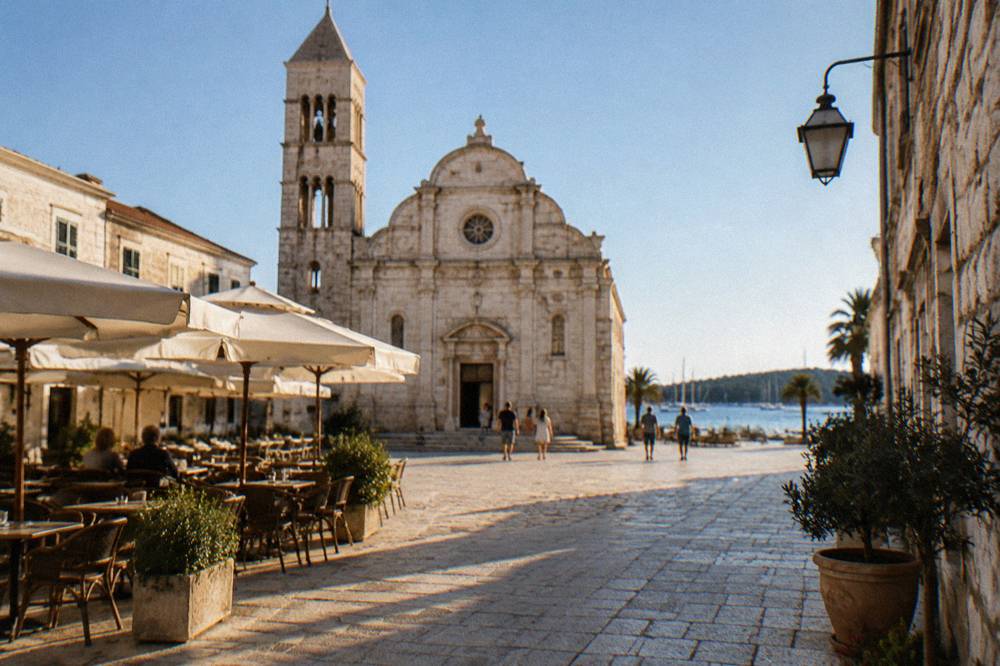
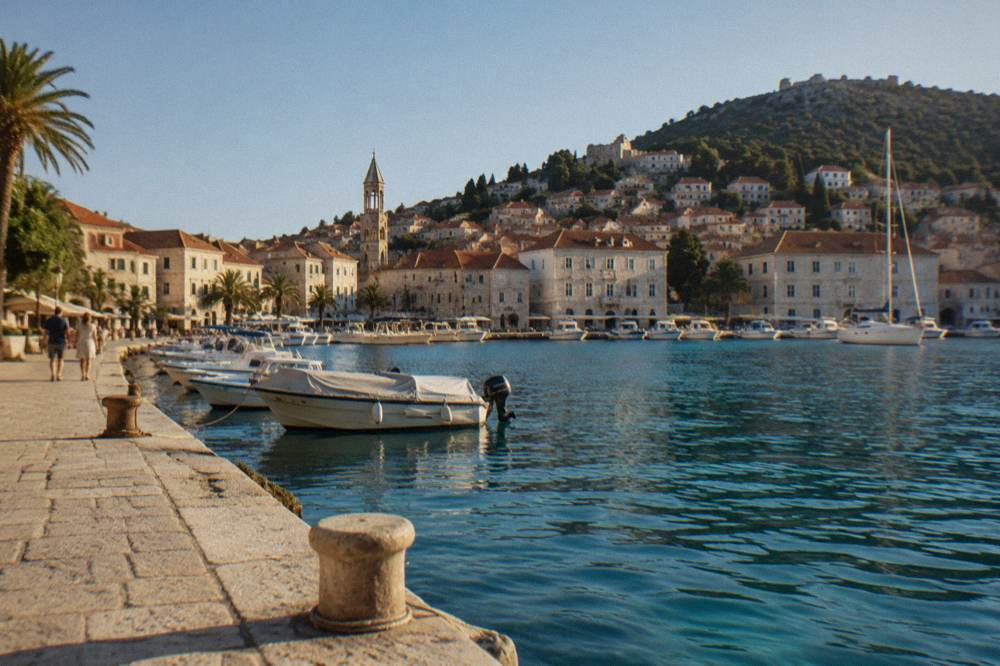
The priorities inside Hvar Town are the main square with its cathedral, the Fortica fortress above the town at 12 EUR entry, the waterfront and the lanes behind it, and a boat or swim stop among the Pakleni islands just offshore. Everything except the fortress and any optional museum entry is free to walk, and the town is compact enough that the walking core takes an hour or two.
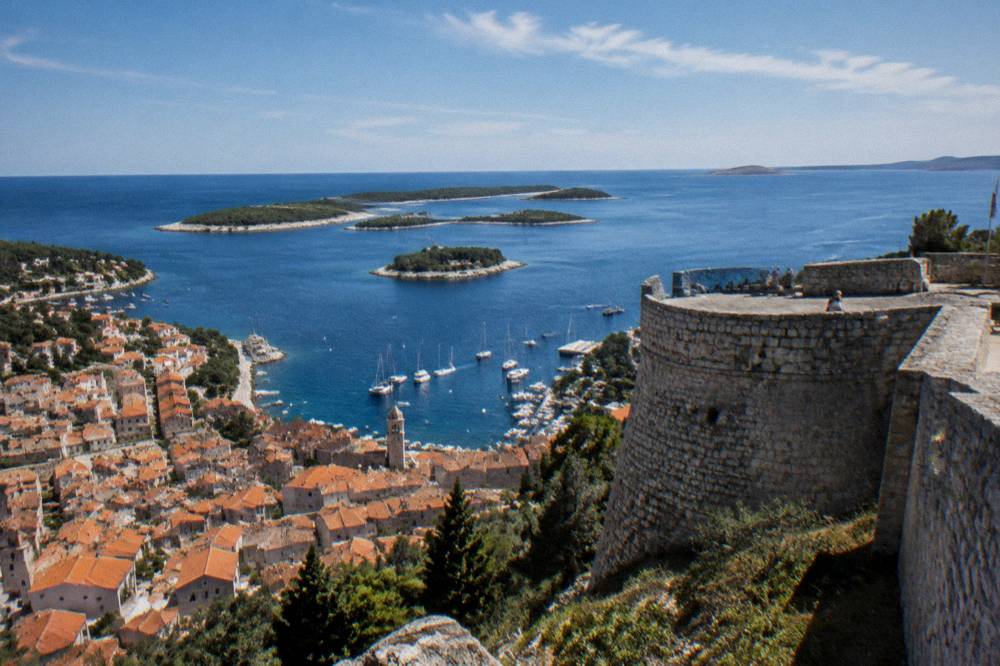
The Fortica, also called Španjola, sits above the town and is the one paid sight on the standard list; the Hvar tourist board's published fee list gives 12 EUR with hours from 9:00 to 20:00. Below it, the square opens onto the waterfront, and the stone lanes behind climb toward the fortress path. The Pakleni islands sit directly across the water, reached by the small taxi boats that run from the riva in season; their timetable is a local matter, so confirm at the dock. More of these guides are collected on Split Croatia Travel Guide.
Swimwear has its own rule on this side of the crossing too. Hvar Town enforces its own standards around the square and the church, and the practical version of the rule is the same everywhere in Dalmatia: cover up off the beach. For the wider context, our pages on Split's Old Town and the Riva promenade cover the city end of the day.
| Sight in Hvar Town | Entry | Notes |
|---|---|---|
| Fortica (Španjola) fortress | 12 EUR | Hvar tourist board fee list, 9:00 to 20:00 |
| Main square and cathedral exterior | Free | Open public space |
| Waterfront riva and lanes | Free | Compact walking core |
| Pakleni islands taxi boats | Pay per crossing, confirm at the dock | Seasonal local service |
| Beaches near the town | Free | Swimwear covered away from the beach |
When Is The Best Month For A Hvar Day Trip From Split?
June and September are the strongest months for a Hvar day trip: sea and air temperatures sit high on the DHMZ Split Marjan station table, at 23.4 C and 21.6 C monthly means respectively, while the July and August peak brings 26.2 C and 25.9 C means, the thinnest crowd advantage and the fullest boats. The DHMZ Split Marjan station, over its 1948 to 2024 record, shows July as the driest month at 26.6 mm and November as the wettest at 115.5 mm.
The climate record for Split, which is where every Hvar boat departs, is a coastal Mediterranean one: the monthly mean climbs from 8.0 C in January to 26.2 C in July, and sunshine runs from 120.8 hours in December to 353.3 hours in July. A crossing in the warm months is usually calm-water sailing, but the summer winds can still rough up the channel and close the Blue Cave. Shoulder season crossings are calmer on average and the catamarans are easier to book. Winter sailings exist but are sparse, and the operator's timetable decides; never assume a year-round frequency. Our Split weather guide and Split in winter cover the off-season side.
| Month | Mean temp, DHMZ Split Marjan 1948 to 2024 | Precipitation |
|---|---|---|
| January | 8.0 C | 77.8 mm |
| March | 10.8 C | 63.2 mm |
| May | 19.2 C | 57.5 mm |
| June | 23.4 C | 49.0 mm |
| July | 26.2 C | 26.6 mm |
| September | 21.6 C | 70.9 mm |
| November | 12.7 C | 115.5 mm |
Hvar Or Another Island: Which Day Trip Suits You?
Hvar is the day trip for town life, a famous waterfront and the Pakleni islands, while Brač suits a beach-first day at Zlatni Rat, Vis and the Blue Cave suit a cave-and-remote-island day, and Šolta suits a quieter, closer crossing. From Split the crossings are all short: about 120 minutes by ferry to Stari Grad, about 50 minutes by ferry to Supetar on Brač, and about 60 minutes by ferry to Rogač on Šolta.
The island choice is really a mood choice. Hvar Town delivers the atmosphere: the square, the fortress, the boats. The Blue Cave and Vis day is the most weather-dependent and the longest on the water. Brač is the sand-or-pebble beach day, and Šolta is the low-key one. Trogir, which is not an island but sits on its own small island in the channel, is 36 minutes by car from the palace and pairs easily with a Split morning. Our day-trip pages on Brač and Zlatni Rat, the Blue Cave and Vis and the Blue Lagoon and Šolta break each crossing down.
| Day trip destination | Crossing or drive from Split | Character |
|---|---|---|
| Hvar Town | Catamaran direct; ferry to Stari Grad about 120 minutes | Town, fortress, waterfront, Pakleni islands |
| Stari Grad, Hvar | Car ferry line 635, about 120 minutes | Historic small port at the island's north |
| Supetar, Brač | Ferry line 631, about 50 minutes | Beach day base, Zlatni Rat further along |
| Rogač, Šolta | Ferry line 636, about 60 minutes | Quiet island, fishing villages |
| Trogir | 36 minutes by car from the palace | UNESCO historic town on its own islet |
What Should You Pack And Know Before The Crossing?
Pack for sun, sea and a covered-up town visit: swimwear, a dry layer for the fast-boat wind, sun protection, cash for the Blue Cave entry if your route includes it, at 24 EUR in high season and 18 EUR in shoulder season paid in cash on site, and clothing that covers shoulders for churches. Croatia uses the euro, the emergency number is 112, and the country has been in the Schengen area since 1 January 2023.
The cash point matters. The Blue Cave fee is collected on site in cash, and small island vendors and taxi boats are not guaranteed to take cards. Footwear matters too: fortress paths and stone lanes are slippery when wet. On board a speedboat, spray is normal, so keep electronics in a dry bag and accept that the crew's instructions about where to sit are about weight distribution rather than ceremony.
For the crossing day's start, the Split cruise port day guide is written for travellers whose ship docks in Split, and one day in Split works for anyone adding a city day before or after the island. If the weather turns, the rainy day in Split itinerary reroutes the day toward museums and the palace interior, and a cancelled sailing is the moment to use it.
Can You Do Hvar Justice Without A Tour At All?
Yes: the independent version works well in the shoulder months, when a walk-up catamaran ticket to Hvar Town, a day of the square, the Fortica at 12 EUR and a Pakleni taxi boat add up to a complete day for the cost of transport plus lunch. In July and August the calculation changes, because catamaran seats sell out and the tour boats guarantee yours.
The trade is control against certainty. Independent travel lets you set your own return time, linger over lunch and skip anything that does not appeal, and the published fares make the budget transparent. The tour version removes the booking risk, folds several islands into one day and puts a crew between you and every timetable decision. Families with small children and anyone prone to seasickness lean independent or cruise-format; travellers who want the Blue Cave almost always end up on a tour, because the cave's boat entry is organized from the visiting vessels. Our Split day trips overview ranks the full menu of destinations, and is Hvar nicer than Split addresses the split-stay question directly.
For contrast, the Krka waterfalls trip with boat cruise and swimming is the same shape of decision applied inland: Check availability to see the current listing. The national park's own price list shows the seasonal gates clearly, 7 EUR in the January to March and November to December window, 20 EUR in April, May and October, and 40 EUR from June to September, which makes the shoulder-month value case on its own.
What Do People Get Wrong About A Hvar Day Trip?
The recurring mistakes are confusing Stari Grad with Hvar Town, assuming the Blue Cave is guaranteed, treating the catamaran as a walk-on service in August, and underestimating how much of the day the crossing itself consumes. Hvar Town is a catamaran port; the car ferry lands at Stari Grad at the other end of the island, and mixing the two up costs hours.
The second error is calendar-based. Travellers arrive in late October expecting the full summer schedule and find a thinned timetable; the operator's own route pages are the authority, and no crossing should be assumed to run year-round. The third is dress: the town's core around the square and the churches expects covered shoulders, and swimwear belongs on the beach and the boat, not the riva. The fourth is time discipline on the return: the last catamaran of the day does not wait, and a missed sailing turns a day trip into an unplanned overnight, with the tourist tax and a peak-season room price to match. For what to avoid more broadly, our what to avoid in Split page lists the classic missteps at the departure end.
Is A Hvar Day Trip Or An Overnight Stay The Better Plan?
A day trip delivers Hvar Town's core, the Fortica, the square, the waterfront and a Pakleni stop, in a single, well-planned day from Split, while an overnight stay buys the evening the day tripper never sees, when the excursion boats leave and the town quiets. The overnight version adds about 2.65 EUR per person per night in high-season tourist tax, collected by the accommodation and confirmed at booking.
The honest framing is that a day trip samples Hvar and an overnight absorbs it. The town's evening personality, the dinner tables on the square and the walk down from the Fortica at dusk, sits outside the day-trip window, and the Split vs Hvar comparison works through where to base a longer trip. For a one-day visit, though, the arithmetic favours the crossing from Split: the transport hub on Obala kneza Domagoja is 500 to 600 m from the palace, the catamaran is direct, and the island gives up its headline sights inside a single afternoon. If the overnight option wins, our where to stay in Split page covers the city nights on either side of it.
Common Questions About A Hvar Day Trip From Split
How long is the ferry from Split to Hvar?
The line 635 car ferry from Split to Stari Grad on Hvar takes about 120 minutes on Jadrolinija's route page. Hvar Town is reached by catamaran rather than car ferry, on lines 9602 and 9603, which call at Hvar Town, Jelsa and other island ports.
Can you do Hvar as a day trip from Split?
Yes. The catamaran lands directly in Hvar Town and gives a block of roughly five to six hours ashore on a standard day-trip pattern, and organized boat tours build a multi-hour Hvar Town stop between island and swimming legs.
What is the cheapest way to get to Hvar from Split?
On foot by public crossing. The catamaran to Hvar Town costs 6.40 EUR low season and 10.00 EUR high season each way, and the car ferry to Stari Grad costs 5.90 EUR off-season and 8.40 EUR in season for a foot passenger.
Do you need to book the Split to Hvar catamaran in advance?
In July and August, yes, catamaran seats sell out and capacity is limited. In shoulder months walk-up travel is usually straightforward. The operator's live timetable and booking channel is the authority in every season.
Is the Blue Cave included on a Hvar day trip?
On the speedboat island-hopping tours it is a headline stop, weather permitting, and the cave entry fee of 24 EUR in high season or 18 EUR in shoulder season is paid in cash on site. When the sea is rough, boats reroute and the cave is skipped.
What is there to do in Hvar Town in one day?
The main square and cathedral exterior, the Fortica fortress at 12 EUR entry, the waterfront riva, the stone lanes behind it, and a taxi-boat run to the Pakleni islands for a swim. Everything except the fortress is free to walk.
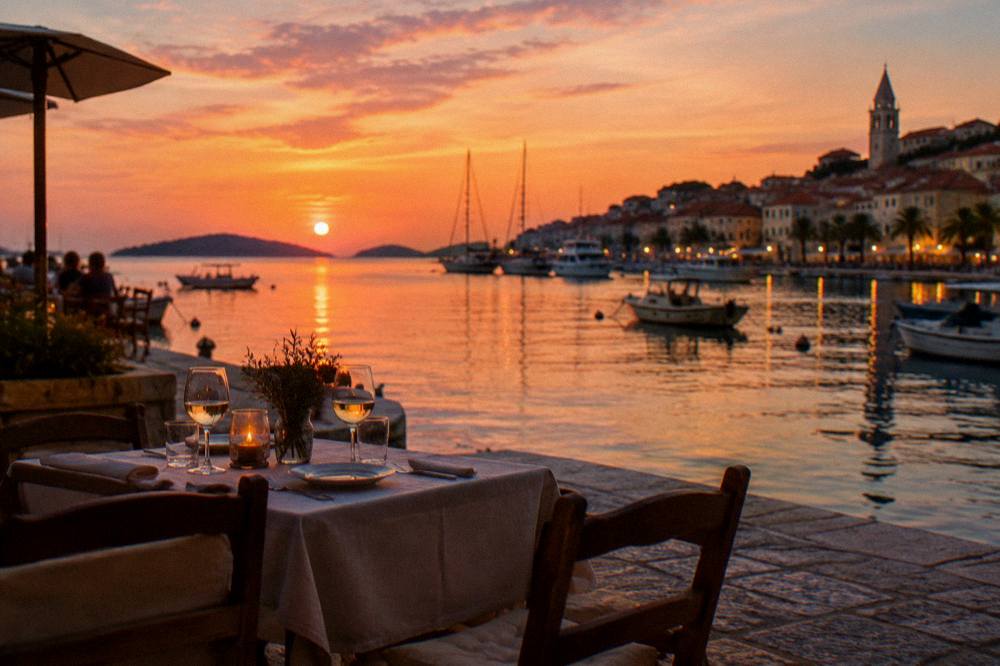
The crossing to Hvar is the day trip Split is built for: the boats leave from a port a short walk from the palace, the island answers with a fortress, a square and clear water, and every version of the journey, catamaran, ferry or guided tour, has a published fare or a live listing that tells you exactly what it costs before you step aboard. Choose the format that matches your clock, book the peak-season seat early, and keep the last departure time written down.