2 Days In Split
Two days is enough to cover Diocletian's Palace, Marjan hill and a swim at Bačvice, with room for one big day trip on day two. Here is a plan built from published ticket prices, ferry timetables and opening hours.
Short answer
Spend day one inside Diocletian's Palace, the Riva and Marjan hill, and day two on a boat trip or a Krka, Mostar or Klis excursion. Palace cellars cost 10 EUR, the City Museum 10 EUR, and the ferry port sits 500 to 600 m from the palace.
Two days in Split, the coastal city in central Dalmatia where the Adriatic meets a Roman palace, is enough to see the Old Town properly, climb Marjan hill for the view, swim at Bačvice and still take one full-day excursion to Krka, Mostar, Hvar or the Blue Cave. The city is compact: the ferry port, the main bus station and the railway station sit together on Obala kneza Domagoja, 500 to 600 m from Diocletian's Palace, so almost nothing on day one needs more than your own feet. This itinerary follows published figures, from the Split City Museum's price list to Jadrolinija's route pages, and it keeps day two flexible because the single biggest decision of a two-day visit is what to do outside the city.
Is Two Days In Split Enough?
Two days is enough for the palace, the Riva, Marjan hill, Bačvice beach and one day trip, which is the core of what Split offers. The Old Town sits inside Diocletian's Palace, the cathedral of St Domnius complex sells combined tickets up to about 15 EUR, and the palace cellars run by the Split City Museum charge 10 EUR. What two days does not allow is more than one excursion, so pick either a park or an island, not both.
That trade-off is the honest headline. The things to do in Split list is long, but the items cluster: the palace quarter, the seafront, Marjan, the beaches and the excursions. A weekend covers the first four comfortably. Readers weighing a third day can compare this plan against the three days in Split itinerary, which adds a second excursion and a slower rhythm.
Sorting out where to sleep for the weekend? Book a hotel in Split here.
The climate helps. The DHMZ Split-Marjan station table, covering 1948 to 2024, gives a July mean of 26.2 C and 18 days at 30 C or more in that month, so summer days start early, pause at midday and continue into the evening. Daylight is generous: July averages 353.3 hours of sunshine against December's 120.8 hours.
What Should Day One In Split Look Like?
Day one belongs to Diocletian's Palace, the Riva and Marjan hill, in that order: the palace in the morning before the tour groups arrive, the cathedral and bell tower around midday, lunch at the green market, Marjan hill in the late afternoon for the sunset, and the evening on the Riva. Everything on this list is within walking distance except Marjan's staircases, and 819 steps lead from Trumbićeva obala to the Telegrin summit at 178 m.
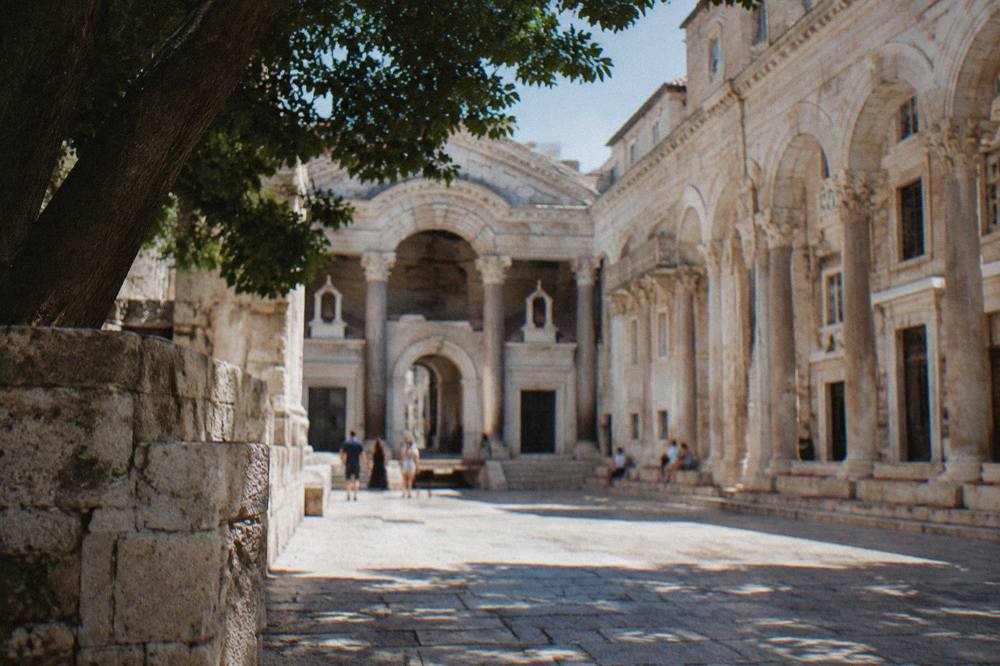
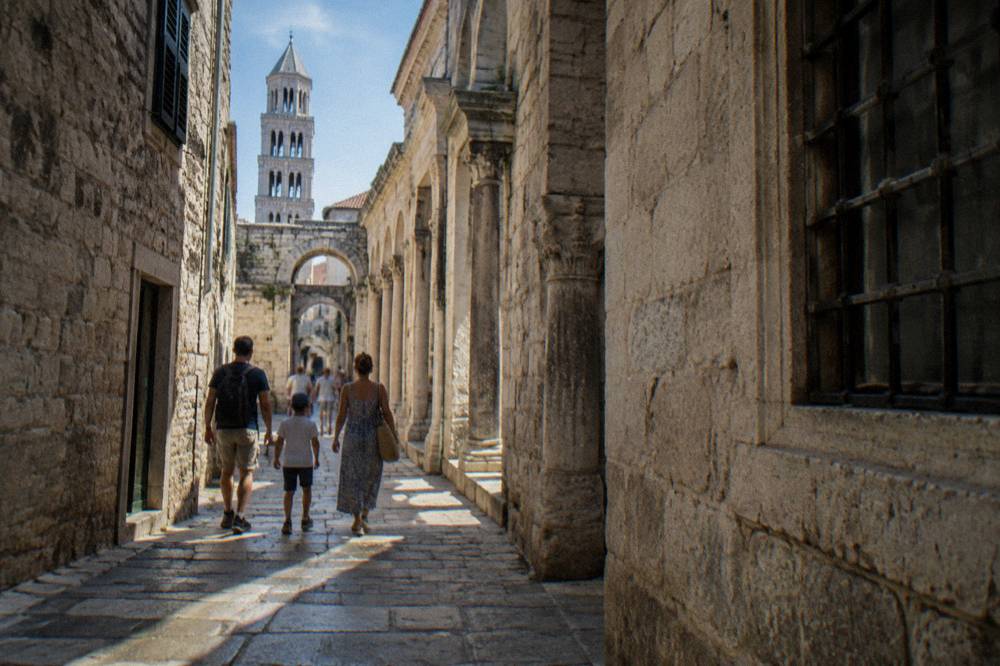
Start inside the palace walls. Diocletian's Palace, built c. 295 to 305 AD for the retired emperor and inscribed by UNESCO in 1979 as part of the Historical Complex of Split, is not a museum gate you queue for: it is the living core of the city, with shops, flats and bars inside its walls. The Peristyle, the Golden Gate and the Grgur Ninski statue cost nothing, and the Roman guard change on the Peristyle ran at noon daily from 28 May to 27 September 2026, a detail the visitsplit calendar publishes each season.
The ticketed sites cluster close together. The cathedral complex sells singles and colour-coded combinations at the kiosk on the Peristyle; a secondary guide lists the cathedral from about 5 EUR with combined tickets up to about 15 EUR, and the 57 m bell tower is the part with stairs and the reward of a rooftop view. Shoulders and knees must be covered inside. The Temple of Jupiter, now the Baptistery of St John, is ticketed inside the same scheme.
Below street level, the palace substructures, the cellars, are run by the Split City Museum and open Monday to Sunday from 8:30 to 20:00, with the central part under restoration to the end of 2026 while the passage stays open. The cellars' adult ticket is 10 EUR, matching the museum's own 10.00 EUR price for its Papalić Palace site. The Diocletian's Palace cellars are the best-preserved part of the ancient structure and the easiest to read as a building plan.
Here is what day one's ticketed stops cost, from the museums' own price lists:
| Site | Adult price | Source detail |
|---|---|---|
| Palace cellars (substructures) | 10 EUR | Split City Museum price list, open 8:30 to 20:00 |
| Split City Museum, Papalić Palace | 10.00 EUR | Museum price list, closed Mondays |
| Cathedral of St Domnius | from about 5 EUR | Secondary guide, combined up to about 15 EUR |
| Bell tower single | 7 EUR | Secondary guide |
| Archaeological Museum | 8 EUR | Armus price list, 10 EUR combined with Salona |
| Ethnographic Museum | 7.00 EUR | Museum price list |
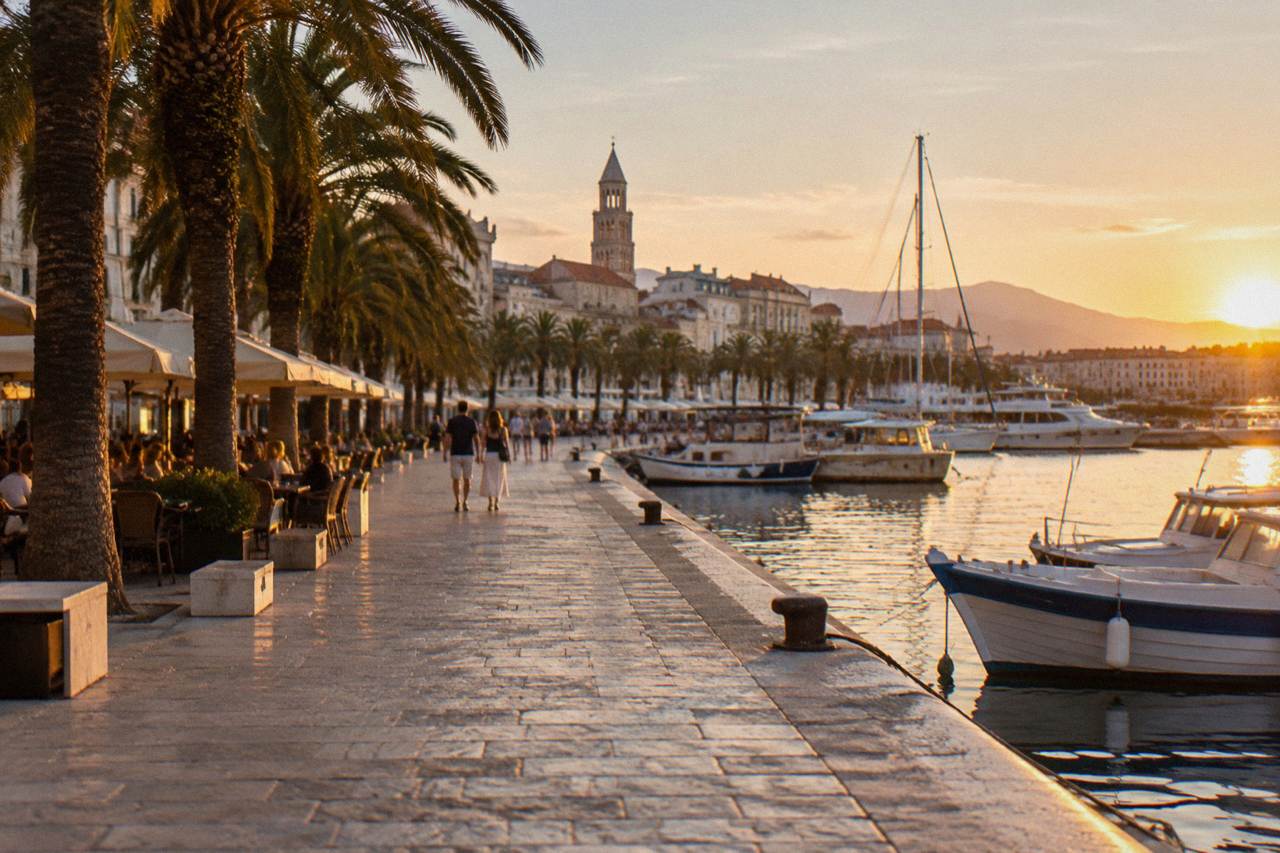
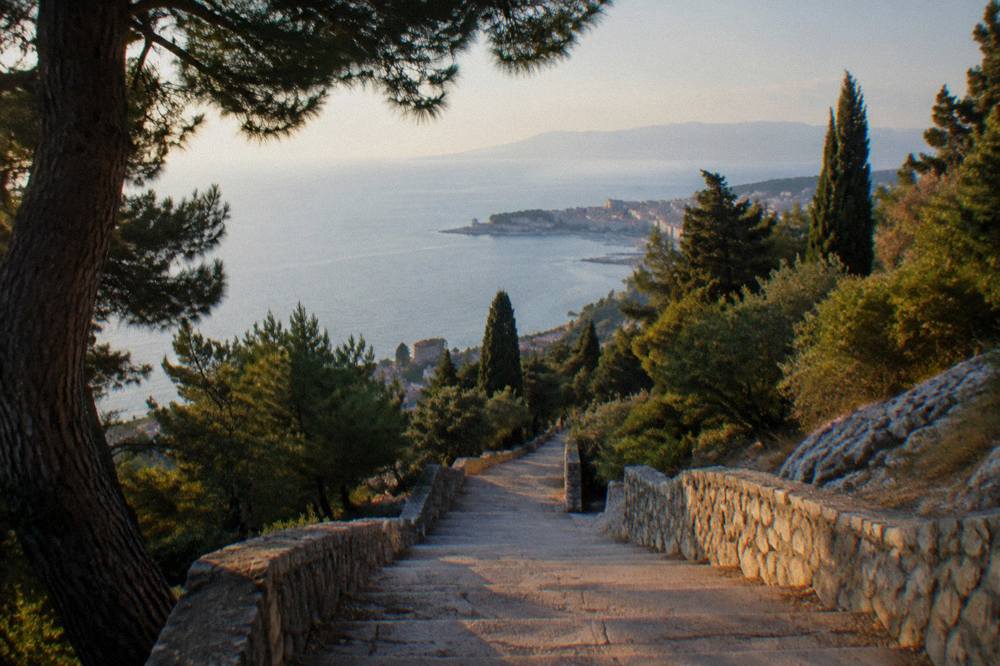
Afternoon belongs to Marjan. The park-forest peninsula west of the centre is 3.5 km long and 1.5 km wide, its highest point Telegrin at 178 m, and the Marjan hill page details the trail network. The 819 steps from Trumbićeva obala are the classic route; the view from the top takes in the islands of Šolta, Brač and beyond. Finish on the Riva, the waterfront promenade, with one planning note: a renovation of its central section, about 3.5 to 4 million EUR, is planned from November 2026 for a little over a year, so partial closures should be expected through 2027.
Which Day Trip Should Day Two Be?
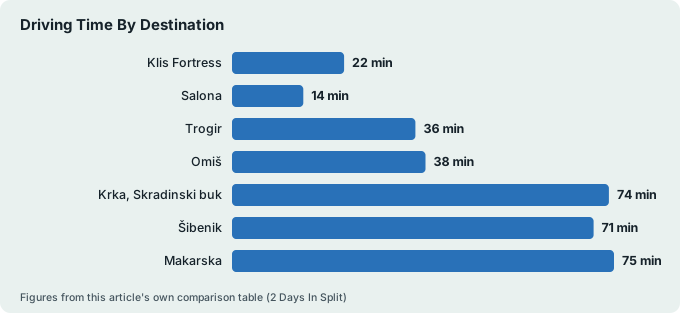
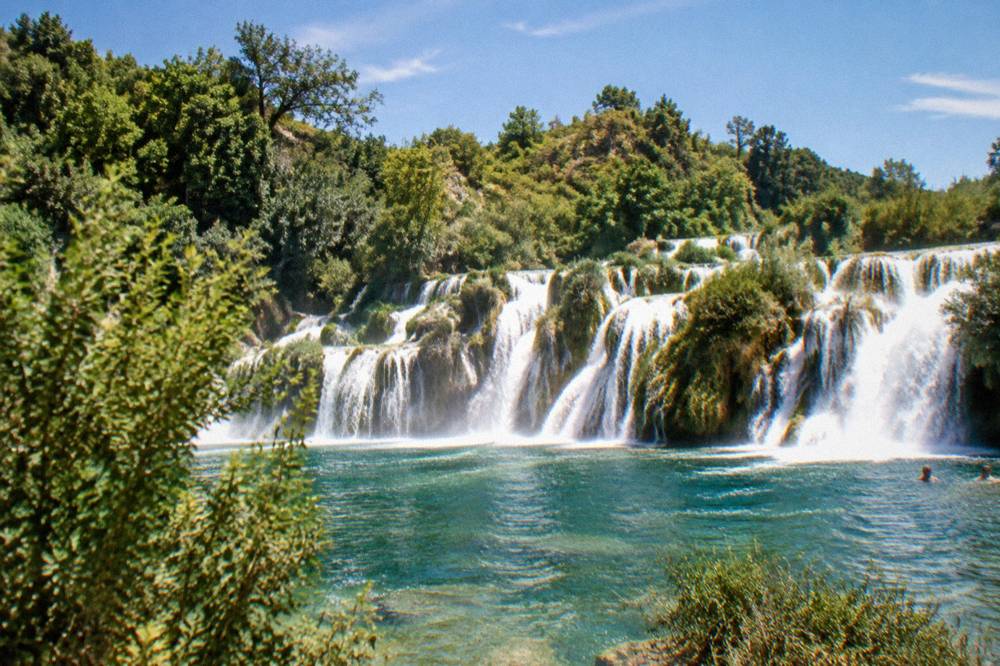
Day two should be one excursion only, chosen from four realistic options: Krka National Park, about 74 minutes' drive to Skradinski buk; Mostar and Kravice waterfalls in Bosnia and Herzegovina, about 2 hours 13 by road; a Hvar or Blue Cave speedboat trip, 10 to 12 hours door to door; or Klis Fortress, only 22 minutes from the palace. Krka charges 40 EUR in summer and 20 EUR in October, and the Blue Cave entrance is 24 EUR in high season, paid in cash on site.
Driving times are computed free-flow from the palace, so allow more in July and August. Here is the realistic range from Split:
| Destination | Driving time | Entry cost 2026 |
|---|---|---|
| Klis Fortress | 22 min | 10 EUR |
| Salona | 14 min | 10 EUR combined with Archaeological Museum |
| Trogir | 36 min | Cathedral price not published, confirm on site |
| Omiš | 38 min | Mirabela fortress 4 EUR, 6 EUR in summer |
| Krka, Skradinski buk | 74 min | 40 EUR Jun to Sep, 20 EUR Apr, May, Oct, 7 EUR winter |
| Šibenik | 71 min | Cathedral exterior free |
| Makarska | 75 min | Beach and promenade free |
| Mostar | 2 h 13 | Old Bridge area free |
| Plitvice Lakes | 3 h 15 | 40 EUR Jun to Sep, 23 EUR Apr, May, Oct, 10 EUR winter |
Two of these work badly as self-drive trips. Plitvice, at 3 h 15 each way, eats a two-day visit alive unless the whole second day is committed, and it now requires timed online entry with the visitor's name on the ticket. Mostar sits across a border, and while Croatia has been in the Schengen area since 1 January 2023, Bosnia and Herzegovina has not, so passports come out and coach traffic can slow the crossing badly in high summer. Organised small-group tours absorb both problems, which is why the excursion operators dominate day two for short visits.
The trio below is a fair cross-section of what day two can be: a Mostar and Kravice excursion, a Cetina rafting morning out of Omiš, and a sunset visit to Klis Fortress that fits an evening rather than a whole day.
If day two should stay in Croatia and on the water, the island options change the arithmetic. Hvar town is reached by catamaran, about 10.00 EUR on foot in season per the Jadrolinija-derived fares, while Stari Grad on the same island takes the car ferry on line 635, roughly 120 minutes, with foot passengers at 8.40 EUR in season and 5.90 EUR off-season. Do not confuse the two: the ferry does not reach Hvar town. Brač's Supetar is about 50 minutes on line 631, which from 2026 runs with no off-season timetable at all, and Šolta's Rogač about 60 minutes. The day trips from Split planning pages carry the details for each.
The Mostar and Kravice trip is the one this site features for day two, and the reason is simple geometry: it bundles a UNESCO-listed old bridge area, the Kravice waterfalls and a border crossing into a single guided day, all of which are genuinely awkward to stack independently in one morning. Klis Fortress, a Game of Thrones Meereen location 22 minutes away, also pairs well with a light morning in town if a full excursion feels like too much. Check availability on the operator's live listing if the Bosnia route appeals.
Where Should You Eat And Swim On A Two-Day Visit?
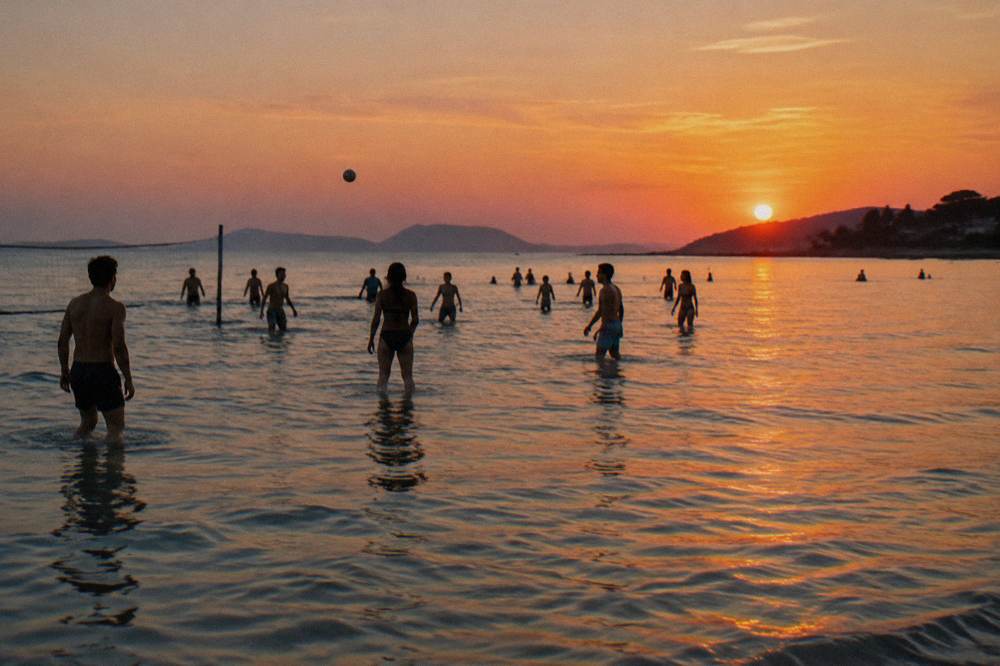
Eat at the green market on day one morning and along the west-coast beaches in the evening, and swim at Bačvice, the sandy city beach 10 minutes on foot from the palace, or Kašjuni below Marjan, reached by road or on foot. Picigin, the shallow-water ball game born on Bačvice in 1908, is protected intangible heritage of Croatia and is played there at sunset; all Split city beaches are free, and the Peristyle, Riva and Marjan cost nothing either.
The Split green market sits just north of the palace walls and sets the rhythm of the morning; stalls are at their fullest early. For restaurant planning, the site's where locals eat coverage and the food guide carry the detail, and the honest check on any menu is mechanical: posted prices outside, an itemised bill, cover charge shown on the menu. Seafood by the kilo is priced by the kilo, so ask the weight before it is cooked.
Swimming needs no ticket and no car. Bačvice is sandy and shallow, which is exactly why picigin works there; Žnjan on the east side is a concrete-and-gravel alternative, and Kašjuni on the south face of Marjan is the calmest of the three when the mistral blows. The live sea reading matters more than any monthly average because no official monthly sea-temperature normal exists; the DHMZ live feed gave 20.4 C at Split on the morning of 12 October 2026, a figure to check on the day rather than assume.
For a swim with adrenaline attached, the Cetina river out of Omiš, 38 minutes away, is the adventure option: rafting trips run the canyon with cliff jumps and cave stops, and the town's Mirabela fortress charges 4 EUR, rising to 6 EUR from 1 June to 30 September.
How Much Does Two Days In Split Cost?
Two days cost roughly 25 to 40 EUR per person in attraction tickets if you take the cellars, the City Museum, the cathedral complex and one viewpoint, plus 40 EUR for a summer Krka entry or 10 EUR for Klis Fortress if day two stays on land, plus about 2.65 EUR per night in tourist tax collected by your accommodation. Ferries add 8.40 EUR on foot to Stari Grad in season, and the Platanus airport shuttle is 10 EUR one way, 15 EUR return.
What is fixed and publishable is the attraction layer, and it is cheap by western European standards. The tourist tax is the one recurring line people forget: about 2.65 EUR per person per night in high season, 1 April to 30 September, with under-12s free and 12 to 18 at half rate, collected by the accommodation and confirmed at booking.
| Cost item | Amount | Note |
|---|---|---|
| Tourist tax | about 2.65 EUR per night | High season, collected by accommodation |
| Platanus airport shuttle | 10 EUR one way, 15 EUR return | Airport to main bus station |
| Ferry line 635, foot passenger | 5.90 EUR off-season, 8.40 EUR in season | Split to Stari Grad, about 120 min |
| Catamaran to Hvar or Jelsa | 6.40 EUR low, 10.00 EUR high | Per the Jadrolinija-derived fares |
| Krka entry, summer | 40 EUR | Includes Skradin boat and Lozovac bus |
| Klis Fortress | 10 EUR | Children 3 EUR |
One warning that carries a fine: drinking alcohol in the historic centre, outside licensed terraces, is fined 300 EUR, as are urinating, climbing on monuments and bathing in fountains; sleeping in public spaces carries 150 EUR. Walking the old town in swimwear or shirtless is also an offence, though the amount is set locally and no official figure is published, so the safe rule is simply to cover up before leaving the beach. Shops in the historic core face a night-time retail alcohol sales ban from 21:00 to 06:00 in the summer season, while bars and restaurants are unaffected.
What If It Rains Or You Have Children With You?
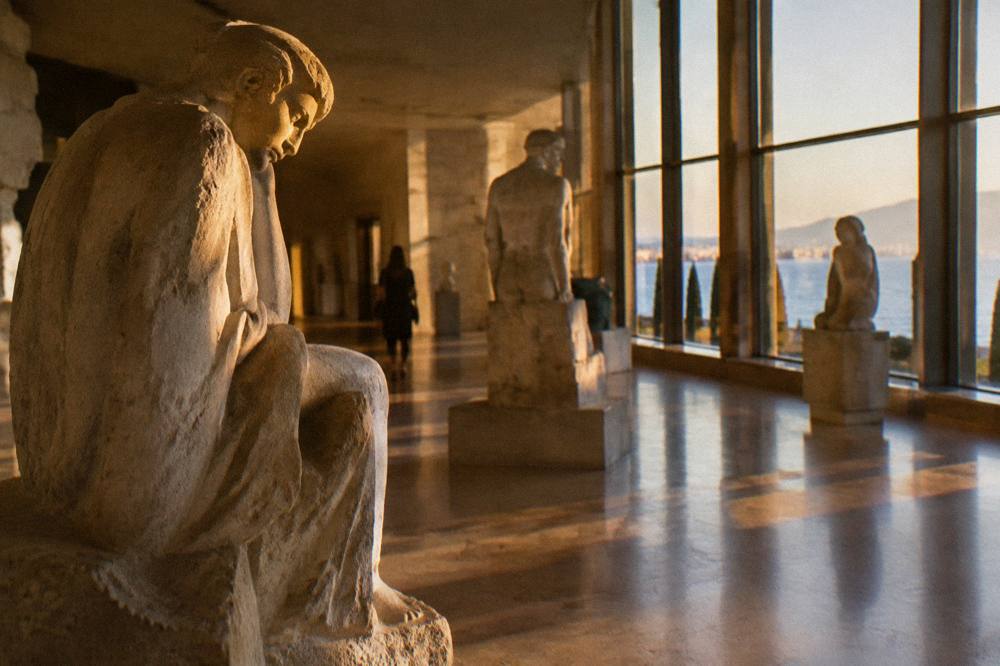
Rain days reroute into the museums, which together hold more than a full day: the Split City Museum at 10 EUR, the cellars at 10 EUR, the Archaeological Museum at 8 EUR with Salona combined, the Ethnographic Museum at 7 EUR and the reopened Meštrović Gallery at 12 EUR, which reopened in April 2026 after a 15-month renovation. Families with children should follow the Bačvice-and-palace pattern and the dedicated Split with kids itinerary rather than a border crossing.
Split's rainfall is concentrated late in the year: the DHMZ Split-Marjan table, 1948 to 2024, makes November the wettest month at 115.5 mm and July the driest at 26.6 mm, with October at 77 mm. A two-day visit outside summer has a real chance of a wet afternoon, and the museum layer absorbs it. The Meštrović Gallery deserves the slot: it reopened on 20 April 2026 after a 15-month energy renovation, the 12.00 EUR adult ticket includes the Crikvine-Kaštilac site, and its current exhibition on the Meštrović house runs to 9 October 2026. The rainy day in Split itinerary sequences all of this.
For families, the geometry of the city is the argument: sandy Bačvice, a car-free old town, the noon guard change on the Peristyle in season and ice cream within fifty metres of everything. The Split with kids plan formalises it. Cruise passengers docking for a single day have a tighter version again on the Split cruise port day page, which shows how much of day one's route fits into six hours.
What Time Of Year Works Best For A Two-Day Visit?
The best months for two days in Split are May, June and September, when the DHMZ Split-Marjan means run 19.2 C, 23.4 C and 21.6 C, rainfall stays between 49 and 70.9 mm, and the July-August peak of 26.2 C and 25.9 C with 18 and 17 days at 30 C or more has passed. July and August also carry the full 40 EUR Krka and Plitvice entry prices, which drop to 20 EUR and 23 EUR in October.
The seasonal price drop is a real saving, not a rounding error: from 1 October 2026 Krka falls to 20 EUR and Plitvice to 23 EUR, and both parks publish these figures on their own price lists. The sea stays swimmable well into autumn, though no official monthly sea-temperature normal exists, so check the live DHMZ reading before packing a towel. The two-day shape is unchanged outside summer except that the noon guard change on the Peristyle, which ran 28 May to 27 September 2026, does not run, and Advent in Split, from 27 November 2026 to 7 January 2027 with the Đardin ice rink, replaces the beach hours entirely.
Event dates can swing the choice of weekend. Ultra Europe runs 9 to 11 July 2027 at Park Mladeži, when the city is loud and full; Sudamja, the city day for St Domnius, falls on 7 May; the Croatian National Theatre season runs 25 September 2026 to 14 June 2027. Anyone torn between a second day here and a second day further along the coast can weigh the Split or Dubrovnik comparison honestly: Dubrovnik is 3 h 21 away by road, about 4 h by coach, which is why the day trips model of one excursion per two-day visit holds.
Can You Do Day Two Without A Tour At All?
Yes, day two works independently: take the 8:40-season ferry to Stari Grad or the catamaran to Hvar town for an island day, drive 22 minutes to Klis Fortress at 10 EUR, or combine Salona at 10 EUR combined ticket with Trogir at 36 minutes by road, all without any booking platform. The one exception is the Blue Cave, where the entrance fee of 24 EUR in high season is paid in cash on site and access depends on boat conditions on the day.
Independent day two is often the better call for a slow visit. Salona's Roman ruins, combined with the Archaeological Museum at 10 EUR within 7 days, sit 14 minutes from the palace, and Trogir, a UNESCO town since 1997 on its own small island, is 36 minutes further; the two stack naturally with a lunch stop. Klis Fortress at 10 EUR caps the day with the best inland view of Split and the whole Kaštela bay.
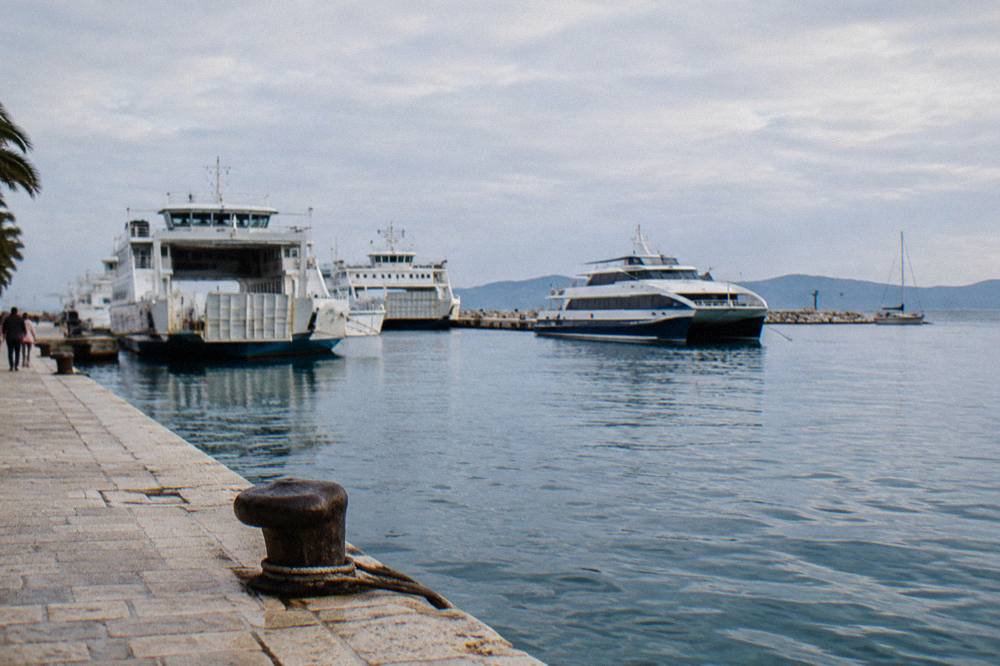
The island version needs precision about ports, which is where independent plans go wrong. Hvar town takes catamarans only; Stari Grad takes the car ferry on line 635, about 120 minutes; Supetar on Brač is about 50 minutes on line 631; Rogač on Šolta is about 60 minutes; Vis is about 140 minutes. Foot passengers pay 5.90 EUR off-season and 8.40 EUR in season on line 635, per Jadrolinija's published fare PDF. If you would rather someone else handle the boats, the Blue Lagoon and island cruises run daily, and the sunset Klis option above leaves day two's morning free.
Common Questions About Two Days In Split
Is 2 days in Split enough?
Two days covers the palace, cathedral, cellars, Riva, Marjan hill and Bačvice beach, plus one full-day excursion such as Krka, Mostar, Hvar or the Blue Cave. It is not enough for two excursions or for a relaxed add-on to Dubrovnik, which is 3 h 21 away by road.
What is the best day trip from Split for the second day?
Krka National Park, about 74 minutes' drive, is the easiest, with entry at 40 EUR in summer and 20 EUR in October. Mostar and Kravice, about 2 h 13 away, offer the most contrast but cross a non-Schengen border. Klis Fortress, 22 minutes away at 10 EUR, suits a lighter day.
Do you need to book Diocletian's Palace to visit Split?
No. The palace streets, the Peristyle, the Golden Gate and the Riva are free public space. Only the substructures, the cathedral complex and the museums are ticketed, at 10 EUR for the cellars and from about 5 EUR for the cathedral, with combined tickets up to about 15 EUR.
Can you swim in Split on a short visit?
Yes. Bačvice, the sandy city beach about 10 minutes on foot from the palace, and Kašjuni below Marjan are free and close. No official monthly sea-temperature normal exists, so check the live DHMZ Split reading; it showed 20.4 C on the morning of 12 October 2026.
How do you get from Split Airport to the Old Town?
The airport sits 20 km from Split in Kaštel Štafilić. The Platanus shuttle runs to the main bus station by the ferry port at 10 EUR one way and 15 EUR return, and city bus lines 37 and 38 also stop at the airport; the station is 500 to 600 m from the palace.
What should you not do in the Split Old Town?
Drinking alcohol outside licensed terraces in the historic centre is fined 300 EUR, as are urinating, climbing on monuments and bathing in fountains. Walking in swimwear or shirtless is also an offence, with the amount set locally. Shops in the historic core cannot sell alcohol at night during the summer season.
Two days in Split, planned this way, gives you the whole palace, a hill, a beach, a market and one genuine excursion, and it leaves the Split Croatia Travel Guide day-trip and island pages waiting for the return trip you will already be plotting on the ferry home.
