Day Trips From Split
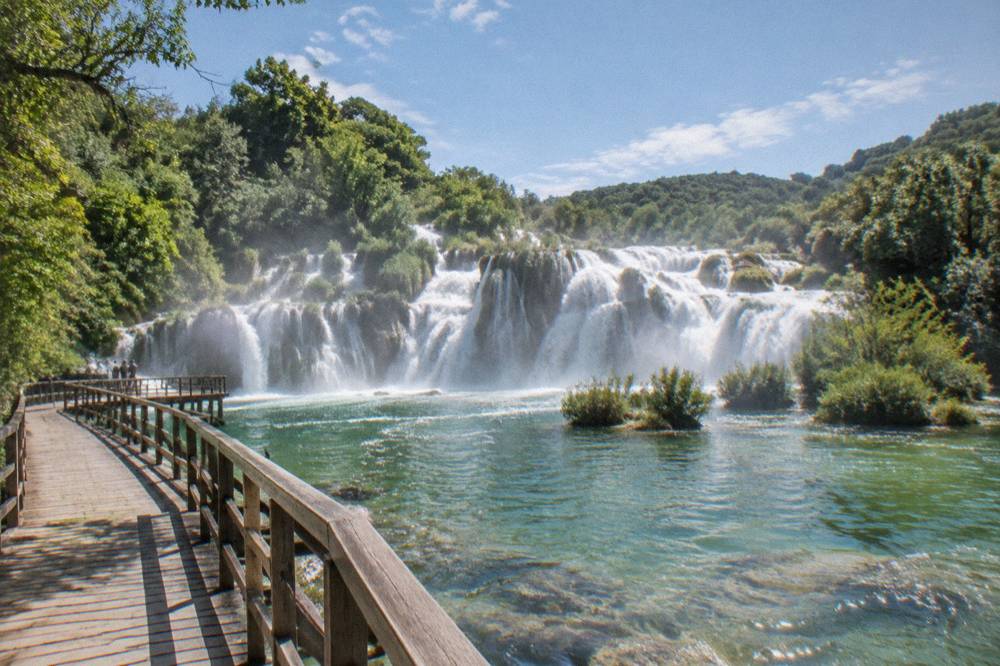
Split sits at the centre of Dalmatia, which makes it the best base in the region for day trips: waterfalls, two national parks, UNESCO towns and four islands all sit within a few hours of Diocletian's Palace.
Short answer
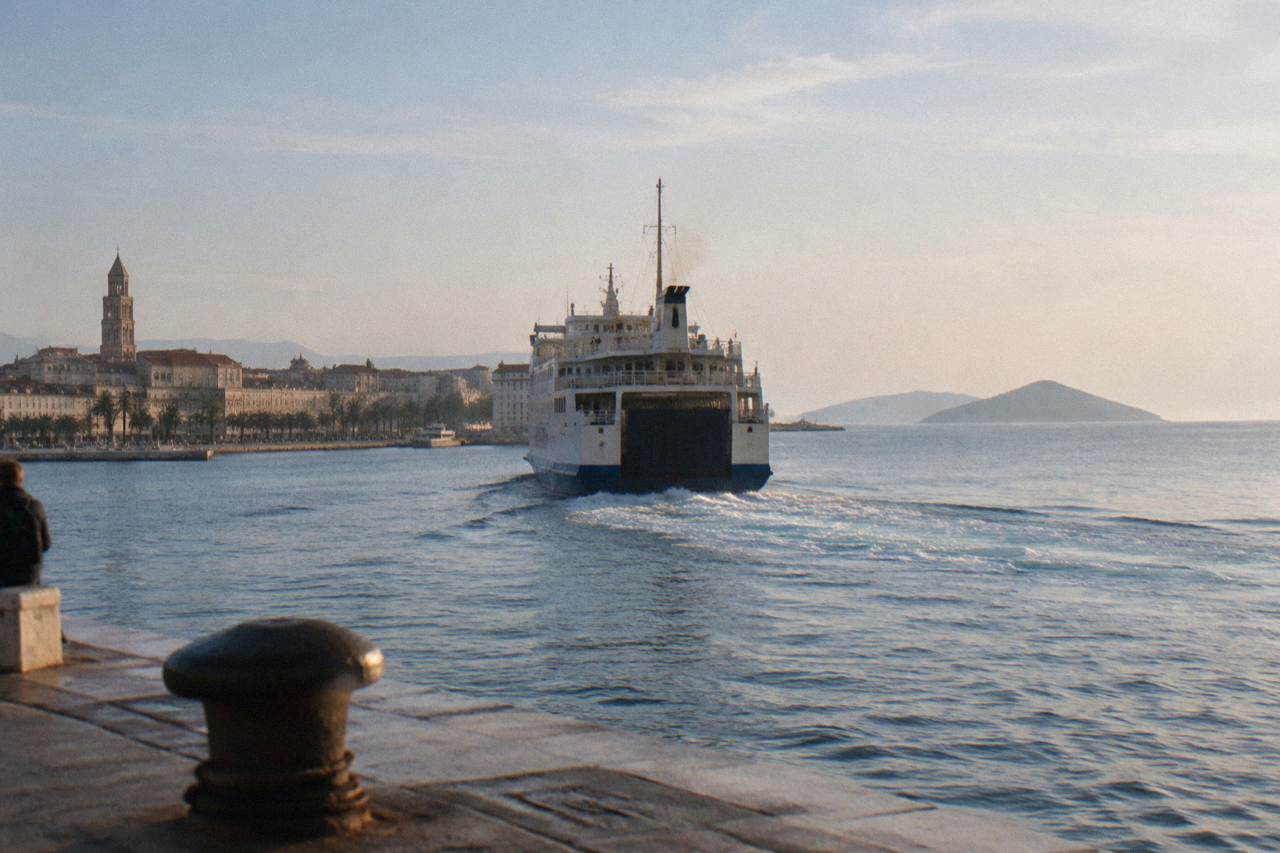
The strongest day trips from Split are Krka National Park (about 74 minutes by road), Trogir (36 minutes), Salona (14 minutes), the islands of Hvar, Brač, Šolta and Vis by ferry or catamaran, Plitvice Lakes (about 3 h 15), Mostar (about 2 h 13) and Dubrovnik (about 3 h 21), all starting from the port and bus hub 500 to 600 m from the palace.
Split is a coastal city in central Dalmatia, on the Adriatic Sea, and its position does the planning for you: the ferry port, the main bus station and the railway station sit together on Obala kneza Domagoja, 500 to 600 m from Diocletian's Palace. Every day trip in this guide starts from that hub. Some run by road to waterfalls and walled towns, others by boat to islands that appear on the horizon from the Riva. This page lays out each option with the driving times, ferry crossings and ticket prices the sources publish, so a stay of any length can be turned into a wider tour of Dalmatia and beyond.
What Are The Best Day Trips From Split?
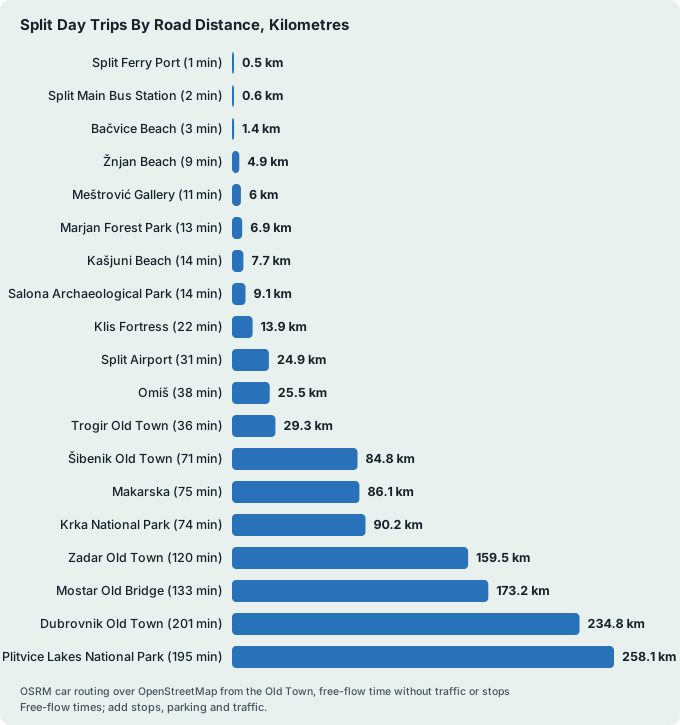
The best day trips from Split split into three rings: close sights under 40 minutes by road (Salona at 14 minutes, Klis at 22, Trogir at 36), island crossings by ferry or catamaran (Brač about 50 minutes, Šolta about 60, Hvar about 120, Vis about 140), and full-day runs to Krka at 74 minutes, Mostar at about 2 h 13, Plitvice at about 3 h 15 and Dubrovnik at about 3 h 21. Times are free-flow driving from the palace.
Those distances are the whole argument for basing a trip in Split rather than in a smaller town. Few cities of 160,577 people (2021 census) put two national parks, four inhabited islands, three UNESCO-listed sites and a second country within one travel day. The trade-off is organisation: the big-hitters sell out in July and August, and the islands depend on ferry timetables that change with the season.
The table below is the planning grid. Driving times come from free-flow routing from Diocletian's Palace; ferries run from the port.
| Day trip | How you get there | Time from the palace | Entry or fare (2026) |
|---|---|---|---|
| Salona | Road | 14 min | 10 EUR combined with the Archaeological Museum, within 7 days |
| Klis Fortress | Road | 22 min | 10 EUR adults |
| Trogir | Road | 36 min | Old town free; cathedral price not published here |
| Omiš | Road | 38 min | Mirabela fortress 4 EUR, 6 EUR from 1 June to 30 September |
| Brač (Supetar) | Ferry, line 631 | About 50 min | Foot passenger fares on the operator's price list |
| Šolta (Rogač) | Ferry, line 636 | About 60 min | Foot passenger fares on the operator's price list |
| Krka National Park | Road | 74 min | 7 / 20 / 40 EUR by season |
| Šibenik | Road | 71 min | Free to walk; cathedral price not published here |
| Hvar (Stari Grad) | Ferry, line 635 | About 120 min | 5.90 EUR off-season, 8.40 EUR in season, foot passenger |
| Vis | Ferry | About 140 min | Ferry fares on the operator's price list |
| Mostar | Road, border into Bosnia and Herzegovina | 2 h 13 | Old Bridge area free |
| Zadar | Road | 2 h | Old town free |
| Plitvice Lakes | Road | 3 h 15 | 10 / 23 / 40 EUR by season |
| Dubrovnik | Road | 3 h 21 | City walls 40 EUR (2026, secondary source) |
One planning note that changes itineraries: catamarans and car ferries are not the same thing. Stari Grad on Hvar is the car-ferry port; Hvar town itself is reached by catamaran. Confusing the two strands a day, so the ferry and catamaran guide is worth a read before booking anything.
Is Krka National Park The Easiest Big Day Trip From Split?
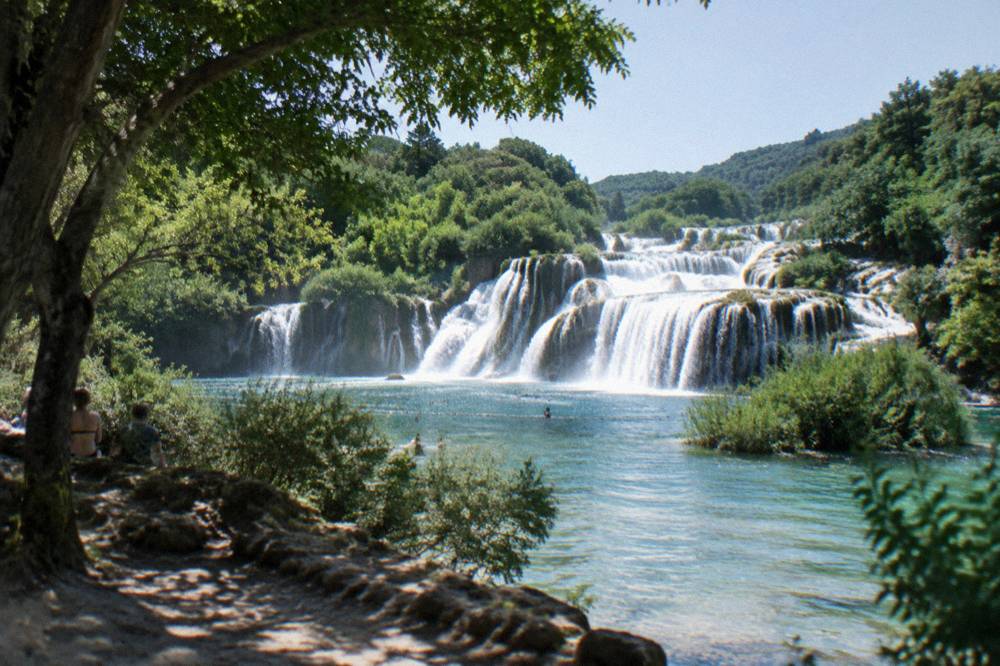
Krka is the closest big-hitter to Split: about 74 minutes of free-flow driving from Diocletian's Palace, or a guided coach transfer, with adult entry at 40 EUR in June to September, 20 EUR in April, May and October, and 7 EUR from January to March and in November to December. The ticket includes the Skradin boat and the Lozovac bus transfers from 1 April to 31 October.
The price list matters more here than anywhere else on this page, because "Krka costs 40 EUR" is only true for a third of the year. The Krka price list on the park's own tariff runs 7 EUR in the deep winter months, 20 EUR across the shoulder months and 40 EUR across the summer. A September 28 departure and an October 2 departure are four days apart and pay different rates.
The rule that catches people out is swimming. The park's own rules page states swimming is allowed only in clearly marked swimming areas, with designated spots reported at Roški slap, Stinice and Pisak, open 1 June to 30 September. Skradinski buk, the waterfall every photograph shows, is not a swimming spot under those rules. The same page permits everything else a day trip needs: walkways, boat transfers and viewing decks.
Guided trips from Split bundle the transfer and leave the ticket handling to the operator, and the related trip on this site is the one that pairs the park with a boat cruise and swimming time on the coast. For more on the park itself, see the Krka guide.
Is Plitvice Lakes Worth The Long Drive From Split?
Plitvice Lakes is the longest day trip on this list at about 3 h 15 each way by road, but it is Croatia's largest national park and a UNESCO-listed one, with adult entry at 40 EUR from 1 June to 30 September, 23 EUR in April, May and October and 10 EUR from 1 January to 31 March and in November to December. A 25 EUR afternoon slot applies in peak season.
The park sells timed entry online, and the visitor's name goes on the ticket. That system is the reason a day trip from Split needs booking discipline: turning up in July without a timed slot risks a long wait or no entry at all. The afternoon slot at 25 EUR in peak season is the workaround for late risers, since it prices the second half of the day.
The drive itself is the cost. Three and a quarter hours each way means the coach leaves Split early and returns late, and there is no train option for this route. Against that stands a chain of lakes and waterfalls that holds its UNESCO listing in its own right, not as part of a city ensemble. Guided tours handle the transfer and, on the version with entry tickets included, the timed entry too.
Can You Combine Trogir, Salona And Klis In One Day From Split?
Yes, because all three sit inside a 36-minute drive of the palace: Salona is 9.1 km away, Klis Fortress 13.9 km and Trogir 29.3 km, so a single loop by car or a combined coach tour can cover the Roman ruins, the hill fortress and the UNESCO old town in one day, with entry at 10 EUR combined for Salona with the Archaeological Museum, 10 EUR at Klis and free streets in Trogir.
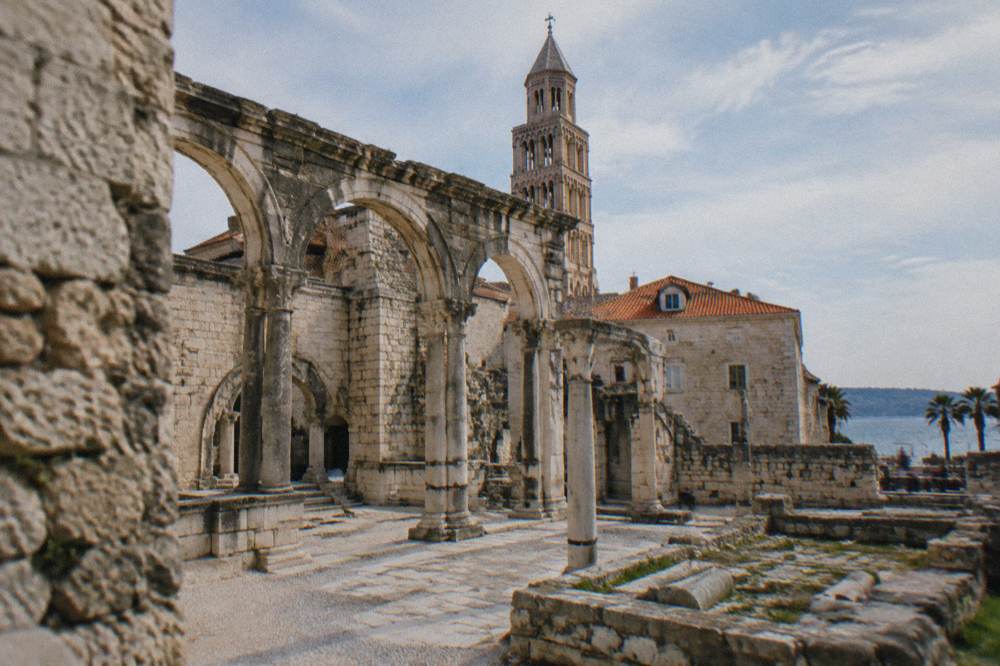
Salona was the Roman capital of the province, and its ruins are run by the Archaeological Museum in Split. The armus price list, effective 7 January 2026, prices adults at 8 EUR for the museum alone and 10 EUR for the combined museum-plus-Salona ticket, valid within 7 days. That combined ticket suits anyone doing the museum in Split one day and the ruins another, within the same week.
Klis Fortress holds the ridge above the city and was a filming location for Meereen in Game of Thrones, which is as far as the filming detail goes. The visitsplit tariff prices adults at 10 EUR, with the site open daily 9:00 to 17:00. Trogir needs no ticket at all to walk: its old town has been on the UNESCO list since 1997, and its cathedral price is one to confirm on site, since no official figure is published here. For a fuller treatment, the Trogir day-trip page covers the town in depth.
| Close-range sight | Distance from the palace | Free-flow drive | Adult entry 2026 |
|---|---|---|---|
| Salona | 9.1 km | 14 min | 8 EUR, or 10 EUR combined with the museum |
| Klis Fortress | 13.9 km | 22 min | 10 EUR |
| Trogir | 29.3 km | 36 min | Streets free; cathedral price confirm on site |
| Omiš | 25.5 km | 38 min | Mirabela 4 EUR, 6 EUR from 1 June to 30 September |
Which Islands Can You Day Trip To From Split?
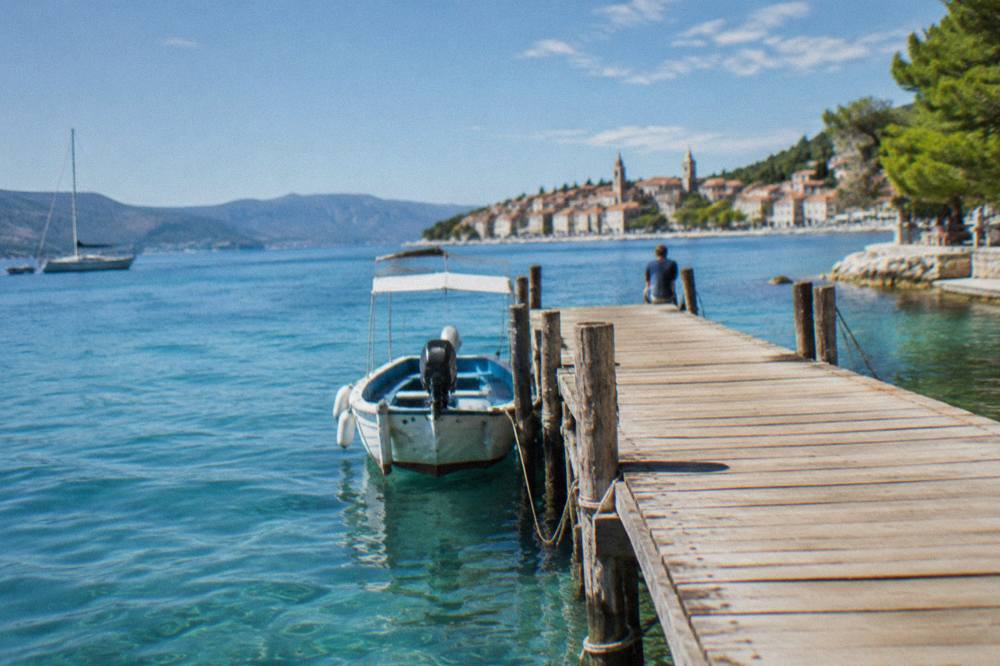
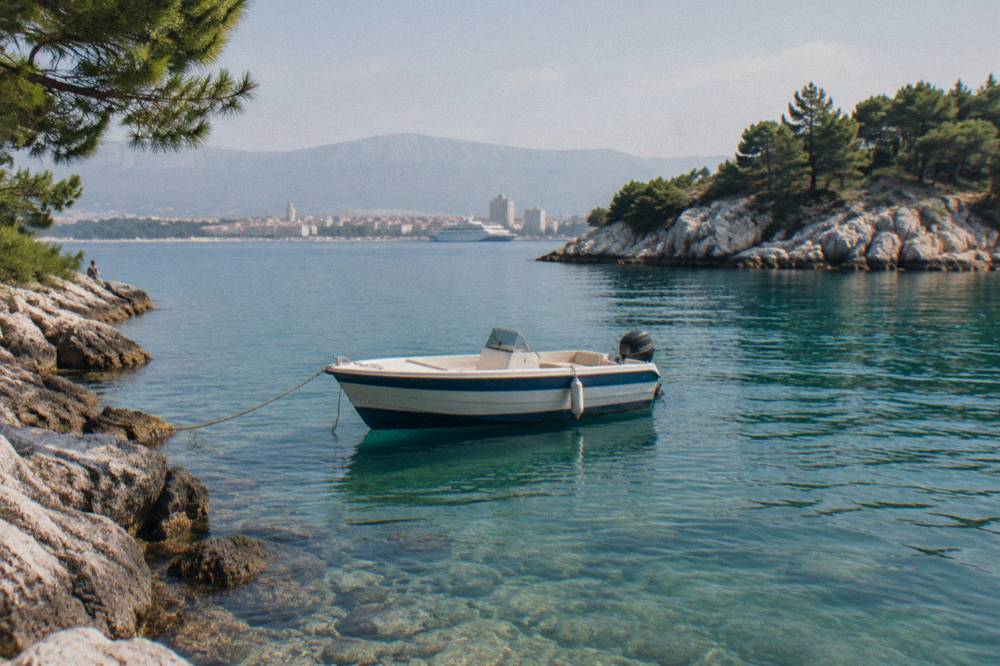
Four islands sit on regular lines from Split: Brač at about 50 minutes by ferry to Supetar, Šolta at about 60 minutes to Rogač, Hvar at about 120 minutes by car ferry to Stari Grad or faster by catamaran, and Vis at about 140 minutes. A foot passenger on the line 635 ferry to Stari Grad pays 5.90 EUR off-season and 8.40 EUR in season, and catamarans run 6.40 to 10.00 EUR to Hvar or Jelsa.
The island to watch for changes is Brač. From 2026 the Split to Supetar line dropped its off-season timetable and runs only high-season and low-season schedules, the fifth Croatian line to do so, with departures aligned to bus schedules. That means more sailings year-round, and it is one of the quiet changes in the 2026 Jadrolinija timetable.
Vis is the commitment: about 140 minutes each way by ferry, which turns it into an early-start day. Hvar splits its traffic between Stari Grad, the car-ferry port, and Hvar town, the catamaran port. The Hvar day-trip page and the Split to Hvar ferry guide cover the two routes in detail.
For a half-day alternative to a full island crossing, the Blue Lagoon and Šolta runs pack a swim stop, an island lunch and a return to Split by mid afternoon, and the small-group speedboat version keeps the numbers low.
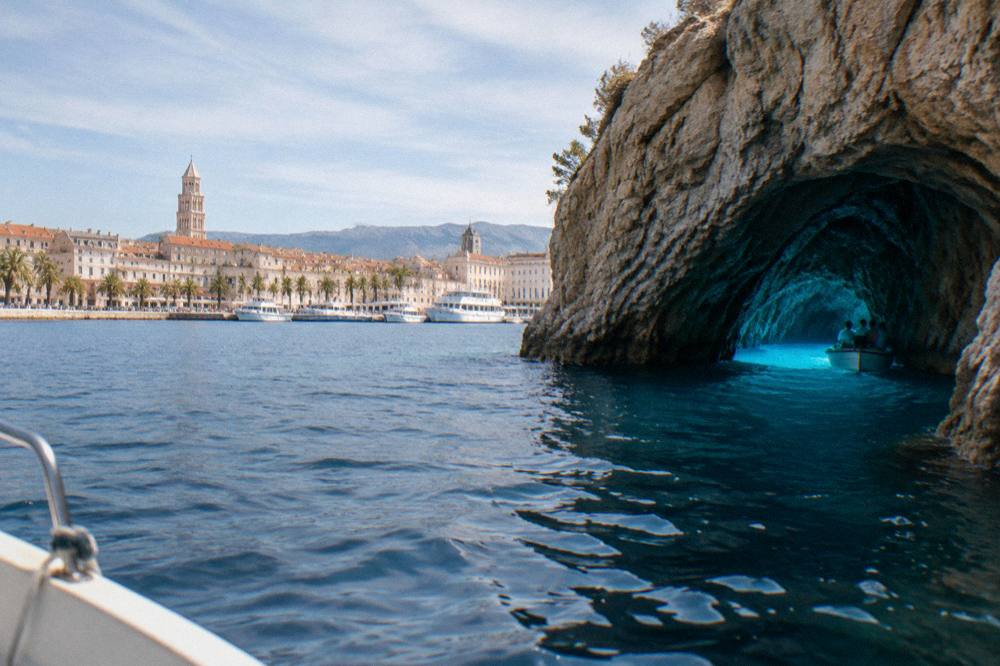
Is The Blue Cave And Hvar Boat Trip Worth It From Split?
The Blue Cave on Biševo, usually combined with Hvar and several island stops, costs 24 EUR per adult to enter in high season, 20 June to 10 September, and 18 EUR in shoulder season, paid in cash on the boat's arrival, on top of the trip fare. The crossing runs to Vis and Biševo offshore, and Hvar's Fortica fortress is 12 EUR with hours of 9:00 to 20:00 if the itinerary stops in Hvar town.
This is the marquee boat day from Split, and its constraints are physical rather than administrative. The cave entrance depends on sea conditions on the day, and the entry fee is collected in cash on site. Hvar town itself is a catamaran destination, not a car-ferry one, so independent travellers pair a catamaran out with a catamaran back and keep to the timetable.
The Blue Cave and Vis guide covers the cave's seasonality and the Vis crossing in detail, and the wider boat tours guide compares the cruise, speedboat and small-group formats.
What Adventure Day Trips Start From Split?
The adventure base is the Cetina river canyon behind Omiš, 25.5 km and about 38 minutes from the palace, where operators run rafting, canyoning, zip lines above the canyon and cliff jumping, and Mirabela fortress in Omiš town charges 4 EUR to climb, 6 EUR from 1 June to 30 September. The river reaches the sea right at the town beach, so a canyon morning and a swim afternoon fit into one day.
Omiš is the closest thing Split has to an inland playground. The Cetina cuts a canyon through the mountains behind the town, and the zip lines run above it. Klis Fortress adds a second dimension for anyone who wants history with their views, and the sunset tours there pair a fortress walk with the light over the channel toward the islands.
For trip formats, the trips from Split include rafting trips with cliff jumps and cave visits, zip-line packages with optional transport from the city, and canyoning on the Cetina's steeper sections. Product prices and durations sit on each listing rather than on this page. The Omiš and Cetina guide covers the independent version, including the drive and the fortress.
| Adventure day trip from Split | Where it runs | Free-flow drive from the palace |
|---|---|---|
| Rafting and cliff jumping | Cetina river, Omiš | 38 min |
| Zip line over the canyon | Cetina canyon, Omiš | 38 min |
| Canyoning | Cetina river gorge | 38 min |
| Sea kayaking | Split coastline and Marjan | Starts in the city |
| Fortress sunset tour | Klis Fortress ridge | 22 min |
Are Mostar And Dubrovnik Realistic Day Trips From Split?
Mostar is about 2 h 13 each way by road across the border into Bosnia and Herzegovina, and Dubrovnik is about 3 h 21, with the coach to Dubrovnik taking about 4 h. Both are long days, but both are routine: Mostar's Old Bridge Area has been UNESCO-listed since 2005 with the bridge rebuilt in 2004, and Dubrovnik's city walls cost 40 EUR in 2026 per a secondary ticketing source.
The Mostar day needs a passport. Croatia is in the Schengen area and Bosnia and Herzegovina is not, so the border is a real external crossing, with the EES biometric system fully operational since 10 April 2026. Non-EU visitors should carry the passport they entered on, and EU identity cards work under Schengen rules. Tour operators building Mostar runs usually add Počitelj and the Kravice waterfalls, and the combined trips leave very early.
To let someone else handle the border and the long drive, book a Mostar and Kravice day trip here.
Dubrovnik is the classic debate: the drive is each way longer than the time most itineraries give the walls. The coach at about 4 h is slower than driving. Some travellers take the day trip, others overnight, and the Split or Dubrovnik comparison lays out the trade-offs, with the Dubrovnik day-trip page covering the walls ticket and the old town.
When Is The Best Season For Day Trips From Split?
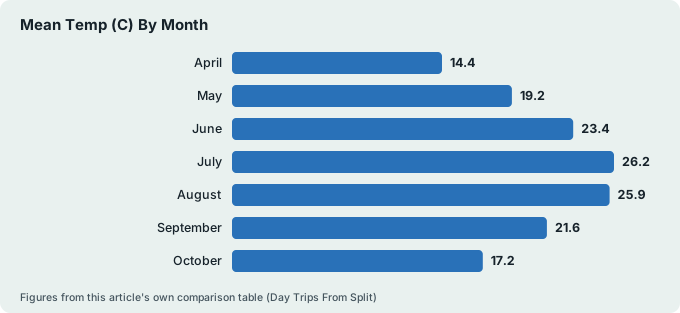
The strongest months are May, June and September: the DHMZ Split-Marjan station table (1948 to 2024) gives mean temperatures of 19.2 C in May, 23.4 C in June and 21.6 C in September, with rainfall of 57.5, 49 and 70.9 mm, while July and August bring 18 and 17 days at 30 C or more respectively and the peak park prices of 40 EUR at Krka and Plitvice.
July and August are not wrong, they are just crowded and hot, and every price on this page sits at its top tier from 1 June to 30 September. October flips the economics: from 1 October 2026 Krka drops to 20 EUR and Plitvice to 23 EUR, and both fall again in November. The sea stays swimmable into autumn on the live readings, and November is the wettest month on the station table at 115.5 mm, so late autumn trades price for weather risk.
| Month | Mean temp (C) | Rain (mm) | Day-trip picture |
|---|---|---|---|
| April | 14.4 | 62 | Shoulder park prices at 20 EUR (Krka) and 23 EUR (Plitvice) |
| May | 19.2 | 57.5 | Warm, green, park price still 20 EUR at Krka |
| June | 23.4 | 49 | Peak prices from 1 June; 7 days at 30 C or more |
| July | 26.2 | 26.6 | Driest month; 18 days at 30 C or more; 40 EUR parks |
| August | 25.9 | 41.3 | 17 days at 30 C or more; peak season everywhere |
| September | 21.6 | 70.9 | Peak prices to 30 September, then shoulder rates |
| October | 17.2 | 77 | Krka 20 EUR, Plitvice 23 EUR from 1 October |
The fuller climate picture, including sunshine hours of 353.3 in July against 120.8 in December, sits on the Split weather guide, and the month-by-month trade-offs are on the best time to visit page.
Should You Rent A Car For Day Trips From Split Or Take Tours?
For Salona, Klis, Trogir and Omiš, a car is the efficient answer, with drives of 14 to 38 minutes and no ferry dependence; for Krka, Plitvice, Mostar and Dubrovnik, guided coaches and tours handle long drives, borders and timed park entry; and for the islands, ferries, catamarans and boat tours beat any car, since a vehicle adds little on Brač or Hvar day runs and complicates parking.
The car argument holds inside about 40 km of the palace. Beyond that, the daily driving gets long, parking at the far end is unknown territory this page does not price, and the parks want timed online entry with the visitor's name on the ticket, which tour operators handle as part of the package. Anyone weighing the car option should read the car rental guide first; rates and parking tariffs are not published here and should be confirmed at booking.
Ferries reward foot passengers. A line 635 foot crossing to Stari Grad costs 5.90 EUR off-season and 8.40 EUR in season, and catamarans price Hvar and Jelsa at 6.40 to 10.00 EUR and Vis at 7.20 to 10.00 EUR, which undercuts any vehicle-and-ticket bundle for solo travellers and pairs.
Whatever the mix, the starting point never changes: everything on this page leaves from the harbour and bus hub by Diocletian's Palace, and the one-day Split itinerary shows how to fold a city morning into a day-trip afternoon. The Split Croatia Travel Guide homepage collects the full set of attraction, island and transport pages for planning the rest of the stay.
Common Questions About Day Trips From Split
What is the closest day trip from Split?
Salona, the Roman site at Solin, is 9.1 km and about 14 minutes by road from Diocletian's Palace, with a combined ticket of 10 EUR covering the ruins and the Archaeological Museum within 7 days. Klis Fortress at 22 minutes and Trogir at 36 minutes follow it.
Can you visit Krka and Plitvice on the same day trip from Split?
No. Krka is about 74 minutes from the palace and Plitvice about 3 h 15, in different directions, and both are full-day visits in themselves. Split them across two days, or pick the closer one, Krka, if time is short.
Do you need a passport for the Mostar day trip from Split?
Yes, in practice. Croatia is in the Schengen area and Bosnia and Herzegovina is not, so the day crosses an external border with biometric checks under the EES, fully operational since 10 April 2026. Non-EU visitors should carry the passport they entered Croatia on.
Which island is the easiest day trip from Split?
Šolta is the shortest crossing at about 60 minutes by ferry to Rogač, and Brač is close behind at about 50 minutes to Supetar on a line that from 2026 runs year-round with no off-season timetable. Both work as relaxed day trips without an early start.
Can you do Hvar as a day trip from Split without a tour?
Yes. The car ferry runs to Stari Grad in about 120 minutes and catamarans run to Hvar town, with catamaran fares of 6.40 EUR low season and 10.00 EUR high season. The two ports are different towns, so match the boat to the destination.
When do Krka and Plitvice get cheaper?
From 1 October 2026 Krka's adult ticket is 20 EUR and Plitvice's is 23 EUR, falling to 7 EUR and 10 EUR respectively from November. The 40 EUR peak rate applies from 1 June to 30 September at both parks.